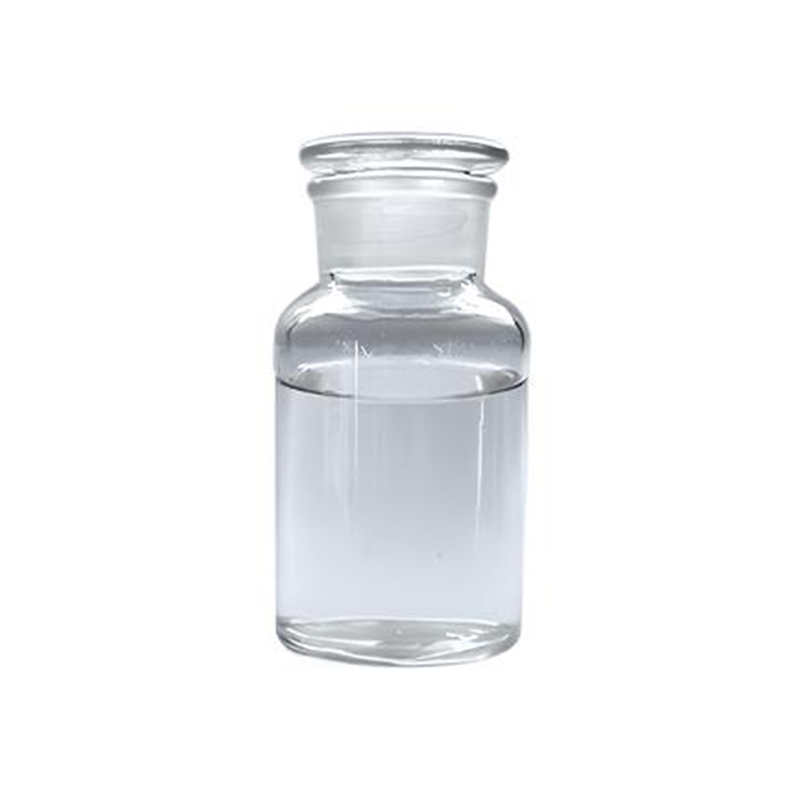
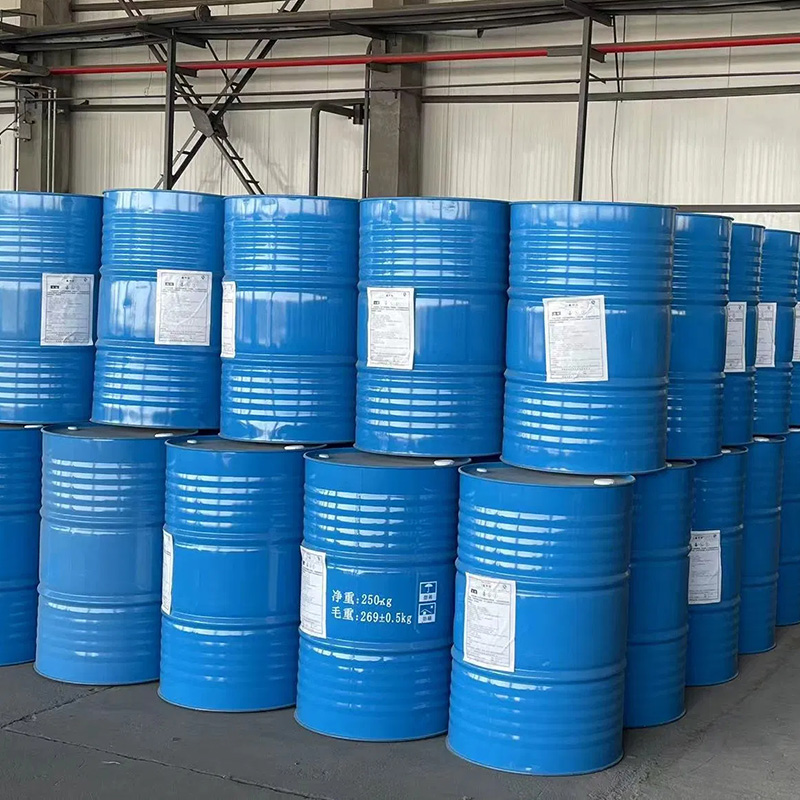
Polyethylene-polypropylene glycol CAS#9003-11-6
Highly effective nonionic surfactant for solubilizing hydrophobic molecules, including AM ester calcium indicators and potentiometric probes.
Enhances cellular uptake efficiency by facilitating the loading of fluorescent dyes and probes into various cell types.
Supplied as a convenient ready-to-use 10% aqueous solution, reducing preparation steps and improving laboratory efficiency.
Compatible with a wide range of ion indicators and experimental systems, offering flexibility for diverse cell-based assays and imaging applications.
Polyethylene-Polypropylene Glycol CAS#9003-11-6
Pluronic® F-127 is a nonionic surfactant widely used to solubilize hydrophobic compounds, including cell-permeable AM esters such as Fluo-4, Fluo-8 calcium indicators, and Di-4-ANEPS / Di-8-ANEPS potentiometric probes, while facilitating their efficient uptake into cells.
We supply Pluronic® F-127 as a ready-to-use 10% aqueous solution, providing convenience and reducing preparation time in laboratory applications.
A typical application involves using the 10% Pluronic® F-127 solution in water to assist in loading AM ester ion indicators and other fluorescent dyes into cells. The exact loading conditions may vary depending on the cell type and the specific compounds used.
Polyethylene-polypropylene glycol Chemical Properties
| Melting point | 57-61 °C |
| Boiling point | >200 °C(lit.) |
| bulk density | 1050kg/m3 |
| density | 1.095 g/mL at 25 °C |
| vapor density | >1 (vs air) |
| vapor pressure | <0.3 mm Hg ( 20 °C) |
| refractive index | n20/D 1.466 |
| Fp | >230 °F |
| storage temp. | 2-8°C |
| solubility | H2O: at <70 °Csoluble |
| form | solution |
| color | APHA: ≤120, 50/50 in CH3OH |
| PH | 5.0-7.5 (100g/L in H2O) |
| PH Range | 5.0 - 7.5 |
| biological source | synthetic |
| Water Solubility | Miscible with water. |
| λmax | λ: 260 nm Amax: ≤0.3 |
| λ: 280 nm Amax: ≤0..2 | |
| Merck | 137644 |
| Hydrophilic-Lipophilic Balance (HLB) | 18 - 23 |
| Cosmetics Ingredients Functions | SURFACTANT - CLEANSING |
| SURFACTANT - HYDROTROPE | |
| CLEANSING | |
| SOLVENT | |
| HUMECTANT | |
| EMULSION STABILISING | |
| BINDING | |
| SURFACTANT - EMULSIFYING | |
| VISCOSITY CONTROLLING | |
| InChI | 1S/C3H6O.C2H4O/c1-3-2-4-3;1-2-3-1/h3H,2H2,1H3;1-2H2 |
| InChIKey | RVGRUAULSDPKGF-UHFFFAOYSA-N |
| SMILES | O2C(C2)C.O1CC1 |
| LogP | -1.293 (est) |
| EPA Substance Registry System | Poloxalene (9003-11-6) |
Safety Information
| Hazard Codes | T |
| Risk Statements | 21-23/24/25-25-36/37/38 |
| Safety Statements | 23-24/25-45-36/37/39-26 |
| WGK Germany | 3 |
| RTECS | TP6164333 |
| TSCA | TSCA listed |
| HS Code | 39059100 |
| Storage Class | 11 - Combustible Solids |
| Hazardous Substances Data | 9003-11-6(Hazardous Substances Data) |
| Toxicity | LD50 oral in rabbit: 35gm/kg |
Product Application of Polyethylene-Polypropylene Glycol CAS#9003-11-6
Polyethylene-polypropylene glycol is a nonionic polyoxyethylene–polyoxypropylene copolymer, primarily used in pharmaceutical formulations as an emulsifying and solubilizing agent. The polyoxyethylene segments are hydrophilic, while the polyoxypropylene segments are hydrophobic, providing effective surface-active properties.
All grades of polyethylene-polypropylene glycol share a similar chemical composition, differing mainly in the relative proportions of ethylene oxide and propylene oxide introduced during production. As a result, their physical and surfactant properties vary over a wide range, and multiple commercial grades are available.
In pharmaceutical applications, it is widely used as an emulsifier in intravenous fat emulsions, as well as a solubilizing and stabilizing agent to maintain the clarity of elixirs and syrups.
Additionally, it can function as a wetting agent, and is commonly applied in ointments, suppository bases, and gels, as well as serving as a binder and coating material in tablet formulations.