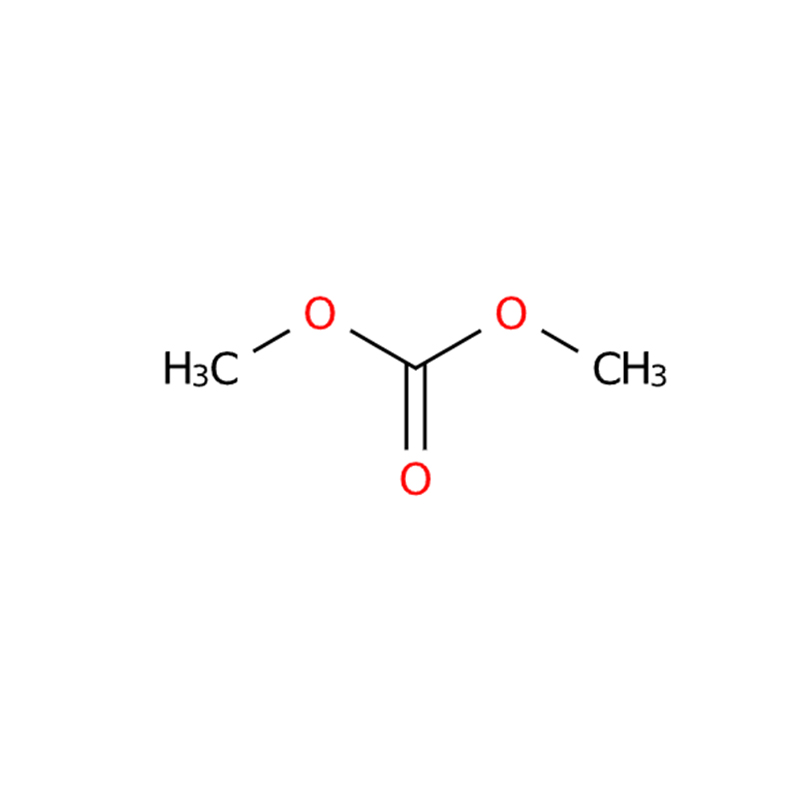
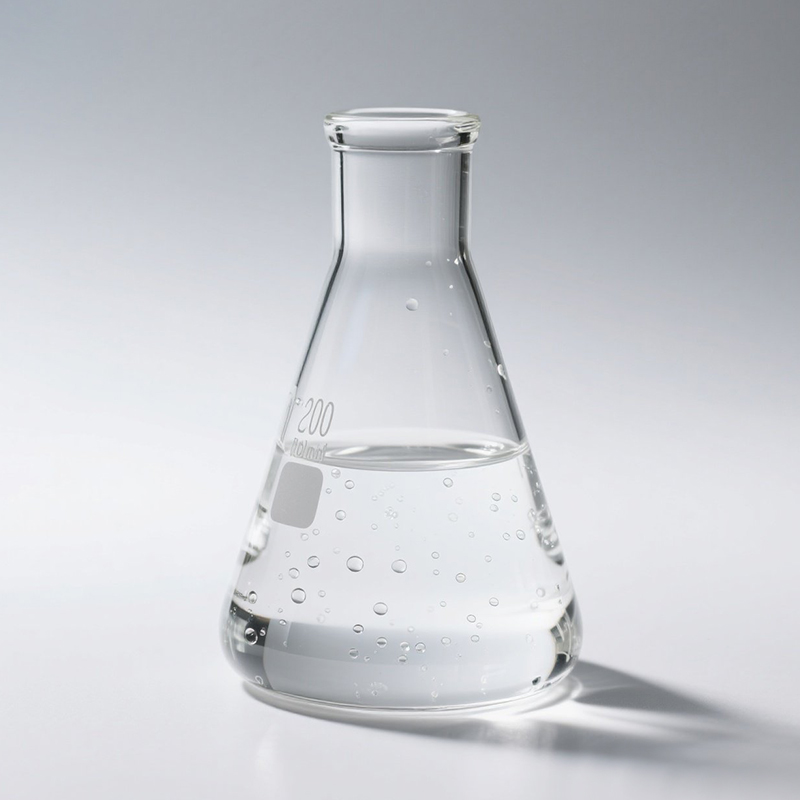
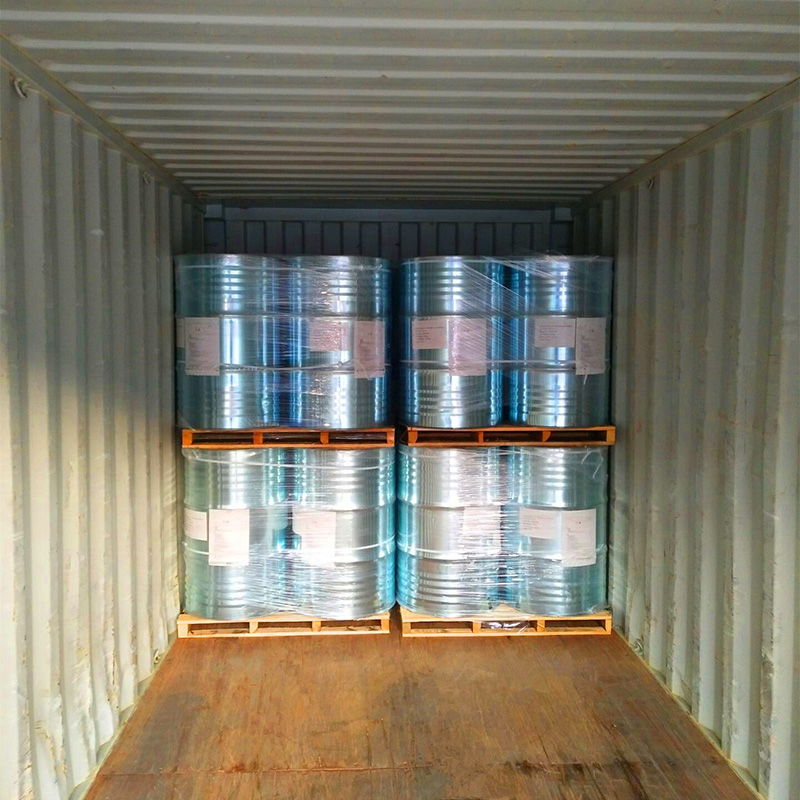
Dimethyl carbonate CAS#616-38-6
Low Toxicity and Environmentally Friendly: Compared with traditional methylating agents such as methyl iodide and dimethyl sulfate, dimethyl carbonate offers significantly lower toxicity and is biodegradable, making it a greener alternative.
Excellent Solvent Performance: DMC is miscible with most organic solvents, including alcohols, ketones, and esters, providing excellent versatility for a wide range of chemical processes.
Effective Methylating Reagent: It serves as an efficient methylating agent for compounds such as aniline, phenol, and carboxylic acids, making it valuable in organic synthesis and chemical manufacturing.
Sustainable Production Process: Modern production of DMC utilizes the catalytic oxidative carbonylation of methanol in the presence of oxygen, offering a more environmentally friendly approach than traditional phosgene-based methods.
Product Description of Dimethyl Carbonate CAS#616-38-6
Dimethyl carbonate (DMC) is a colorless, transparent liquid with a characteristic odor at room temperature. It has a relative density (D20/4) of 1.0694, a melting point of 4°C, a boiling point of 90.3°C, a flash point of 21.7°C (open cup) and 16.7°C (closed cup), and a refractive index (nD20) of 1.3687.
DMC is a flammable, low-toxicity compound that is miscible with most organic solvents, including alcohols, ketones, and esters, in all proportions. It is only slightly soluble in water. As an effective methylating agent, DMC offers significantly lower toxicity and better biodegradability compared with conventional methylating reagents such as methyl iodide and dimethyl sulfate.
Traditional production methods based on phosgene are no longer commonly used. Instead, dimethyl carbonate is now primarily manufactured through the catalytic oxidative carbonylation of methanol in the presence of oxygen, a process considered more environmentally friendly.
Dimethyl carbonate can be employed for the methylation of compounds such as aniline, phenol, and carboxylic acids. In certain reactions, elevated pressure may be required, while DBU can be added during reflux to catalyze the methylation of carboxylic acids using DMC.
Dimethyl carbonate Chemical Properties
| Melting point | 2-4 °C (lit.) |
| Boiling point | 90 °C (lit.) |
| density | 1.069 g/mL at 25 °C (lit.) |
| vapor density | 3.1 (vs air) |
| vapor pressure | 18 mm Hg ( 21.1 °C) |
| refractive index | n20/D 1.368(lit.) |
| Fp | 65 °F |
| storage temp. | Store below +30°C. |
| solubility | 139g/l |
| form | Liquid |
| color | <50(APHA) |
| Odor | Pleasant |
| explosive limit | 4.22-12.87%(V) |
| Water Solubility | 139 g/L |
| Sensitive | Moisture Sensitive |
| Merck | 143241 |
| BRN | 635821 |
| Dielectric constant | 3.17 |
| Stability: | Stable. Highly flammable. Incompatible with strong oxidizing agents, potassium t-butoxide. |
| InChIKey | IEJIGPNLZYLLBP-UHFFFAOYSA-N |
| LogP | 0.23-0.354 at 20-25℃ |
| CAS DataBase Reference | 616-38-6(CAS DataBase Reference) |
| NIST Chemistry Reference | Carbonic acid, dimethyl ester(616-38-6) |
| EPA Substance Registry System | Carbonic acid, dimethyl ester (616-38-6) |
Safety Information
| Hazard Codes | F |
| Risk Statements | 11 |
| Safety Statements | 9-16-2017/9/16 |
| RIDADR | UN 1161 3/PG 2 |
| WGK Germany | 1 |
| RTECS | FG0450000 |
| Autoignition Temperature | 458 °C |
| TSCA | Yes |
| HS Code | 2920 90 10 |
| HazardClass | 3 |
| PackingGroup | II |
| Hazardous Substances Data | 616-38-6(Hazardous Substances Data) |
| Toxicity | LD50 in rats (g/kg): 13.8 orally; 2.5 dermally; LC50 (4 hr) in rats (mg/l): 140 by inhalation (Ono) |
Product Application of Dimethyl Carbonate CAS#616-38-6
Dimethyl carbonate is widely used as a solvent in organic synthesis and is considered an environmentally friendly alternative to solvents such as methyl ethyl ketone, tert-butyl acetate, and parachlorobenzotrifluoride.
It is an important intermediate in the production of diphenyl carbonate, which serves as a key raw material for the manufacture of Bisphenol-A polycarbonate. In addition, dimethyl carbonate functions as a green methylating agent for the methylation of aniline, phenols, and carboxylic acids.
Due to its high oxygen content, it can also be used as a fuel additive. Furthermore, dimethyl carbonate finds applications in the fields of supercapacitors and lithium batteries.
As an environmentally benign reagent, dimethyl carbonate is regarded as a safer alternative to dimethyl sulfate and methyl halides in methylation reactions, as well as a substitute for phosgene in methoxycarbonylation and carbonylation processes.