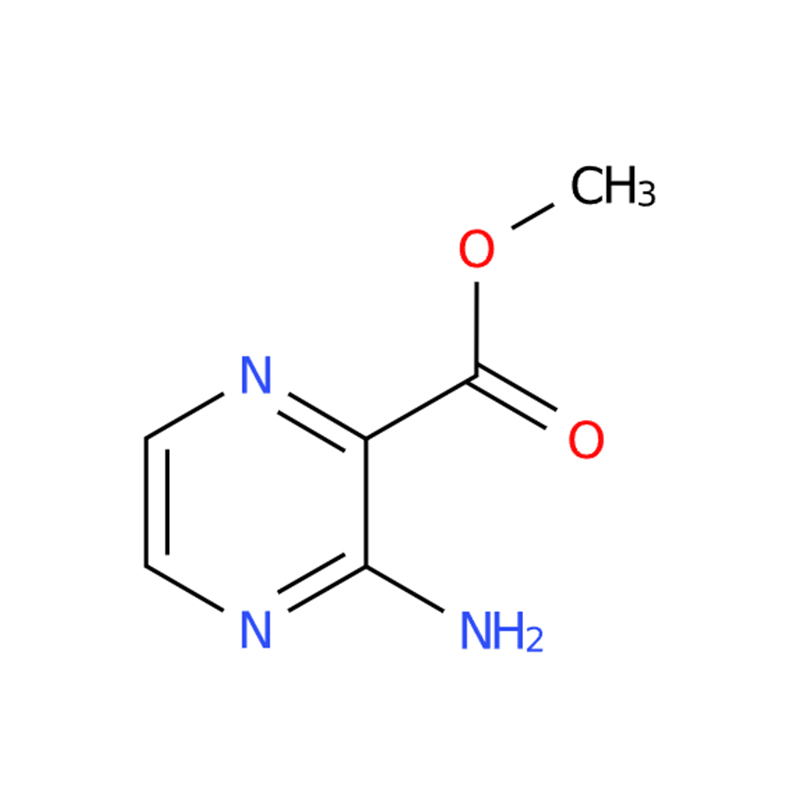

Methyl 3-amino-2-pyrazinecarboxylate CAS#16298-03-6
Excellent Optical Properties: Methyl 3-aminopyrazine-2-carboxylate features a favorable molar refractive index, supporting its application in chemical and pharmaceutical research.
Stable Molecular Structure: With an optimized molar volume and polarizability, the compound demonstrates reliable chemical stability and performance.
Good Surface Activity: Its balanced surface tension properties make it suitable for various synthesis and formulation processes.
Versatile Research and Industrial Applications: The compound’s well-defined physicochemical characteristics enable broad use in laboratory research, pharmaceutical intermediates, and fine chemical production.
Products Description of Methyl 3-amino-2-pyrazinecarboxylate CAS#16298-03-6
Methyl 3-amino-2-pyrazinecarboxylate has a molar refractive index of 38.44, a molar volume of 116.0 m3/mol, an isotonic volume of 326.2 (0.2K), a surface tension of 62.4 dyne/cm, and a polarizability value of 15.24 × 10⁻²⁴ cm3.
Methyl 3-amino-2-pyrazinecarboxylate Chemical Properties
| Melting point | 169-172 °C (lit.) |
| Boiling point | 300.8±37.0 °C(Predicted) |
| density | 1.319±0.06 g/cm3(Predicted) |
| storage temp. | Keep in dark place,Sealed in dry,2-8°C |
| solubility | Chloroform, Methanol |
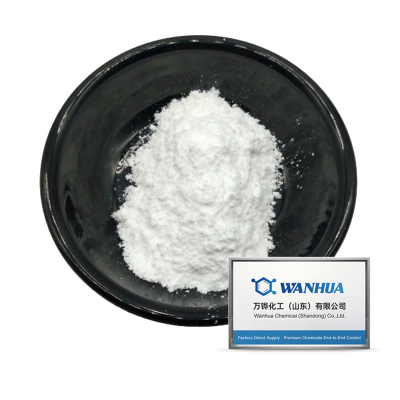
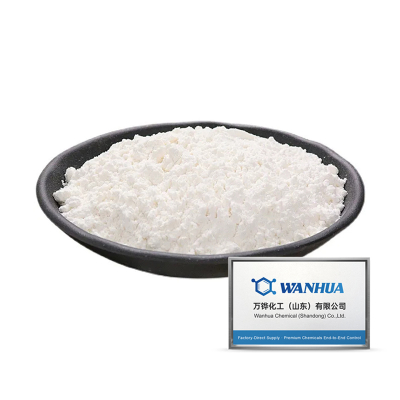
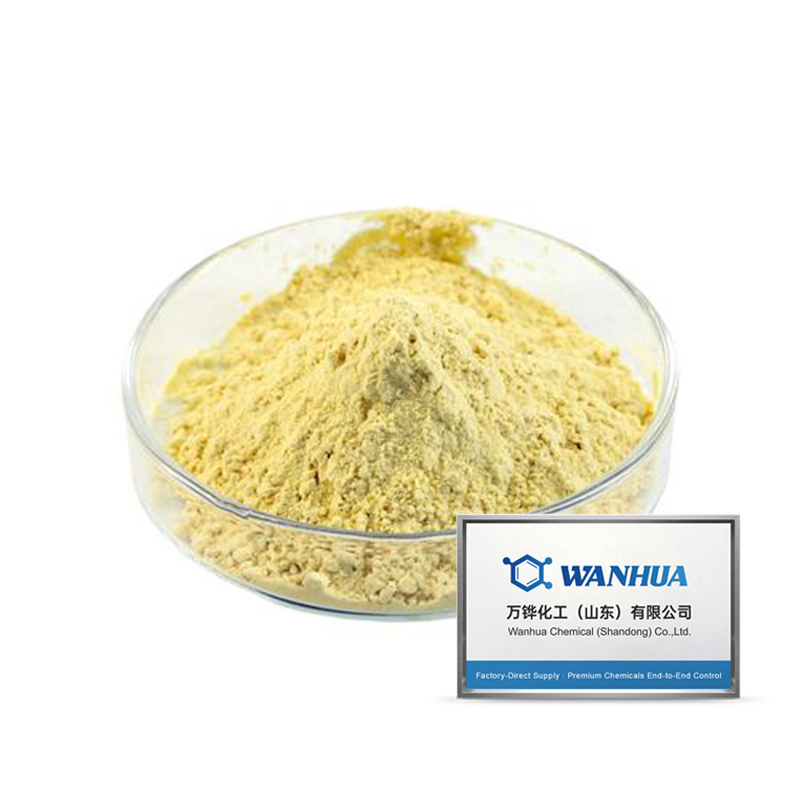
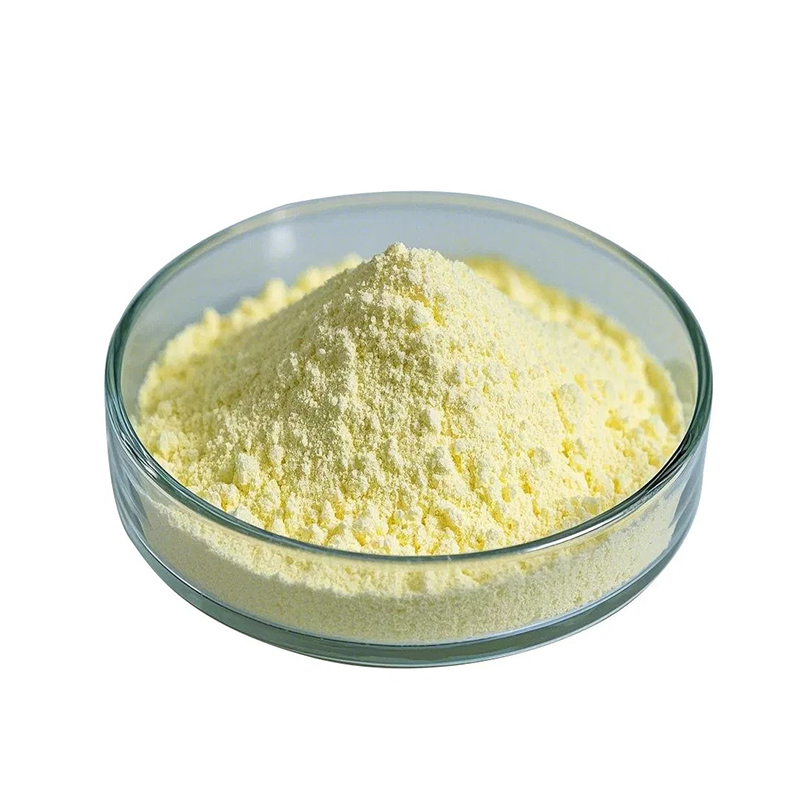
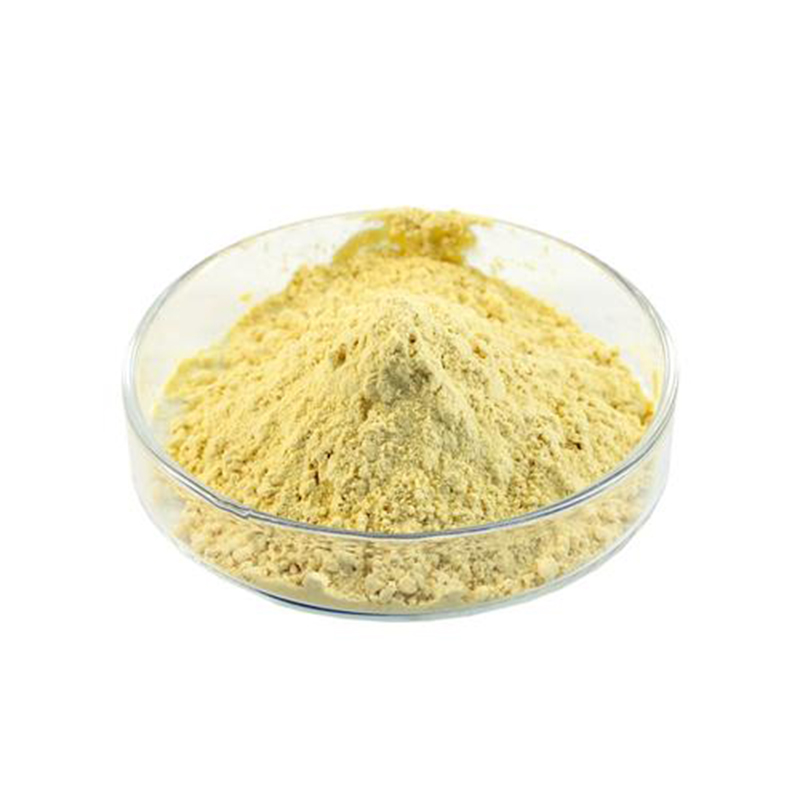
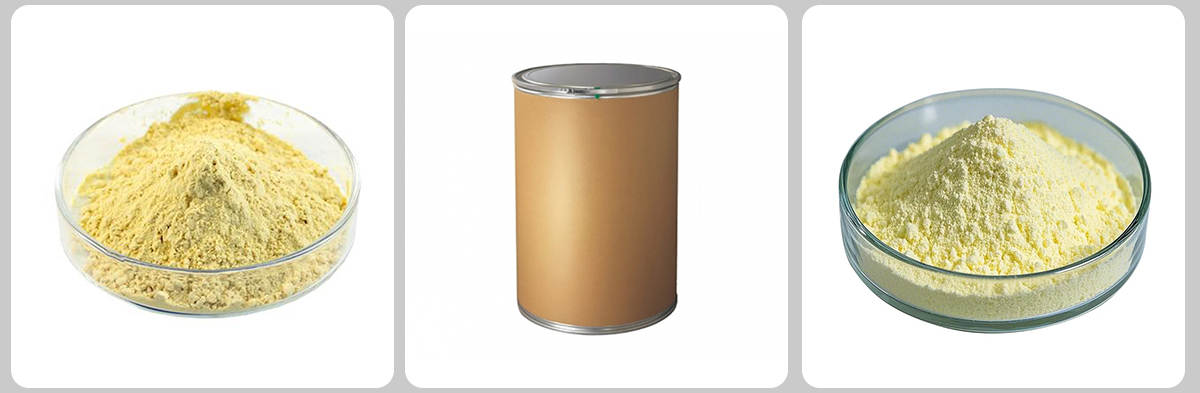
| form | Crystalline Powder |
| pka | -0.30±0.10(Predicted) |
| color | Yellow |
| BRN | 127495 |
| InChIKey | INCSQLZZXBPATR-UHFFFAOYSA-N |
| LogP | 0.2 at 20℃ and pH7 |
| Surface tension | 73.3mN/m at 1g/L and 20℃ |
| CAS DataBase Reference | 16298-03-6(CAS DataBase Reference) |
| Hazard Codes | Xi |
| Risk Statements | 36/37/38 |
| Safety Statements | 22-24/25-37/39-26 |
| WGK Germany | 3 |
| HazardClass | IRRITANT |
| HS Code | 29339900 |
Product Application of Methyl 3-amino-2-pyrazinecarboxylate CAS#16298-03-6
Methyl 3-amino-2-pyrazinecarboxylate is an important industrial raw material that is widely used in the pharmaceutical, pesticide, dye, and related industries. Due to the biological activity of the pyrazine ring, it plays a vital role in drug synthesis and cannot be replaced by other functional groups, making it a significant focus in pharmaceutical research.
In addition, this compound possesses unique chemical properties and medicinal activity, serving as a key intermediate for various pharmaceuticals and pesticides with broad application potential. It can also be applied in the production of medicines and pharmaceutical intermediates, hair dye auxiliaries, polymer stabilizers, antioxidants, and anti-fogging agents for photosensitive materials.