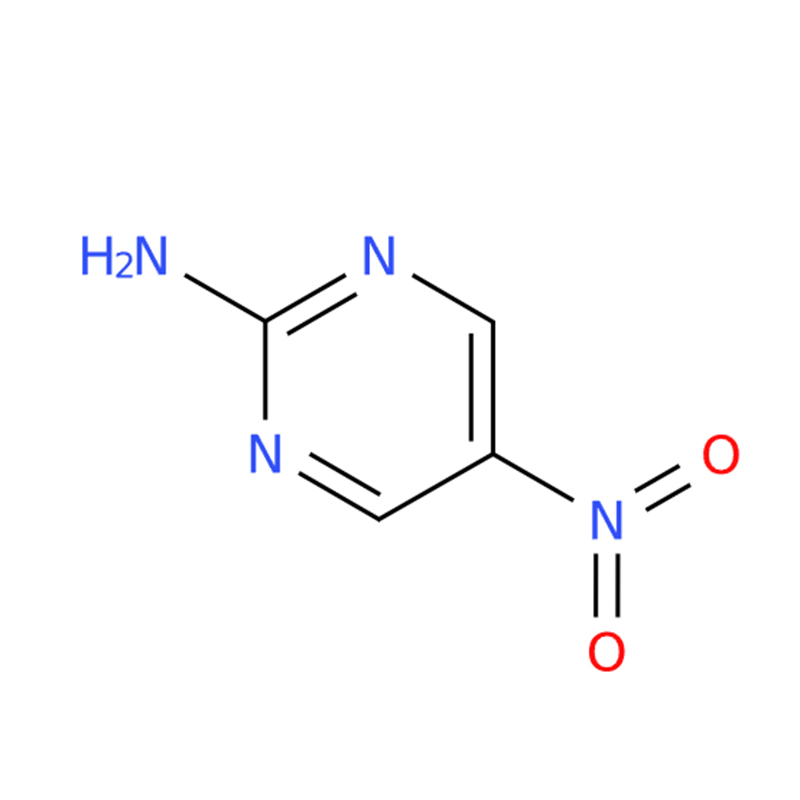

2-Amino-5-nitropyrimidine CAS#3073-77-6
High Purity Standard: Typically supplied with over 98% purity, ensuring reliable quality for research and synthesis applications.
Important Pharmaceutical Intermediate: Widely used in the synthesis of antibacterial agents and other pharmaceutical compounds.
Excellent Thermal Stability: Features a defined melting point of 235–237°C, supporting stable processing performance.
Convenient Storage Conditions: Can be stored at room temperature under cool, dark, and inert conditions for enhanced stability.
Products Description of 2-Amino-5-nitropyrimidine CAS#3073-77-6
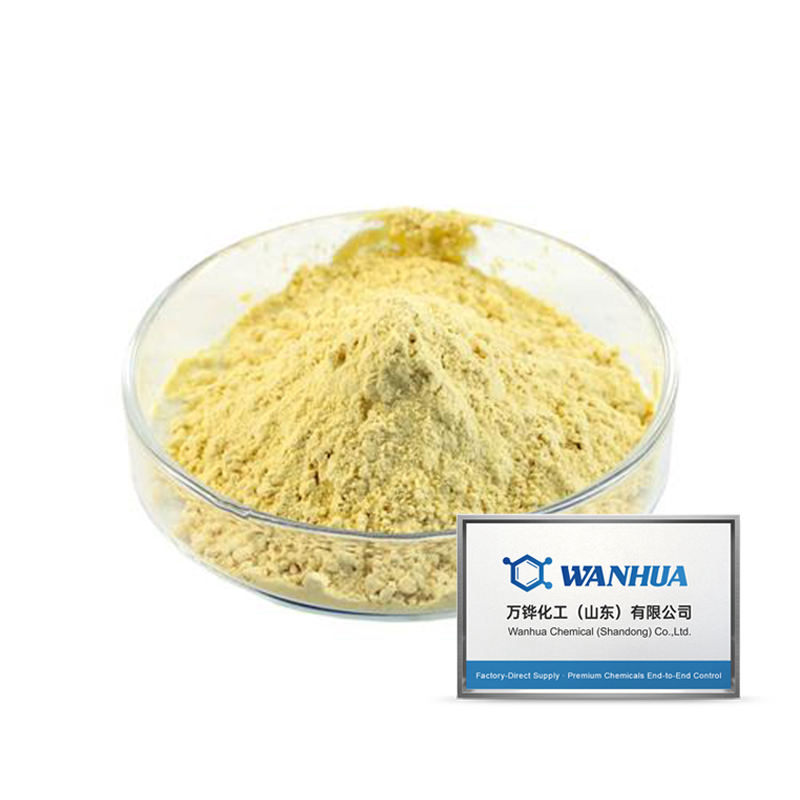
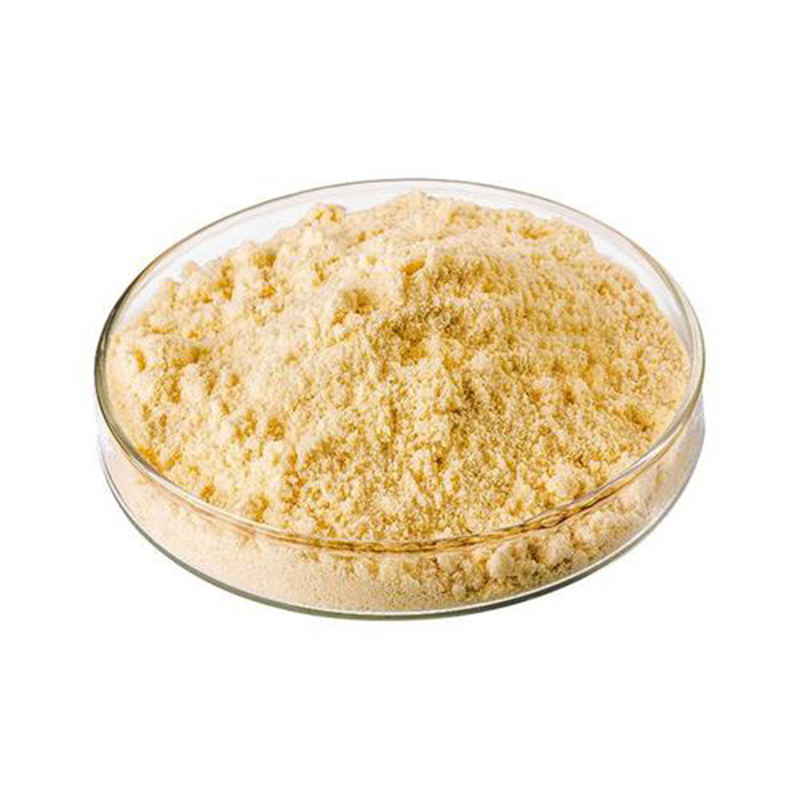
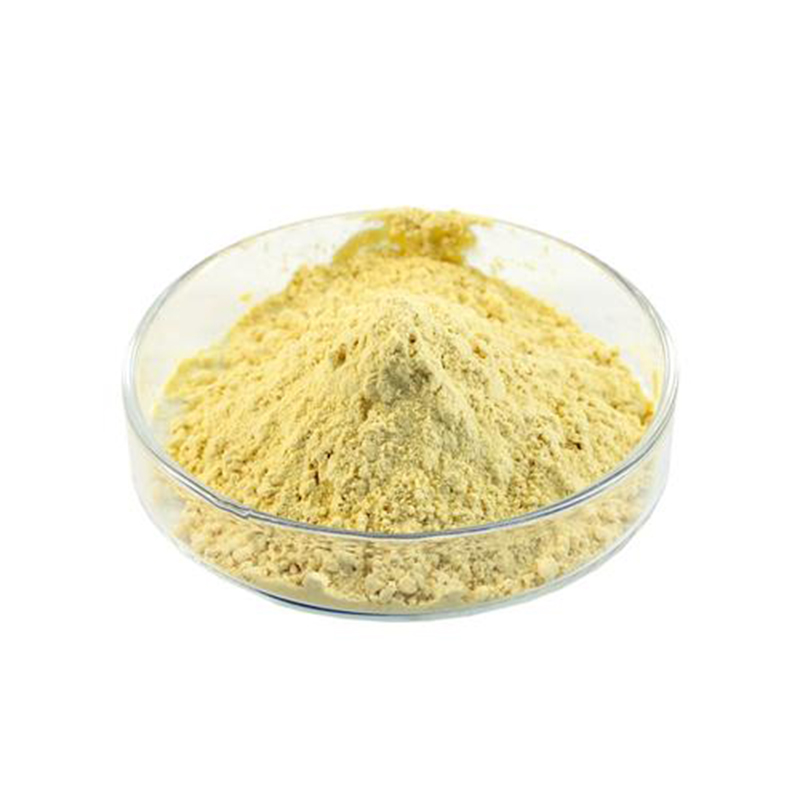
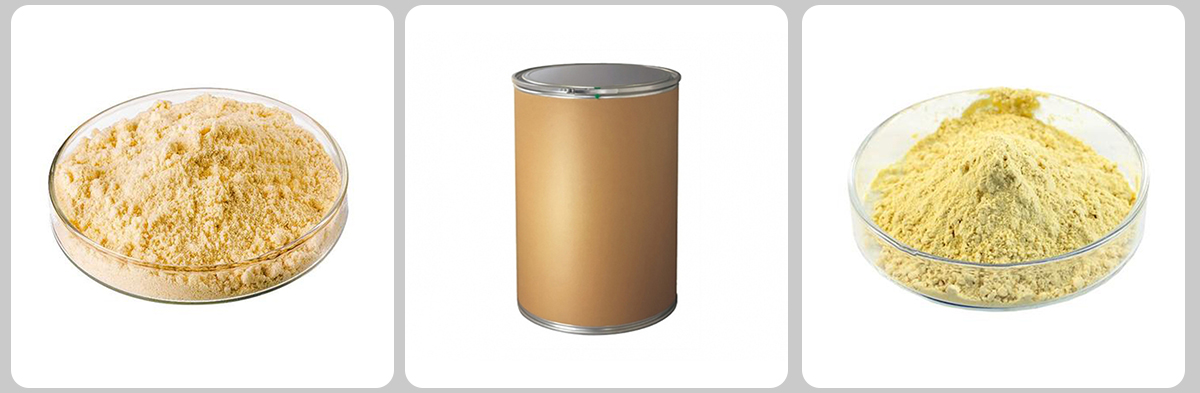
2-Amino-5-nitropyrimidine (CAS# 3073-77-6) is a light yellow, solid chemical compound (C4H4N4O2) primarily used as a pharmaceutical intermediate, particularly in the synthesis of antibacterial agents. It is commonly sourced with >98% purity, features a melting point of 235-237 °C(lit.) , and is typically stored at room temperature in a cool, dark, and inert atmosphere.
2-Amino-5-nitropyrimidine Chemical Properties
| Melting point | 235-237 °C(lit.) |
| Boiling point | 256.57°C (rough estimate) |
| Density | 1.5799 (rough estimate) |
| Refractive index | 1.8010 (estimate) |
| Storage temp. | Keep in dark place,Inert atmosphere,Room temperature |
| Solubility | soluble in Dimethylformamide |
| Pka | 0.04±0.10(Predicted) |
| Form | Fine Crystalline Powder |
| Color | Light yellow |
| InChIKey | SSHFCFRJYJIJDV-UHFFFAOYSA-N |
| CAS DataBase Reference | 3073-77-6(CAS DataBase Reference) |
| NIST Chemistry Reference | 2-Amino-5-nitropyrimidine(3073-77-6) |
| Hazard Codes | Xi,Xn |
| Risk Statements | 36/37/38-20/21/22 |
| Safety Statements | 26-37/39-36 |
| WGK Germany | 3 |
| HazardClass | IRRITANT |
| HS Code | 29335990 |

Product Application of 2-Amino-5-nitropyrimidine (CAS# 3073-77-6)
2-Amino-5-nitropyrimidine was originally identified in extreme halophilic bacteria. As a compatible solute involved in regulating cellular osmotic pressure, it helps microorganisms survive in harsh high-salt environments. Owing to these properties, the compound has demonstrated significant commercial potential in fields such as bioprotection, biomedicine, and biotechnology.