
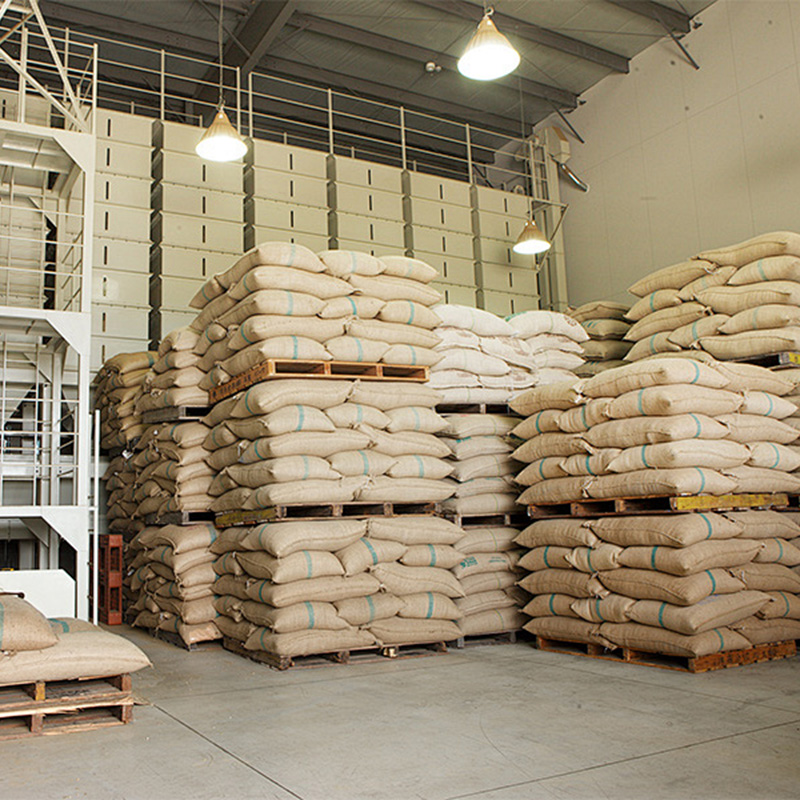
Zirconium Silicate CAS#10101-52-7
High Cost-Performance – Offers excellent quality at a relatively low cost, making it economical for large-scale industrial use.
Wide Application Range – Extensively used across ceramics, glass, enamel, television picture tubes, and refractory industries.
Excellent Thermal Resistance – Features a high melting point, ideal for refractory materials and high-temperature applications.
Strong Emulsifying Performance – Acts as an effective emulsifier, enhancing product uniformity and stability in ceramic and glass formulations.
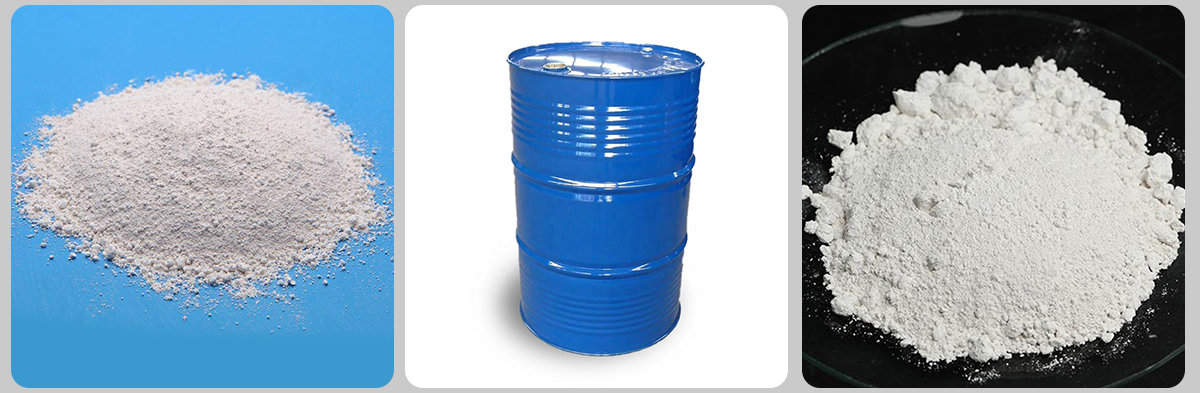
Zirconium silicate Chemical Properties
| Melting point | 2550 °C |
| density | 4,56 g/cm3 |
| refractive index | 1.78-1.99 |
| solubility | insoluble in H2O, acid solutions |
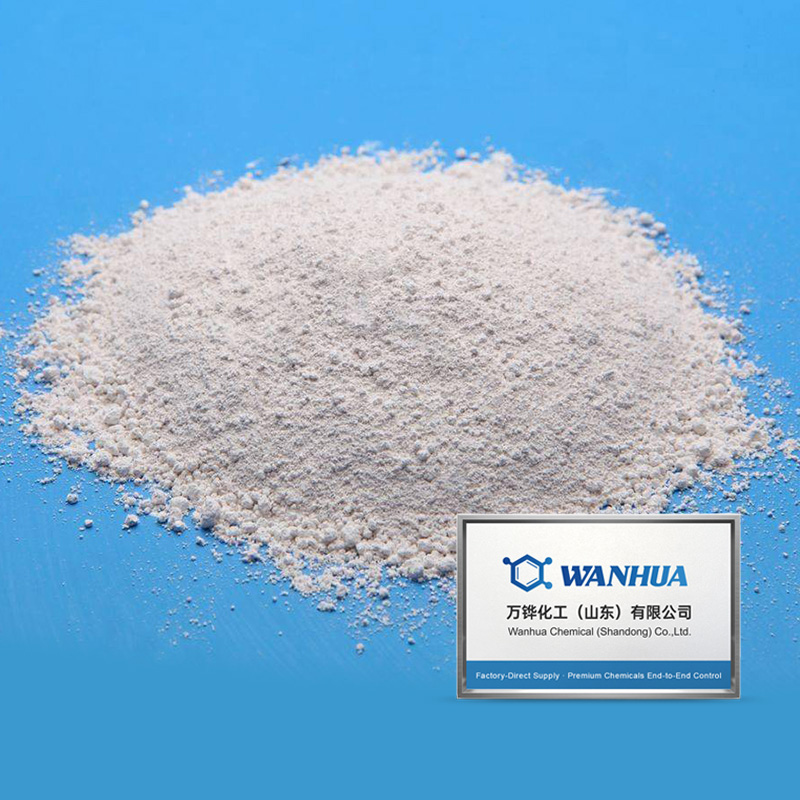
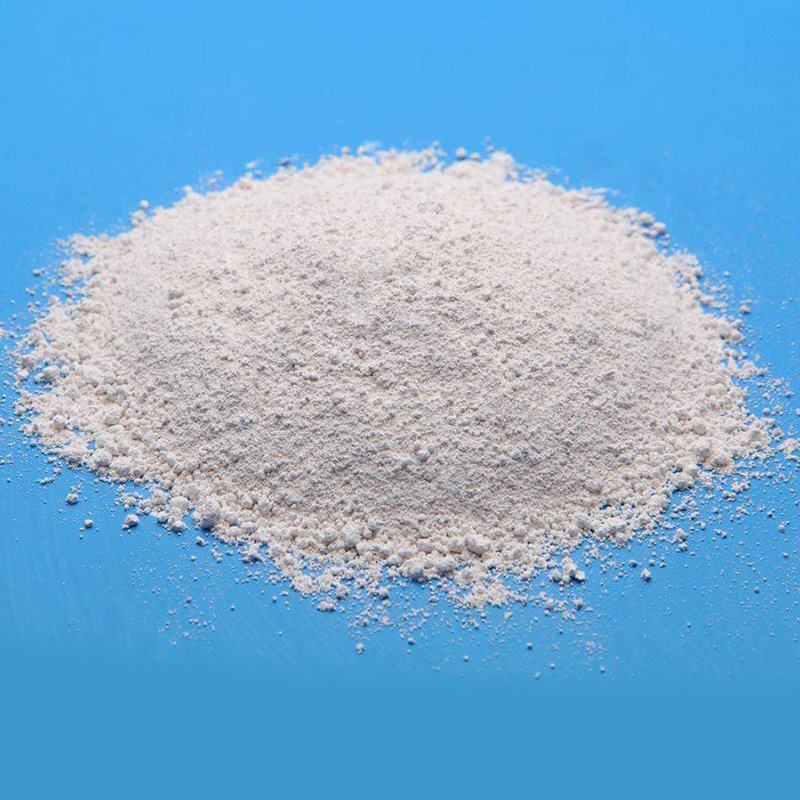
| form | nanopowder |
| color | Yellow to orange |
| Specific Gravity | 4.56 |
| Odor | Odorless |
| Water Solubility | Insoluble in water, acids, alkali and aqua regia. |
| Hydrolytic Sensitivity | 1: no significant reaction with aqueous systems |
| Merck | 1,410,181 |
| Exposure limits | ACGIH: TWA 5 mg/m3; STEL 10 mg/m3 |
| NIOSH: IDLH 25 mg/m3; TWA 5 mg/m3; STEL 10 mg/m3 | |
| Dielectric constant | 5(0.0℃) |
| Stability | Stable. |
| CAS DataBase Reference | 10101-52-7(CAS DataBase Reference) |
| NIST Chemistry Reference | Zirconium silicate(10101-52-7) |
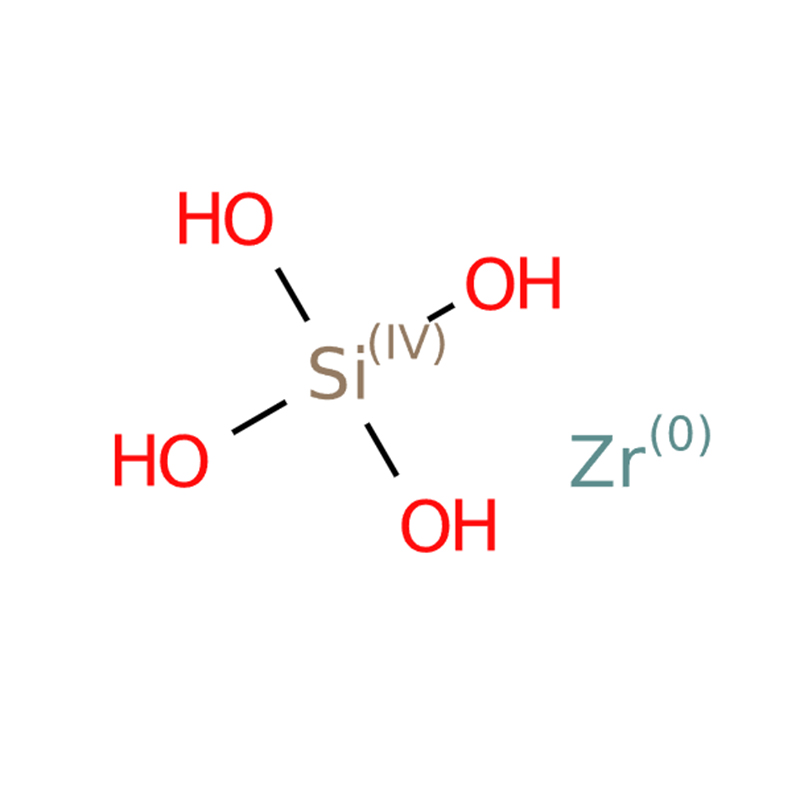
| EPA Substance Registry System | Silicic acid (H4SiO4), zirconium(4+) salt (1:1) (10101-52-7) |
Safety Information
| Hazard Codes | Xn |
| Risk Statements | 20-36/37/38 |
| Safety Statements | 26-36 |
| WGK Germany | 3 |
| TSCA | Yes |
| HS Code | 28399090 |

Product Application of Zirconium Silicate CAS#10101-52-7
Zirconium silicate is widely used in ceramics, milky white glazes, and as a coating enhancer. It also serves as a catalyst in the production of alkanes and olefins, as well as a stabilizer for silicone rubber. In industrial applications, it is utilized as a zirconium raw material for producing metallic zirconium and zirconium oxide, and is applied in gemstones, catalysts, binders, glass polishing agents, resistors, electrical insulators, refractory materials, and glazes. In ceramic glazes, it functions as an effective whitening agent, capable of replacing more expensive tin dioxide and zirconium dioxide, thereby significantly reducing glaze costs. The typical average particle size ranges from 1 μm to 1.2 μm.