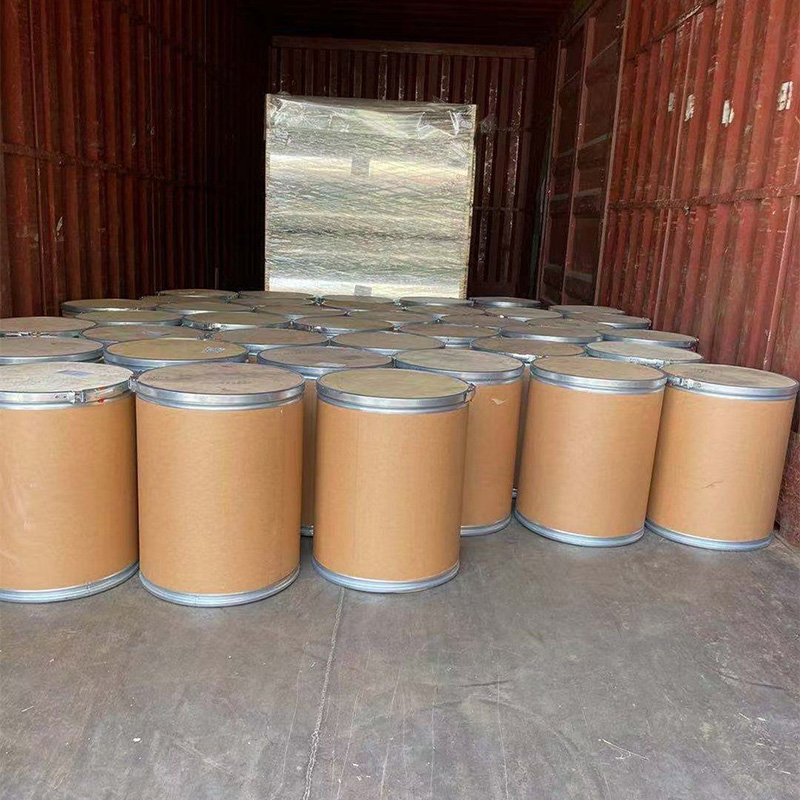
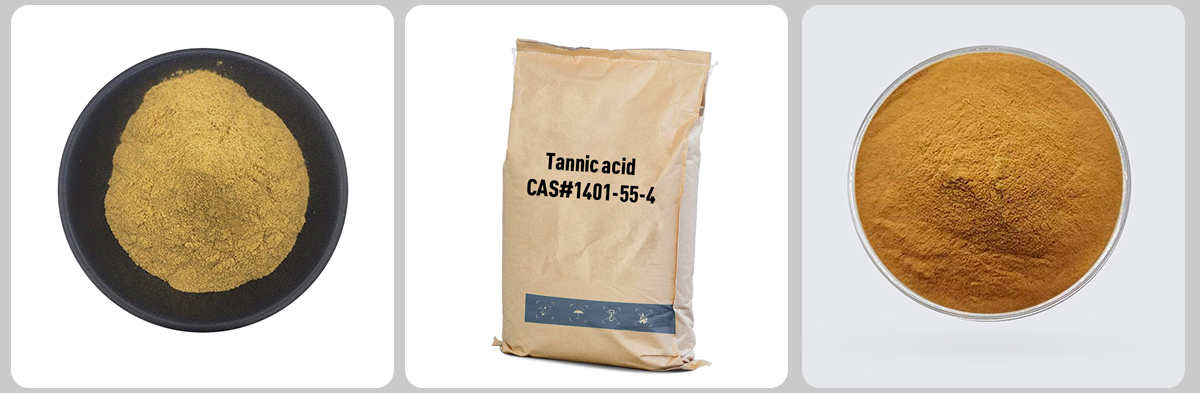
Tannic acid CAS#1401-55-4
Effective Protein Coagulation:Tannic acid readily coagulates proteins, making it highly effective for leather tanning and other industrial protein treatment processes.
Excellent Leather Tanning Performance:It transforms raw animal hides into clean, flexible, and durable leather, significantly improving product quality and longevity.
Versatile Industrial Applications:Widely used in industries such as leather processing and ink manufacturing, including the production of blue ink.
Stable Aqueous Behavior:Its discoloration reaction with iron salts is well understood and can be controlled, for example by adding sodium sulfite to delay color changes.
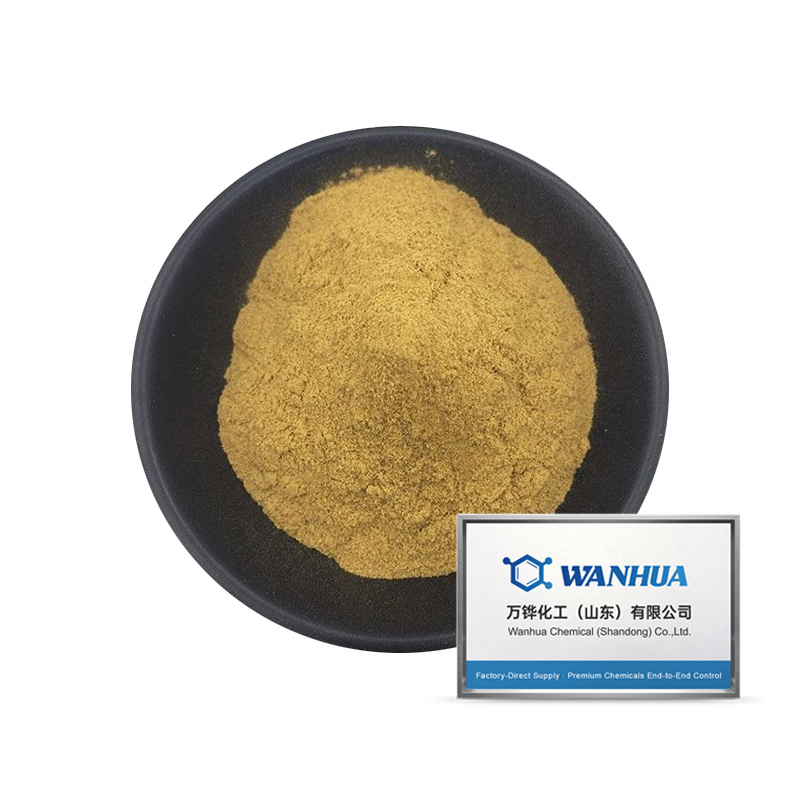
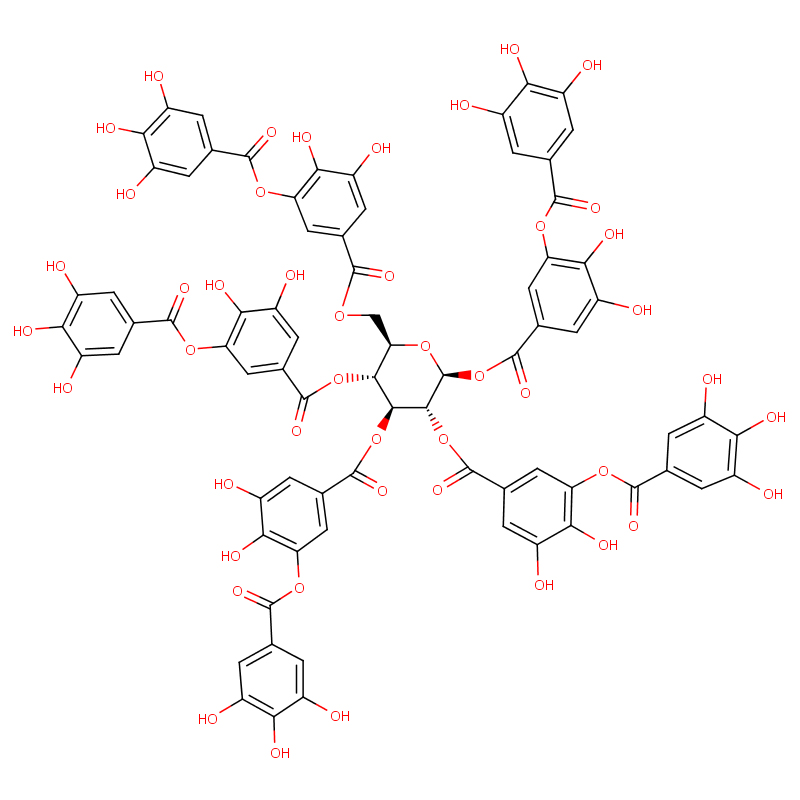
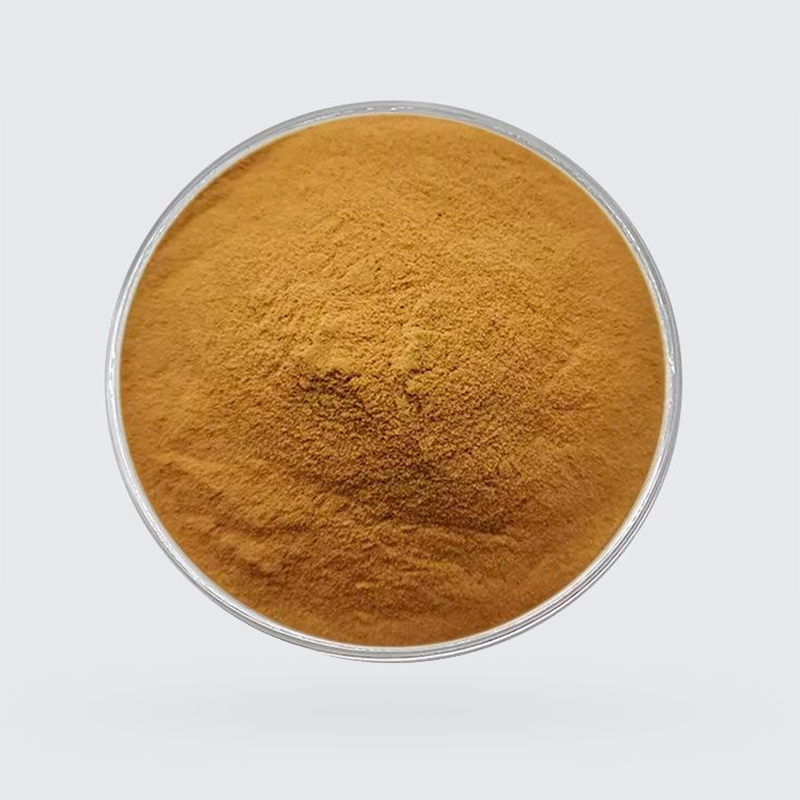
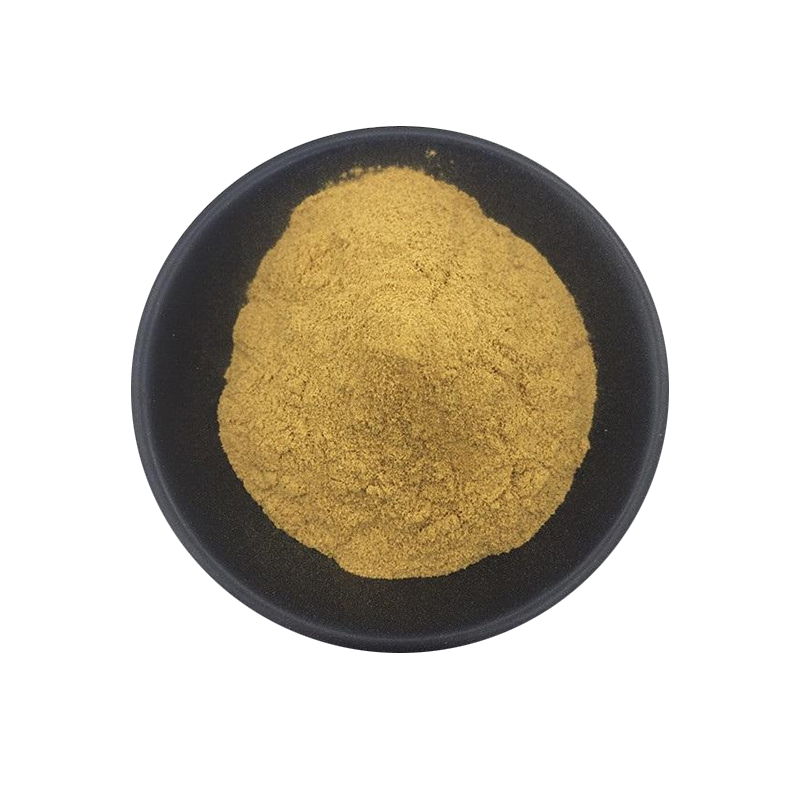
Tannic acid is an organic compound with the molecular formula C₇₆H₅₂O₄₆ and appears as a yellow to brownish-yellow powder. When dissolved in water, its solution turns blue-black upon contact with iron salt solutions, and this color change can be delayed by the addition of sodium sulfite.
Industrially, tannic acid is extensively applied in leather tanning and the production of blue ink. Owing to its ability to coagulate proteins, it is used to chemically treat raw pig and cow hides, causing the soluble proteins in the skins to solidify. Through this process, raw hides that would otherwise decay and emit odors within a few days are converted into clean, flexible, and durable leather. This transformation process is known as leather tanning.
Tannic acid Chemical Properties
| Melting point | 218 °C (lit.) |
| Boiling point | 862.78°C (rough estimate) |
| Density | 1.2965 (rough estimate) |
| Refractive index | 1.7040 (estimate) |
| FEMA | 3042 | TANNIC ACID (QUERCUS SPP.) |
| Fp | 198°C |
| Storage temp | Storage temperature: no restrictions. |
| Solubility | Ethanol: soluble100mg/mL, yellow to brown |
| Form | Powder/Solid |
| Color | Yellow to light brown |
| PH | 3.5 (100g/l, H2O, 20°C) |
| Odor | Slight in solution, typical tannic acid |
| Water Solubility | 250 g/L (20 ºC) |
| Sensitive | Air & Light Sensitive |
| Merck | 149,052 |
| BRN | 8186396 |
| Stability | Stable. Incompatible with metallic salts, strong oxidizing agents, iron and other heavy metals. |
| InChIKey | LRBQNJMCXXYXIU-PPKXGCFTSA-N |
| LogP | 13.327 (est) |
| IARC | 3 (Vol. 10, Sup 7) 1987 |
| EPA Substance Registry System | Tannic acid (1401-55-4) |
Safety Information
| Hazard Codes | Xi,Xn |
| Risk Statements | 40-62-63-68-36/37/38-52/53 |
| Safety Statements | 24/25-36-26-36/37/39-22-61 |
| WGK Germany | 2 |
| RTECS | WW5075000 |
| Autoignition Temperature | 980 °F |
| TSCA | Yes |
| HS Code | 32019090 |
| Hazardous Substances Data | 1401-55-4(Hazardous Substances Data) |
| Toxicity | LD50 oral in rabbit: 5gm/kg |

Product Application of Tannic Acid CAS#1401-55-4
Tannic acid is used as a clarifying agent, astringent, crude oil deodorant, and fragrance aid. It is widely applied in leather tanning, ink production, paper and silk sizing, and boiler descaling. In addition, it serves as a mordant, a clarifier for beer and wine, and a coagulant in rubber processing.
It is also utilized in industries such as printing and dyeing, metallurgy, and pharmaceuticals. Tannic acid itself has very low toxicity and is employed in analytical chemistry for the precipitation and gravimetric determination of elements such as beryllium, aluminum, gallium, indium, niobium, tantalum, and zirconium, as well as for the titrimetric determination of copper, iron, vanadium, cerium, and cobalt. Furthermore, it is used as a precipitating agent for proteins and alkaloids, an external indicator in ammonium molybdate titration of lead, and as a mordant in dyeing processes.