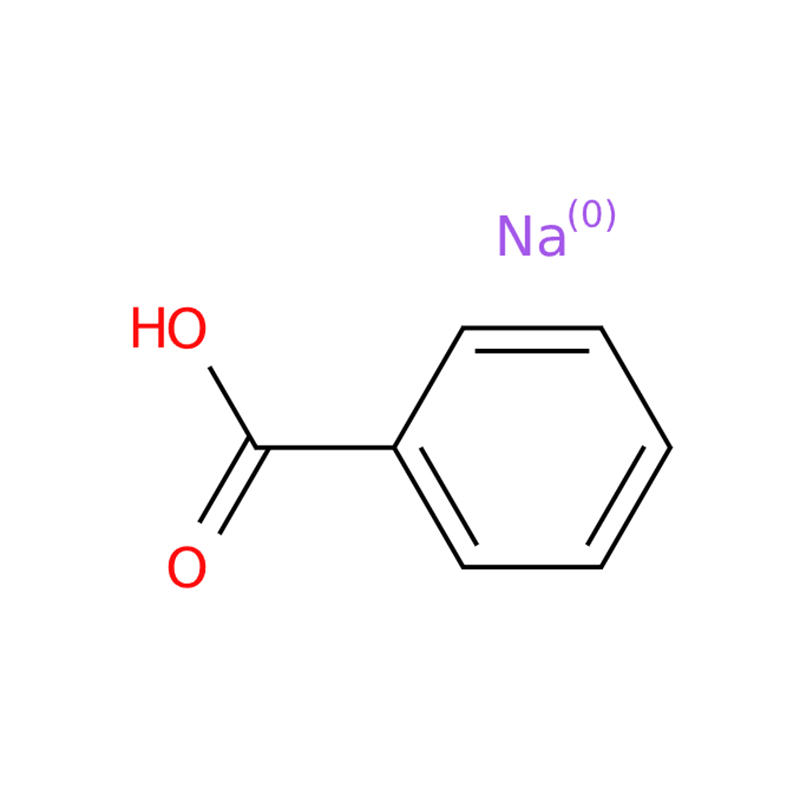
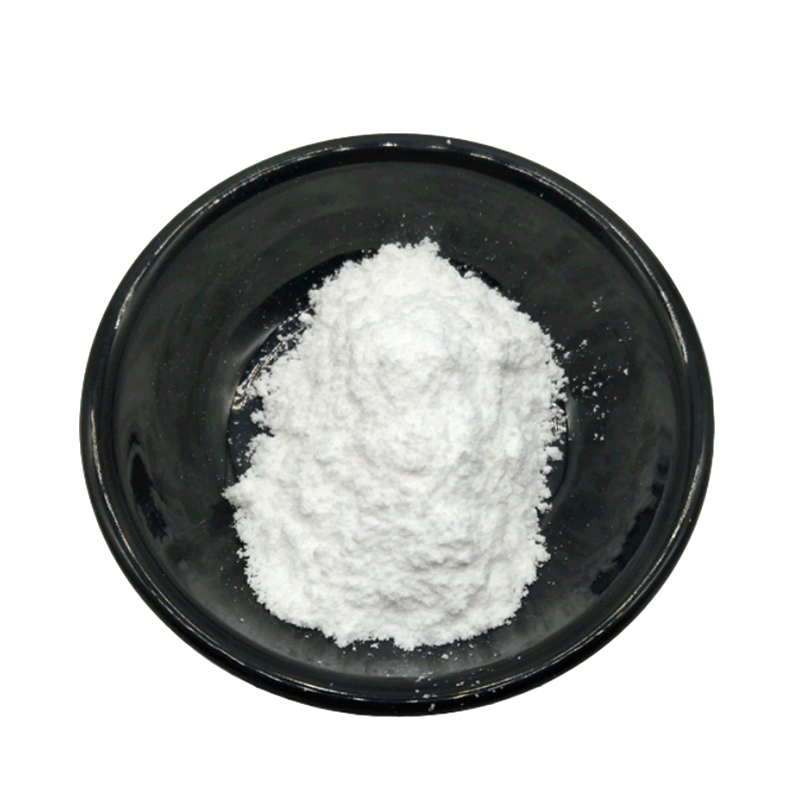
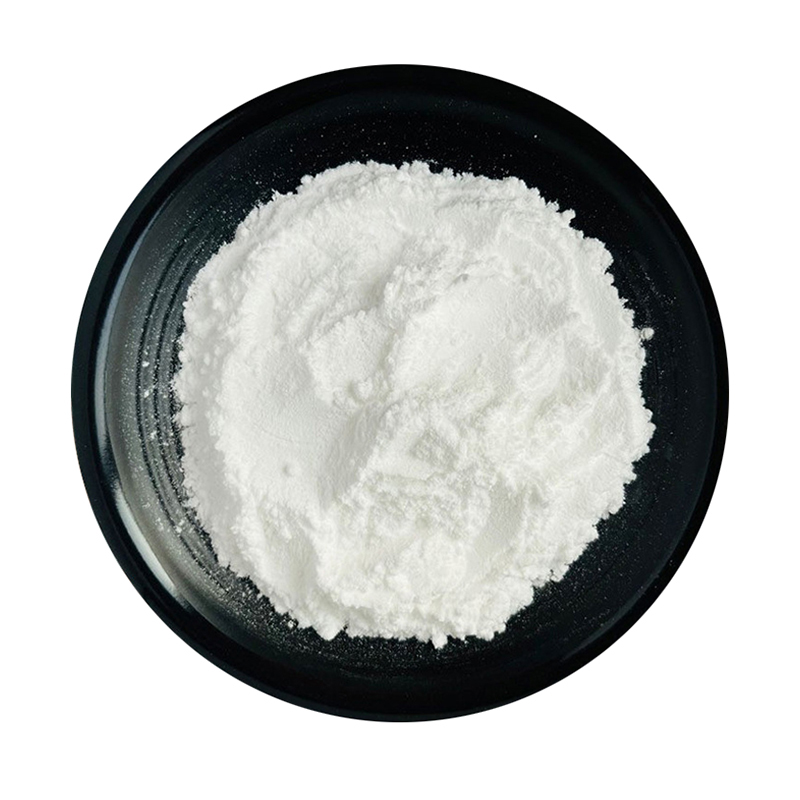
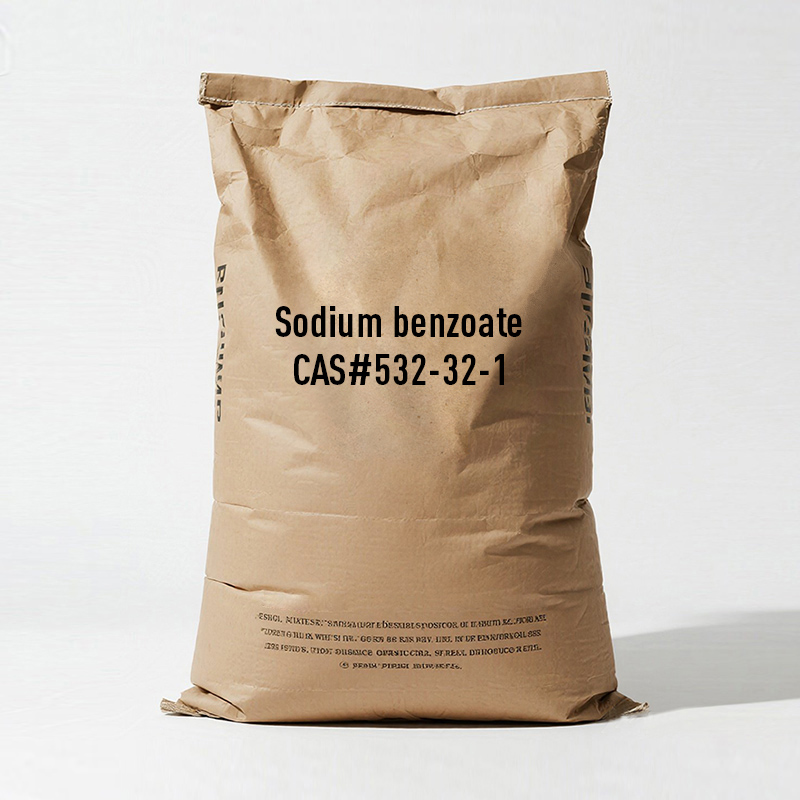
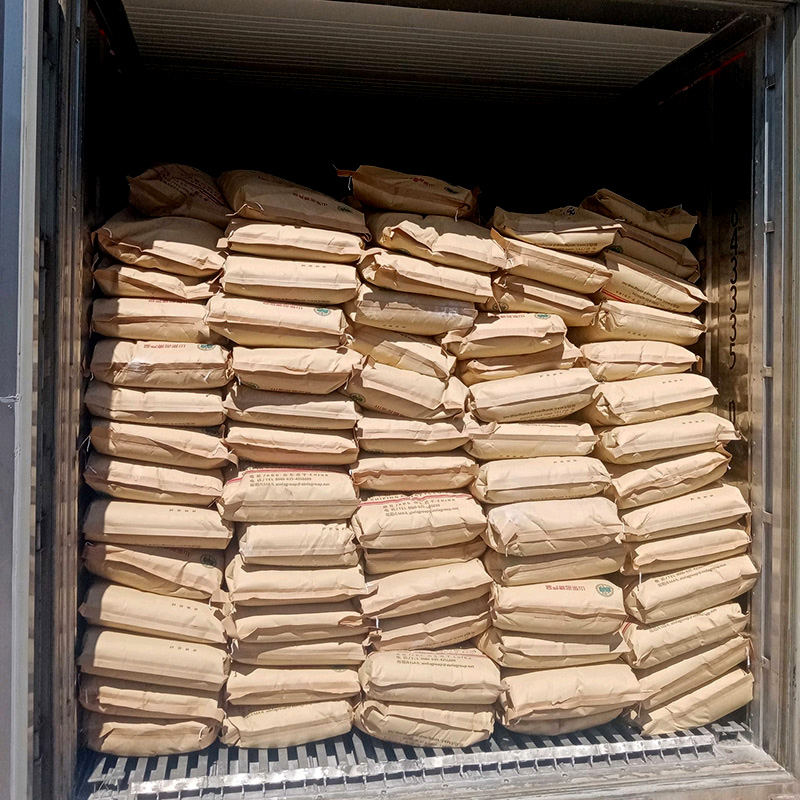
Sodium benzoate CAS#532-32-1
Effective Preservative: Sodium benzoate inhibits the growth of a variety of microorganisms, particularly in acidic environments, making it highly effective for preserving foods and beverages.
Safe for Human Consumption: It is non-toxic within normal dosage limits, does not accumulate in the body, and is fully excreted through urine, ensuring safety as a food additive.
Wide Range of Applications: Commonly used in carbonated drinks, fruit juices, jams, jellies, margarine, soy sauce, and gum base, providing versatile preservation across many products.
Cost-Effective and Stable: Sodium benzoate is inexpensive, odorless or slightly aromatic, stable in air, and can absorb moisture, making it practical and reliable for industrial and commercial use.
In 1870, British scientist H. Fleck, while searching for an alternative to the well-known salicylic acid, first documented the antiseptic properties of benzoic acid. He established its effectiveness as an antiseptic. At that time, due to limited safety research and immature production technology, sodium benzoate was not used for food preservation until the early 20th century. Since then, it has become one of the most widely used preservatives globally because of its low cost.
Sodium benzoate, also referred to as sodium benzoate, is a common food preservative in the food industry. It is odorless or slightly aromatic with a faint benzoin scent, and has a mildly sweet and astringent taste. It is stable in air and can absorb moisture upon exposure. Sodium benzoate occurs naturally in foods such as blueberries, apples, plums, cranberries, prunes, cinnamon, and cloves. Its bactericidal effect is slightly weaker than benzoic acid; approximately 1.180 g of sodium benzoate has the same inhibitory effect as 1 g of benzoic acid.
In acidic conditions, sodium benzoate strongly inhibits the growth of various microorganisms. For example, at pH 3.5, a 0.05% solution can completely prevent yeast growth, but its effectiveness decreases significantly above pH 5.5 and is negligible in alkaline environments.
Once ingested, sodium benzoate is metabolized in the body: it combines with glycine to form hippuric acid or with glucuronic acid to form glucuronide, and is fully excreted through urine without accumulating in the body. Within normal dosage limits, it poses no toxic effects and is considered a safe preservative. Sodium benzoate is commonly used in carbonated beverages, concentrated fruit juices, margarine, gum base, jams, jellies, soy sauce, and other products. The acceptable daily intake (ADI) for humans is less than 5 mg/kg body weight, based on benzoic acid equivalence.
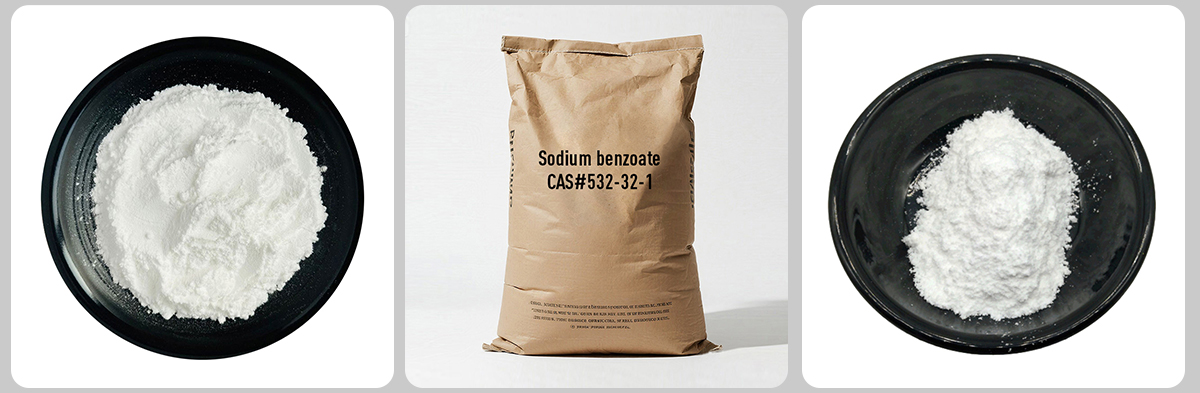
Sodium benzoate Chemical Properties
Melting point | >300 °C (lit.) |
Density | 1,44 g/cm3 |
Vapor pressure | 0Pa at 20℃ |
FEMA | 3025 | SODIUM BENZOATE |
Fp | >100°C |
Storage temp. | room temp |
Solubility | H2O: 1 M at 20 °C, clear, colorless |
Pka | 4.03[at 20 ℃] |
Form | Crystals, Granules, Flakes or Crystalline Powder |
Color | White |
PH | 7.0-8.5 (25℃, 1M in H2O) |
Odor | odorless |
Water Solubility | soluble |
Merck | 14,8582 |
BRN | 3572467 |
Stability | Stable, but may be moisture senstive. Incompatible with strong oxidizing agents, alkalis, mineral acids. |
InChIKey | WXMKPNITSTVMEF-UHFFFAOYSA-M |
LogP | 1.88 |
CAS DataBase Reference | 532-32-1(CAS DataBase Reference) |
NIST Chemistry Reference | Sodium benzoate(532-32-1) |
EPA Substance Registry System | Sodium benzoate (532-32-1) |
Safety Information
Hazard Codes | Xi |
Risk Statements | 36/37/38-62-63-68-36 |
Safety Statements | 24/25-36-26 |
WGK Germany | 1 |
RTECS | DH6650000 |
TSCA | Yes |
HS Code | 29163100 |
Hazardous Substances Data | 532-32-1(Hazardous Substances Data) |
Toxicity | LD50 orally in rats: 4.07 g/kg (Smyth, Carpenter) |

Product Application of Sodium Benzoate CAS#532-32-1
Sodium benzoate serves as a food additive (preservative), a bactericide in pharmaceuticals, a mordant in the dye industry, a plasticizer in plastics, and an intermediate in organic synthesis including flavoring agents and spices.
Acts as a cosolvent in serum bilirubin testing.
Widely used in pharmaceutical applications and plant genetic research, as well as a dye intermediate, bactericide, and preservative.