What is Sodium alginate CAS#9005-38-3 and what are its functions?
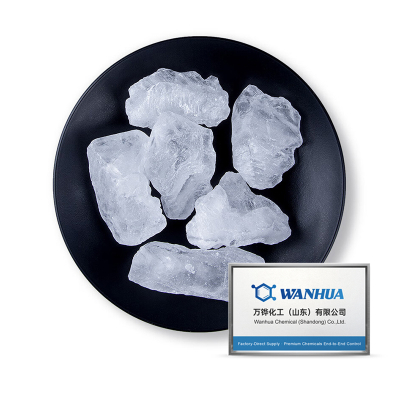
Sodium alginate, also referred to as kelp glue or brown algin, is a natural high molecular weight polysaccharide polymer derived from kelp and seaweed through a series of ion exchange processes, including digestion, filtration, bleaching, calcification, decalcification, neutralization, and transformation.
This natural polyanionic polysaccharide, extracted from brown algae, forms a highly viscous solution when dissolved in water and can rapidly form a gel under mild conditions. It is known for its excellent biocompatibility and is resistant to degradation by specific enzymes in the human body, making it a promising material in the field of tissue engineering.
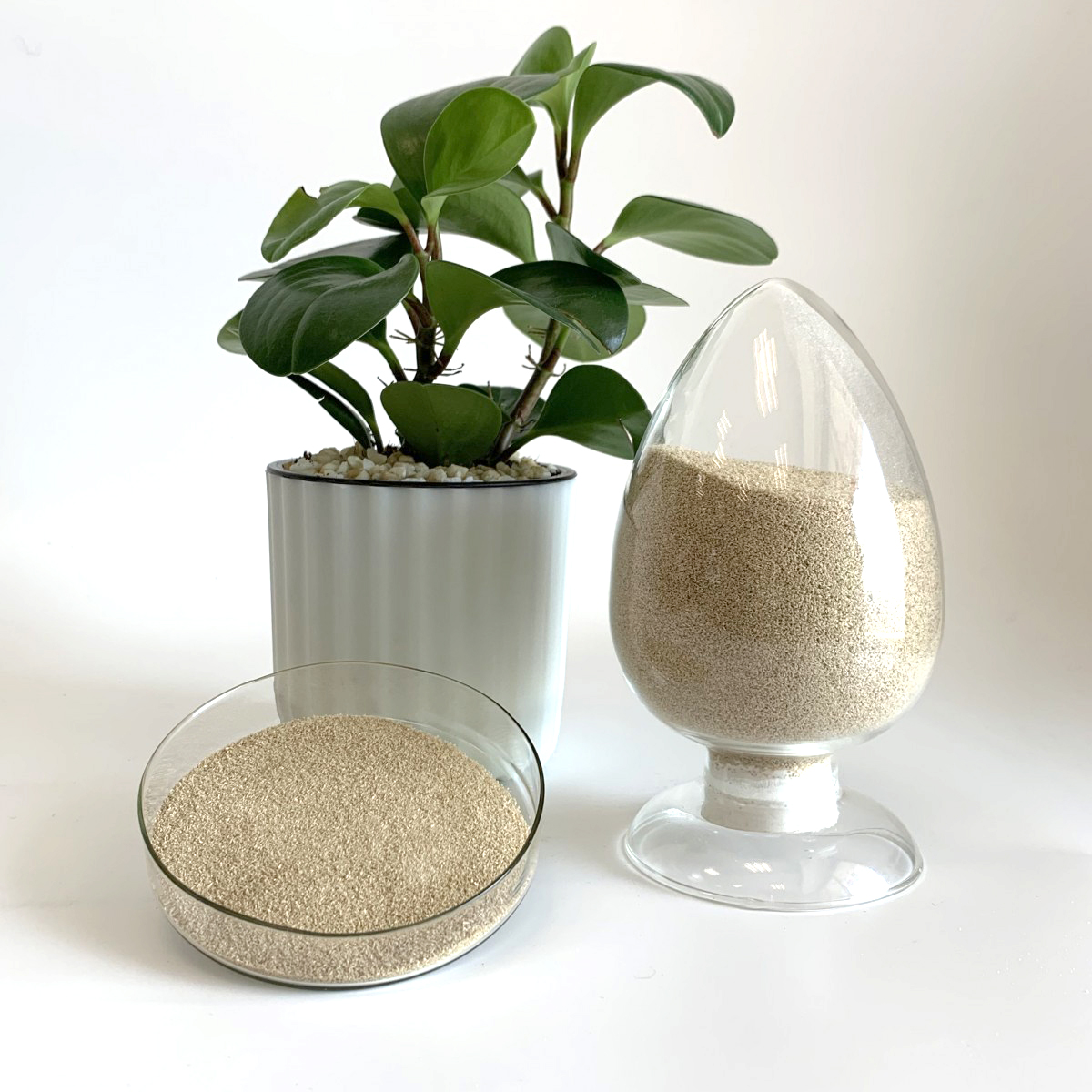
Sodium alginate direct injection products
1. Materials for Heart Failure Treatment
In 2012, there were 290 million cardiovascular patients, with 4.5 million suffering from heart failure. Many cardiovascular diseases can ultimately lead to heart failure, which has a five-year survival rate comparable to that of cancer. Alginate materials for treating heart failure are gaining attention as a new research focus internationally. Two foreign products have entered clinical trials, while domestic research and development is still in its early stages.
2. Drug and Active Substance Carriers
Due to its excellent biosafety profile, sodium alginate plays a crucial role in the research of drug carriers and smart hydrogels. Sodium alginate and its derivatives can be developed into nanocarriers for delivering a variety of drugs, including small molecules, genes, and proteins. The research in this field is vast and growing.
3. Cosmetic and Plastic Surgery Materials
Sodium alginate offers excellent biocompatibility and does not degrade through specific enzymes in the human body, allowing it to remain safely in the body for extended periods. Calcium alginate gel is commonly used in breast and buttock augmentation surgeries, as well as other plastic surgery applications.
Alginate embolic agent
Tumor Interventional Treatment
Alginate, as an embolic material, offers distinct advantages over other commonly used substances like gelatin sponge, polyvinyl alcohol (PVA) particles, and acrylic microspheres (TAGM). It is more stable, safer, and easier to functionalize. Alginate microspheres have been used as embolic agents in interventional treatments since 2002. Currently, over 20 tertiary hospitals in cities like Guangzhou, Tianjin, Shanghai, and Yantai have adopted this method, successfully treating tens of thousands of patients, particularly in liver cancer and gynecological tumor treatments, showcasing its promising potential.
Embolic Hemostasis
Alginate microspheres are highly effective in arterial hemostasis, providing significant results in various bleeding scenarios, including:
Acute bleeding from traumatic injuries like liver and spleen ruptures, nosebleeds, uterine rupture and bleeding, and uterine atony.
Tumor-related bleeding, such as liver rupture, hepatic hemangioma rupture, and esophageal variceal bleeding, often treated with interventional hemostasis methods.
Embolization for Urinary Incontinence
Urinary incontinence is common among older women due to the relaxation of the urethral sphincter and the deterioration of the urethral mucosa's elasticity with age, affecting 40-50% of women. Traditional surgery carries the risk of overcorrection, impacting urination. Alginate microsphere embolization offers a safer, more flexible solution for urinary incontinence, with adjustable embolization strength to meet individual treatment needs.
Alginate cell scaffold material
Bioartificial Liver Microcapsule Membrane Material
While in situ liver transplantation remains the most effective treatment for acute liver failure, the shortage of organ donors is a significant challenge. The bioartificial liver support system and hepatocyte transplantation for treating acute liver failure are still in the early stages of research but show great potential. Microcapsules, using alginate as the membrane material, encapsulate functional animal-derived hepatocytes. This system supports liver function through extracorporeal circulation, helping to extend the patient’s life and providing additional time to secure a suitable liver transplant.
Cell Transplantation Immune Isolation Membrane Material
Microencapsulated cell transplantation preserves cellular function by maintaining cell activity. The success of such transplantation largely depends on the development of an effective immune isolation membrane. Sodium alginate plays an essential role as a microencapsulation material. For instance, islet transplantation can be used to treat type 1 diabetes, while bovine adrenal chromaffin cell transplantation offers potential treatments for chronic pain and Parkinson’s disease. Microencapsulated pig brain cells developed in New Zealand are undergoing FDA Phase IIb clinical trials for Parkinson's, and microencapsulated pig islets from Japan are also in FDA Phase II trials for diabetes.
Tissue Engineering 3D Printing Materials
In bone and cartilage tissue engineering, scaffold materials must be shaped to support the growth of new tissue when seed cells are introduced. The rapid advancement of 3D printing technology has enabled the creation of scaffolds in various shapes and designs. Sodium alginate, alongside materials like PLGA, PCL, PLLA, collagen, and silk fibroin, has shown promising potential in 3D printing for tissue engineering. However, the impurities in sodium alginate, such as proteins, polyphenols, and endotoxins, extracted from marine brown algae, pose challenges in biocompatibility and limit clinical applications. These impurities tend to form complexes with polysaccharides through electrostatic interactions, making it difficult to eliminate proteins and endotoxins effectively.