Potassium Carbonate CAS#584-08-7 : The Versatile Player in Chemical Products
Potassium carbonate (K₂CO₃), a widely studied inorganic compound, has been in use since ancient times due to its unique chemical properties and diverse applications. From its natural formation to its many uses in modern industries, potassium carbonate’s history reflects the development of chemistry and human civilization.
Exploring potassium carbonate allows us to better understand the substance and appreciate the complex role chemicals play in contemporary society. This article will explore the chemical properties, production methods, and various uses of potassium carbonate, while also considering its environmental impact and potential areas for future research.
Chemical Properties
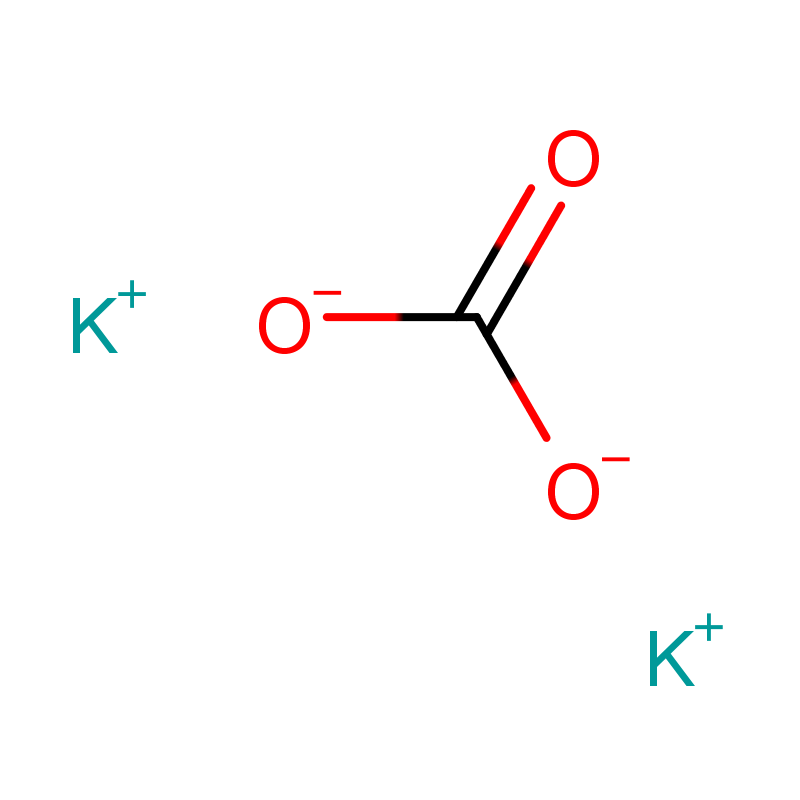
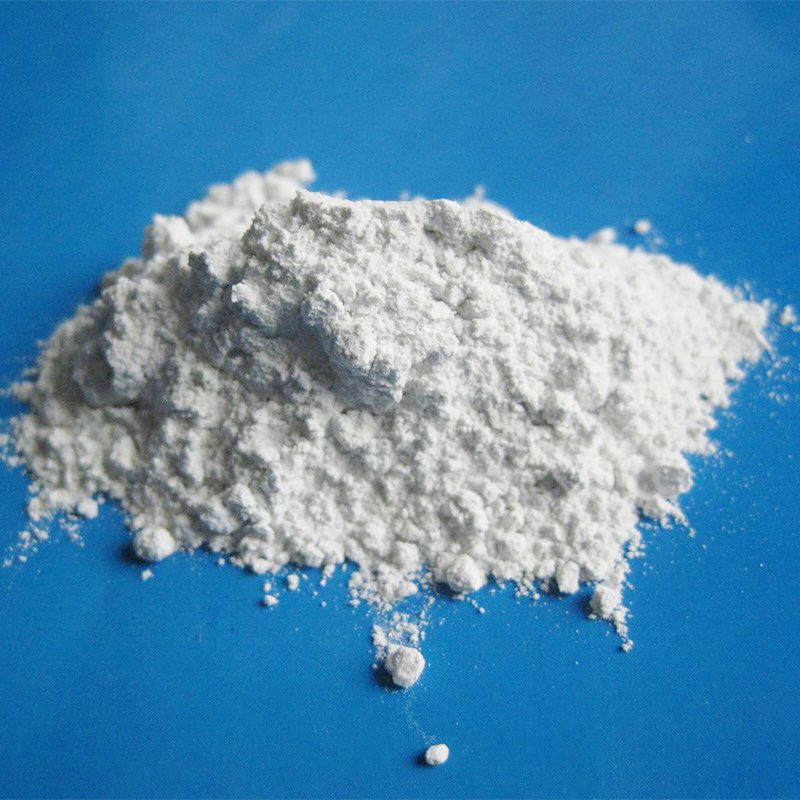
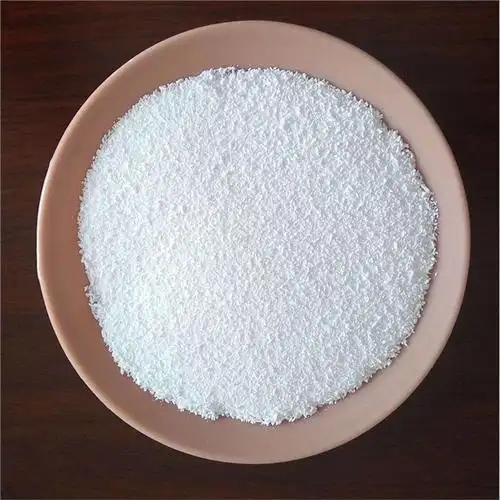
Potassium carbonate (K₂CO₃) is a white, hygroscopic salt that absorbs moisture from the atmosphere, forming a solution or crystalline hydrate. It belongs to the carbonate family, where two potassium cations pair with one carbonate anion.
Stable and non-flammable, potassium carbonate has a high melting point of 891 °C (1,636 °F), making it suitable for high-temperature applications such as glass manufacturing. It is soluble in water, and its solubility increases with temperature, producing a strongly alkaline solution that can neutralize acids. This characteristic is leveraged in buffering and pH regulation processes.
While potassium carbonate solutions are alkaline, they are not as strong a base as hydroxides. When reacting with acids, potassium carbonate produces carbon dioxide and water, a typical reaction of carbonates that is utilized in industries like beverage production, where carbonation is required.
At the molecular level, the carbonate ion (CO₃²⁻) consists of a central carbon atom bonded to three oxygen atoms in a trigonal planar shape. The resonance structures of this ion contribute to its stability and reactivity. The strong ionic bonds between the potassium ions (K⁺) and the carbonate ion maintain the compound’s solid form at room temperature.
In aqueous solutions, potassium carbonate reaches an equilibrium with potassium bicarbonate (KHCO₃), a reaction that depends on temperature. This equilibrium is important in understanding the compound's buffering capacity in various contexts, including in soils and certain food products.
Additionally, potassium carbonate reacts with carbon dioxide to form potassium bicarbonate, contributing to the carbon cycle and acting as a buffer in environmental processes. It can also interact with metal ions in solution, forming insoluble precipitates, which plays a key role in water softening and purification processes.