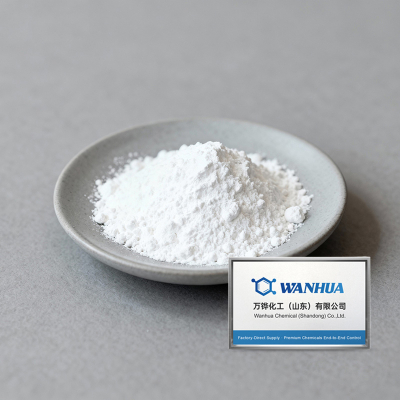
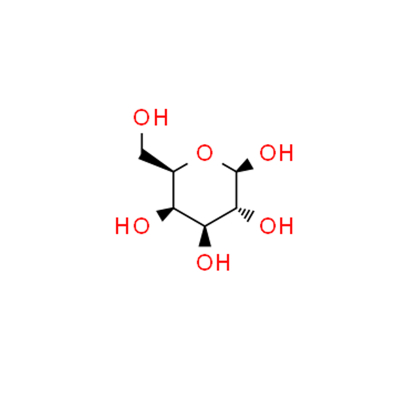
Key Uses of Sodium Bicarbonate CAS#144-55-8 and Growth Factors in the Food Industry
Sodium bicarbonate, commonly known as baking soda, continues to play an essential role in the global food industry, with its range of applications steadily expanding in response to clean-label and sustainability trends.
Market analysis shows that food-grade sodium bicarbonate is expected to account for more than 45% of the global market by 2028, supported by strong growth in organic baked goods, functional beverages, and preserved foods. Its versatile functions—including leavening, pH adjustment, and preservation—make it an indispensable ingredient in modern food manufacturing.

Bakery & Confectionery:
As a primary leavening agent, sodium bicarbonate reacts with acidic ingredients such as buttermilk or cream of tartar to release carbon dioxide, creating light and airy textures in breads, cakes, and pastries. Its natural origin and mild character help maintain the original flavor of foods, meeting consumer expectations for clean and transparent ingredient labels. It is also crucial in gluten-free formulations, addressing the rising demand from gluten-sensitive consumers. Both artisanal and large-scale bakeries rely on it for consistent product quality and reliable performance.
Beverage Industry:
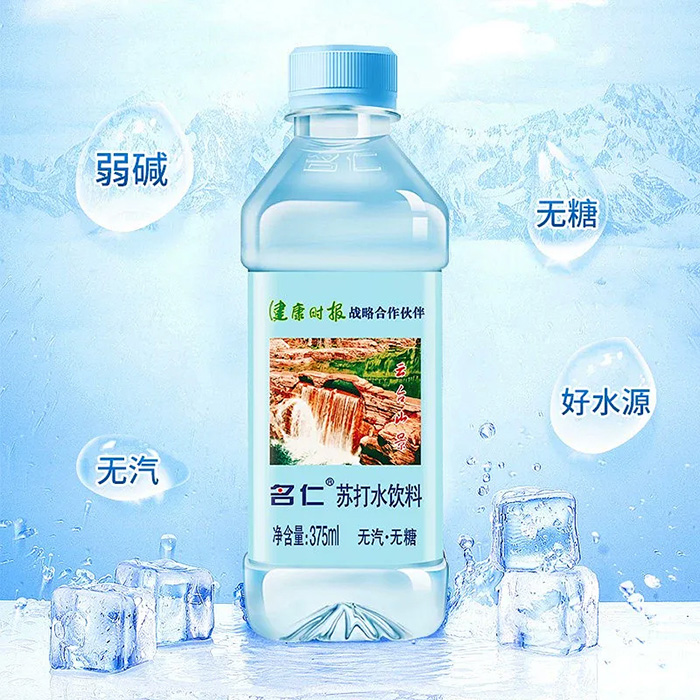
Thanks to its buffering capacity, sodium bicarbonate is widely used to control pH levels in carbonated drinks, sports beverages, and fruit juices, helping prevent flavor deterioration caused by excess acidity and extending shelf life. It improves carbonation performance and supports electrolyte balance in sports drinks. In fermented beverages such as beer and wine, it helps regulate yeast activity, ensuring stable fermentation and uniform product quality. Industry research teams value it as an economical and natural solution for pH management in clean-label beverages.
Market Dynamics:
Demand for high-purity, organically sourced sodium bicarbonate is increasing as clean-label and sustainability priorities gain momentum. Sourced from natural materials and fully biodegradable, it aligns well with environmental goals. Its GRAS certification by both the FDA and EFSA further strengthens regulatory confidence. Although fluctuations in raw material costs pose challenges, manufacturers are addressing these risks through long-term supplier partnerships and sustainable sourcing strategies to maintain supply stability.
Ongoing innovation is further broadening its use, including low-sodium formulations for health-conscious consumers and customized solutions for plant-based foods. From small artisanal producers to multinational food companies, sodium bicarbonate is set to remain a cornerstone ingredient, effectively meeting consumer expectations for natural, safe, and sustainable food products.