Current Status and Production Capacity of the Citric Acid CAS# 77-92-9 Industry
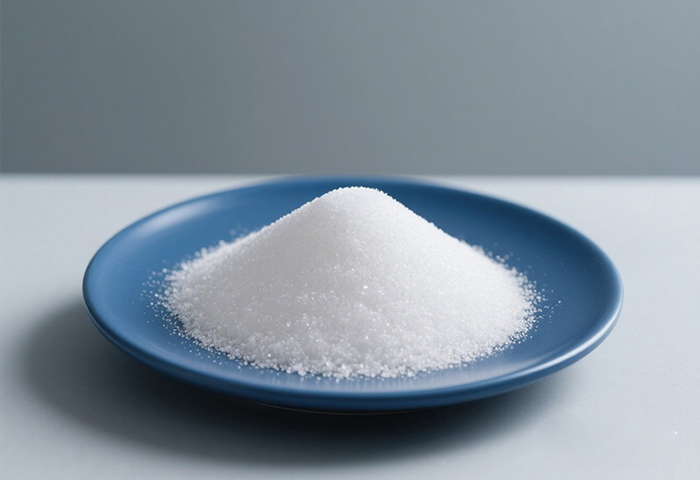
Citric acid, a key organic acid, is the most widely produced organic acid via biochemical fermentation and is a cornerstone of the fermentation industry. It exists primarily as monohydrate and anhydrous forms, appearing as a white crystalline powder with slight hygroscopicity and insolubility in oils. Citric acid finds applications across multiple sectors, including food, chemicals, textiles, livestock, cosmetics, pharmaceuticals, and fine chemicals. In the food and beverage sector, it is celebrated as the "primary edible acidulant" due to its safe profile and excellent sour taste.
2. Application Fields of Citric Acid
2.1 Food and Beverage Industry
As the largest consumer of citric acid, the food and beverage sector accounts for over 60% of total usage. Citric acid functions as an acidulant, flavor enhancer, preservative, and chelating agent. In beverages like carbonated drinks, fruit juices, tea, and functional drinks, it adjusts acidity, improves flavor, and prolongs shelf life. In food processing, it is used in candies, jams, dairy products, and processed meats to balance sweetness, prevent casein precipitation, and enhance product stability.
2.2 Pharmaceutical Industry
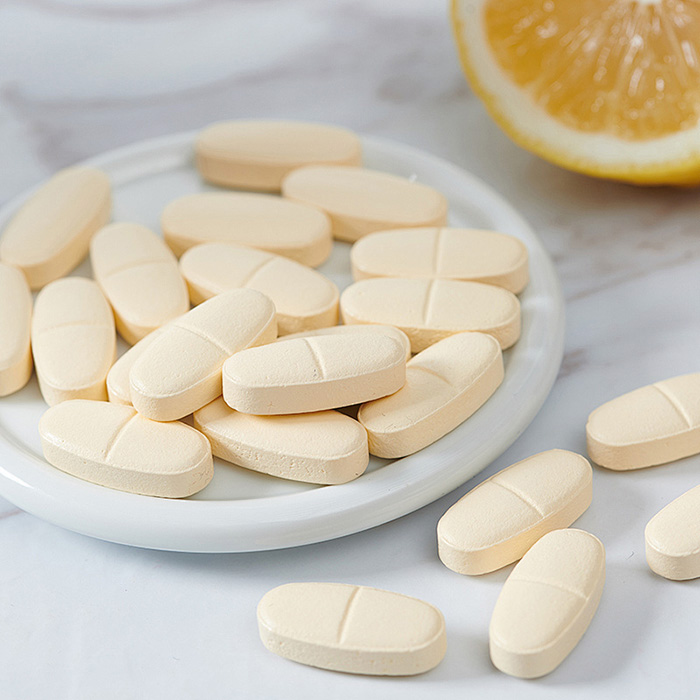
Citric acid serves as an excipient and pH regulator in pharmaceuticals, stabilizing preparations and ensuring compatibility with human physiology. It is widely used in oral liquids, injections, tablets, and capsules. Citric acid and its salts (e.g., sodium citrate) have anticoagulant properties for blood transfusions and laboratory tests. It also aids in the production of antibiotics and vitamins by supporting the synthesis and purification of active ingredients.
2.3 Daily Chemical Industry
In cosmetics, detergents, and personal care products, citric acid acts as a pH adjuster to maintain product stability and enhance the absorption of active ingredients. In detergents, it chelates metal ions (e.g., calcium, magnesium), softens water, improves cleaning efficiency, and reduces environmental harm from residual detergents. It is also used in toothpaste, shampoos, and other daily chemical products.
2.4 Chemical Industry
Citric acid is used as a chelating agent, catalyst, and intermediate. It prevents scale and removes heavy metals in water treatment, cleans metals without damaging surfaces, and participates in producing plasticizers, surfactants, and other chemical products. Its derivatives are increasingly applied in fine chemical manufacturing.
2.5 Livestock and Poultry Industry
As a feed additive, citric acid adjusts gastrointestinal pH, boosts digestive enzyme activity, promotes nutrient absorption, enhances immunity, and inhibits harmful bacteria. It improves growth performance and product quality for pigs, chickens, cattle, and other livestock.
2.6 Emerging Fields
Citric acid is increasingly applied in environmental protection (e.g., flue gas desulfurization and denitrification) and new energy (e.g., battery electrolytes). In textiles, it improves dyeing quality and color fastness.
3. Global Citric Acid Industry Status
3.1 Production Capacity Distribution
Global production is concentrated in the Asia-Pacific, North America, and Europe, with Asia-Pacific as the largest market. China dominates the industry, benefiting from low labor costs, abundant raw materials, and large-scale production. Global production exceeds 2 million tons annually, growing 3–4% per year, with China contributing over 70%.
3.2 Market Size and Growth
In 2023, the global citric acid market reached $2.182 billion and is projected to grow at a CAGR of 5.57% through 2028, driven by rising demand in food, beverage, pharmaceuticals, and daily chemicals.