Aloe Vera: Analysis of Its Natural Components
Aloe vera is abundant in natural compounds. Polysaccharides, for instance, can form a protective layer that helps retain moisture in the skin. Amino acids play a crucial role in the regeneration and repair of skin cells, contributing to collagen production and maintenance. Aloe vera also includes vitamins such as vitamin C, E, and A. These vitamins act as potent antioxidants, neutralizing free radicals and minimizing wrinkles and other skin issues caused by oxidative damage.
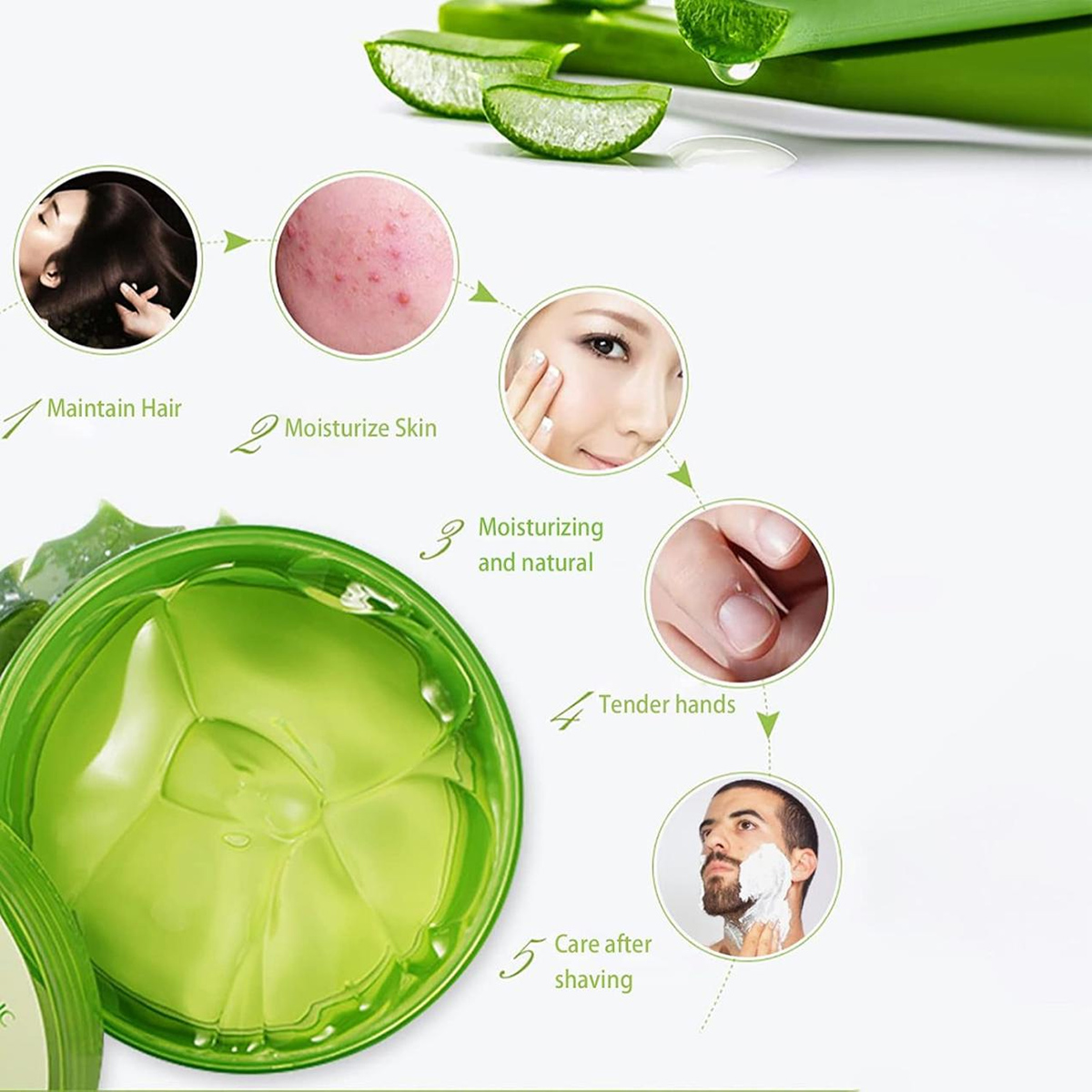
Research on Skincare (Moisturizing, Anti-inflammatory, Repairing)
Aloe vera is widely recognized for its exceptional moisturizing effects. Its polysaccharide content can absorb and retain significant amounts of water, ensuring prolonged skin hydration. Additionally, aloe vera exhibits anti-inflammatory properties. Specific bioactive compounds help alleviate inflammation, including redness, swelling, and irritation, while also soothing conditions like sunburns and allergic reactions. Furthermore, aloe vera supports skin healing by speeding up recovery, stimulating cell renewal, and restoring damaged skin to a healthy condition.
♣ How to Test Skin Tolerance (Ear/Arm Test)
Before applying aloe vera directly to the face, it’s essential to perform a skin patch test. You can select a small area behind the ear or on the inner arm, apply a small amount of aloe vera gel or juice, and observe for 15–30 minutes. If no redness, itching, stinging, or other signs of irritation occur, the skin is generally considered tolerant to aloe vera. However, if any adverse reactions appear, discontinue use or seek professional advice.
♣ Key Steps: Peeling, Juicing, and Filtration
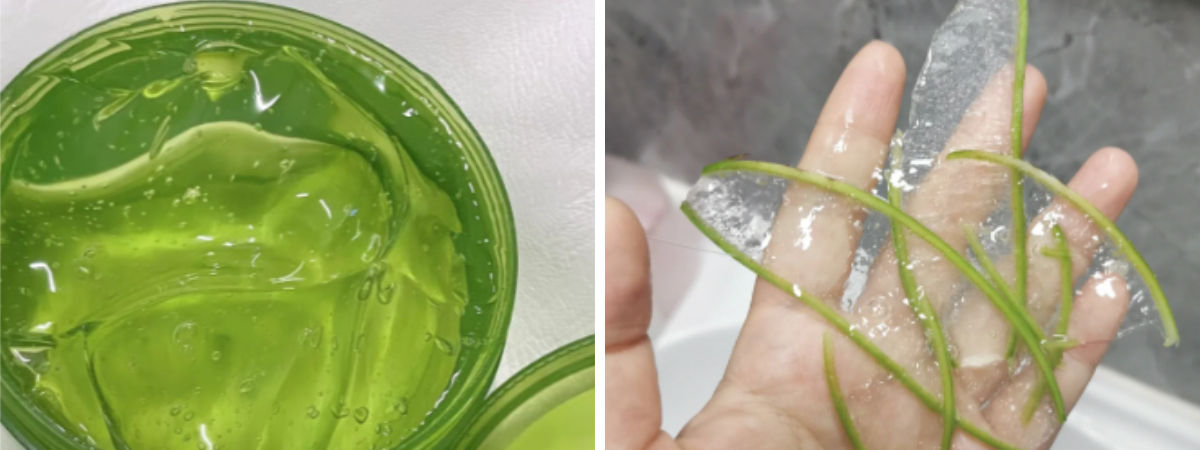
First, select fresh, mature aloe vera leaves and rinse them thoroughly. Next, carefully slice off the outer green skin of the leaf using a knife, taking care to avoid pricking your hands. Once peeled, cut the aloe into small pieces and blend them in a juicer or mash them with a spoon to extract the juice. To eliminate impurities, strain the juice through a clean cloth or fine sieve, producing pure aloe vera liquid. This step helps minimize potential skin irritation.
♣ Suitable Skin Types & Precautions (Caution for Sensitive Skin)
Aloe vera juice is particularly beneficial for oily and combination skin, as it helps regulate sebum production, hydrate, and balance the skin’s moisture levels. However, those with sensitive skin should exercise caution. Since sensitive skin has a weaker barrier, certain compounds in aloe vera may trigger allergies, leading to increased redness or itching. Additionally, if the skin is damaged, inflamed, or in a compromised state—regardless of skin type—direct application of aloe vera should be avoided.
Effective Aloe Vera Skin Care Recipes
Recipe 1: Aloe Vera + Hyaluronic Acid = Deep Hydrating Serum
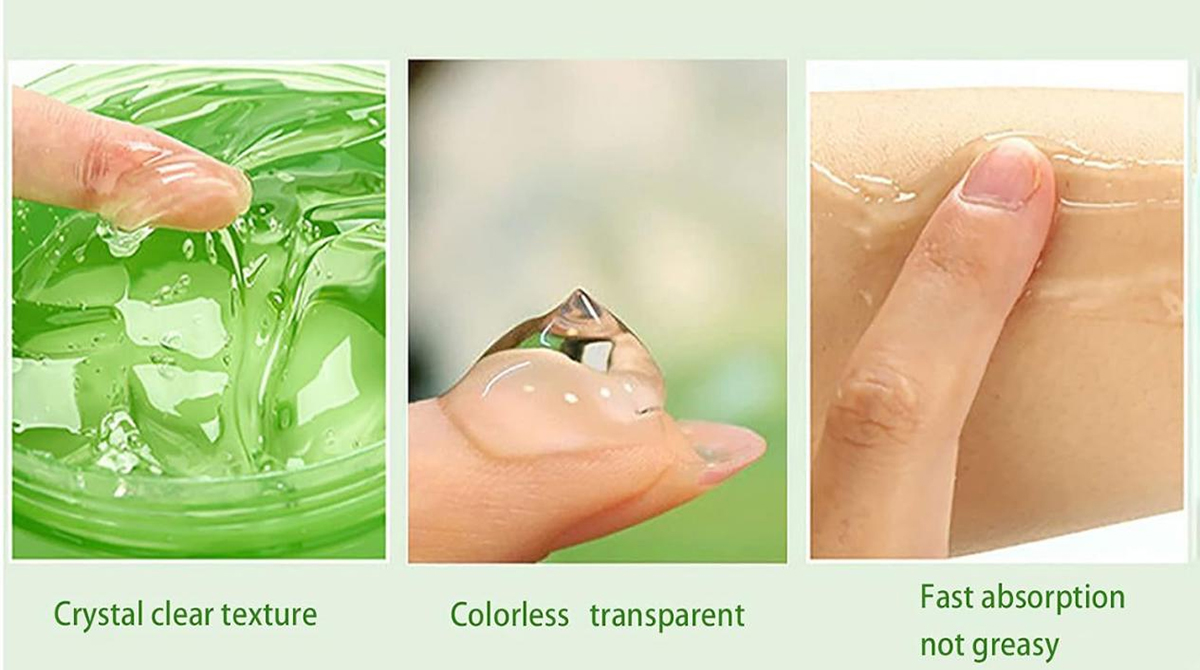
Combine aloe vera extract with hyaluronic acid in proper proportions. While aloe vera forms a moisture-locking barrier for surface hydration, hyaluronic acid's remarkable water-binding capacity draws moisture from both the environment and deeper skin layers. This dual-action formula delivers intensive, long-lasting hydration for plump, supple skin.
Recipe 2: Aloe Vera + Vitamin E = Antioxidant Repair Cream
Blend aloe vera extract with vitamin E to create a nourishing cream. This combination harnesses aloe's regenerative properties with vitamin E's free radical-fighting power, repairing damaged cells while protecting against UV and environmental stressors. The result is strengthened, radiant skin with reduced visible aging signs.
Recipe 3: Aloe Vera + Tea Tree Oil = Acne-Fighting Gel
Aloe vera's anti-inflammatory benefits synergize with tea tree oil's potent antibacterial action in this targeted gel formula. It effectively combats acne-causing bacteria, soothes existing breakouts, and reduces redness without over-drying. The lightweight texture allows spot treatment without clogging pores.
Recipe 4: Aloe Vera + Honey = Nourishing Hydration Mask
Create a revitalizing mask by mixing aloe vera juice with raw honey. Honey's natural humectant and antimicrobial properties amplify aloe's moisturizing effects while delivering essential nutrients. This treatment leaves skin exceptionally soft, smooth, and relieved of dryness.
Recipe 5: Aloe Vera + Niacinamide = Brightening Lotion
This powerful pairing combines aloe vera's calming hydration with niacinamide's pigment-correcting abilities. It works to suppress melanin production while accelerating its breakdown, effectively fading dark spots and evening skin tone for a luminous, healthy-looking complexion.