Global Aluminum Hydroxide Market Insights (CAS#21645-51-2) and Industry Trends —New Energy and Environmental Policies Drive Structural Demand Shifts
1. Global Supply-Demand Dynamics: Rising Flame Retardant Needs and Raw Material Fluctuations
In 2023, the global aluminum hydroxide market is shaped by uneven demand and higher production expenses. As a key material for inorganic flame retardants, its supply chain is heavily influenced by bauxite pricing and policies in the renewable energy and construction industries.
Bauxite Supply Challenges: Political unrest in Guinea and Indonesia’s bauxite export ban (enforced June 2023) have increased global bauxite prices by 12%, pushing aluminum hydroxide production costs up by 8–10% year-on-year (CRU data).
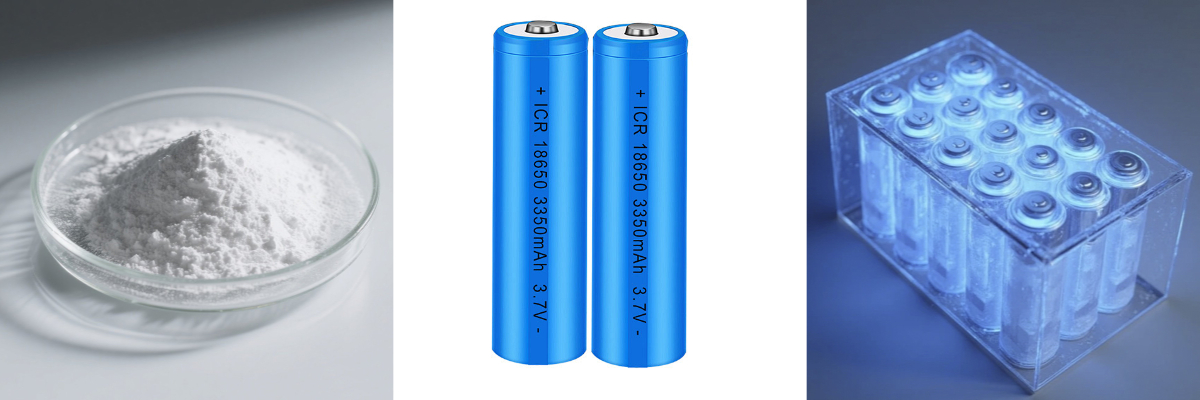
Flame Retardant Expansion: The EU’s updated Construction Products Regulation (CPR 2023) imposes stricter fire safety requirements for building materials, elevating European demand for aluminum hydroxide flame retardants by 18%. Meanwhile, China’s revised New Energy Vehicle Battery Safety Standards are driving demand for flame-retardant coatings in lithium battery packs, with domestic aluminum hydroxide consumption expected to surpass 1.2 million tons in 2023 (China Flame Retardant Materials Association).
2. Production Trends: China Leads Supply as Sustainable Methods Rise
China, benefiting from cost-efficient bauxite and streamlined supply chains, continues to dominate global aluminum hydroxide production (62% of total capacity) despite tightening environmental policies.
Capacity Adjustments: In 2023, Chalco (Aluminum Corporation of China) inaugurated a 500,000-ton/year low-sodium aluminum hydroxide facility in Guangxi, catering to high-end flame retardants and electronic materials. Smaller manufacturers in Shandong phased out roughly 300,000 tons of production due to environmental constraints.
Eco-Friendly Production Advances: Germany’s Nabaltec and Norway’s Hydro have jointly introduced a carbon-neutral aluminum hydroxide method using clean energy and carbon capture, reducing emissions by 70% compared to conventional techniques. This innovation has drawn procurement interest from BMW and BASF.
3. Emerging Applications: From Flame Retardants to High-Tech Industries
Aluminum hydroxide is gaining traction in high-value sectors due to its environmentally friendly properties:
Lithium Battery Safety Enhancements: CATL’s September 2023 patent for an aluminum hydroxide-ceramic composite separator improves battery thermal stability, increasing demand for high-purity aluminum hydroxide (Fe <50ppm), which sells at a 40% premium over standard industrial-grade products.
5G Electronic Components: Japan’s Denka has engineered low-dielectric aluminum hydroxide fillers for 5G base station PCB substrates. The global electronic-grade market is projected to hit $870 million in 2023 (Grand View Research).
Pharmaceutical and Environmental Solutions: FDA approval of aluminum hydroxide as an antacid excipient has boosted U.S. pharmaceutical-grade imports by 15% YoY. In wastewater treatment, aluminum hydroxide gel adsorbents now hold 22% of the EU’s heavy metal removal market.
4. Regulatory and Trade Hurdles: Carbon Policies and Certification Demands
EU Carbon Border Measures: Since October 2023, aluminum hydroxide imports into the EU require full carbon footprint disclosure. Chinese products manufactured through high-energy processes incur extra costs of €12–15/ton.
Sustainable Bauxite Initiatives: The International Aluminium Institute (IAI), Rio Tinto, and Alcoa introduced the Responsible Aluminium Bauxite Initiative (RABI), urging Indonesian and Australian miners to expedite certifications for EU market entry.
5. Pricing Trends and Future Projections
As of October 2023, regional price variations remain:
China Industrial-Grade: East China ex-works prices stand at CNY 2,300–2,500/ton, a 6% YoY increase.
European Flame Retardant-Grade: CIF Rotterdam prices range €580–620/ton, up 10% due to energy expenses and CBAM effects.
North American Pharmaceutical-Grade: FOB prices sit at $1,800–2,000/ton, climbing 12% following FDA regulations.
Outlook: The global aluminum hydroxide market is forecast to grow at a 4.8% CAGR through 2025 (Mordor Intelligence), with lithium battery and electronic-grade products accounting for 35% of total demand. Firms must focus on sustainable production, high-purity advancements, and strategic partnerships to address regulatory and cost pressures.