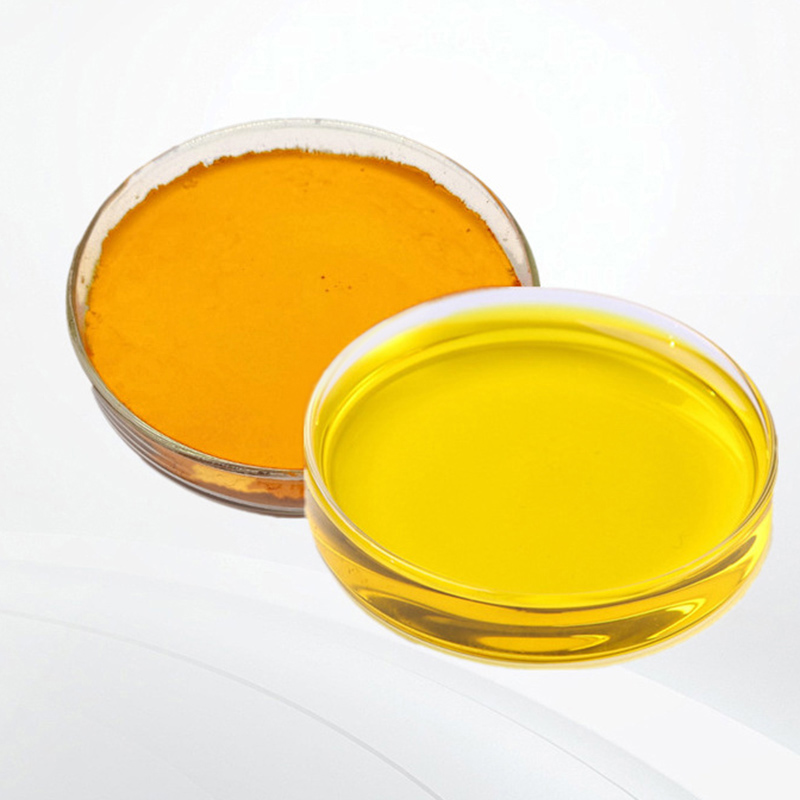
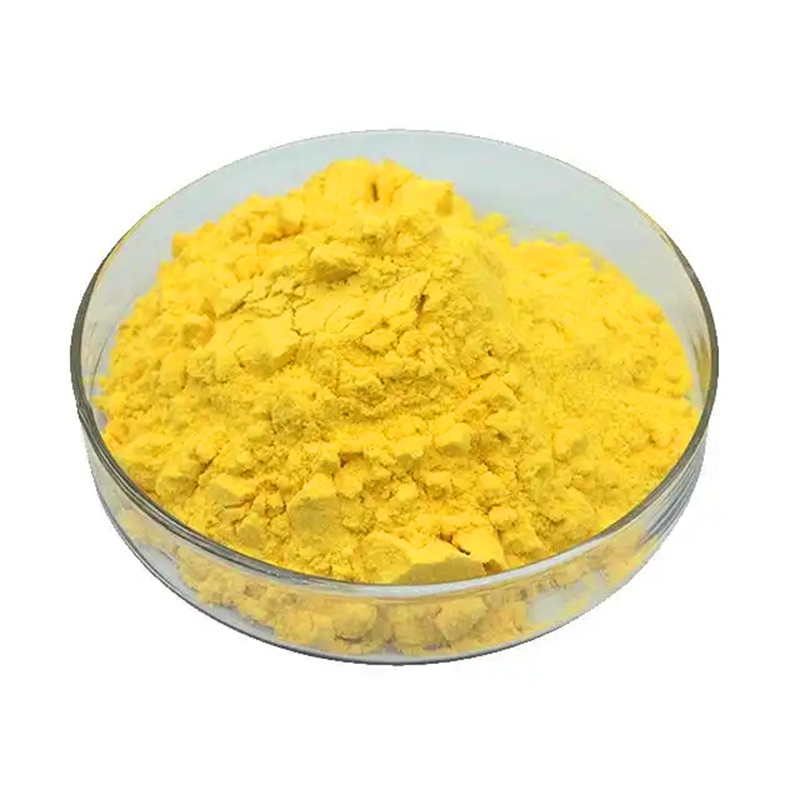
Tartrazine CAS#1934-21-0
Widely Used: Lemon Yellow is the most popular synthetic food pigment globally, extensively used in food, beverages, pharmaceuticals, and cosmetics.
Versatile Applications: Beyond food, it is also used in animal feed, tobacco, and medical treatments, demonstrating its broad industrial applicability.
Excellent Coloring: The pigment delivers a bright yellow color, making it ideal for vibrant food and product presentations.
Stable and Safe: It is stable at room temperature, non-volatile, and safe when used within approved guidelines, offering consistent performance.
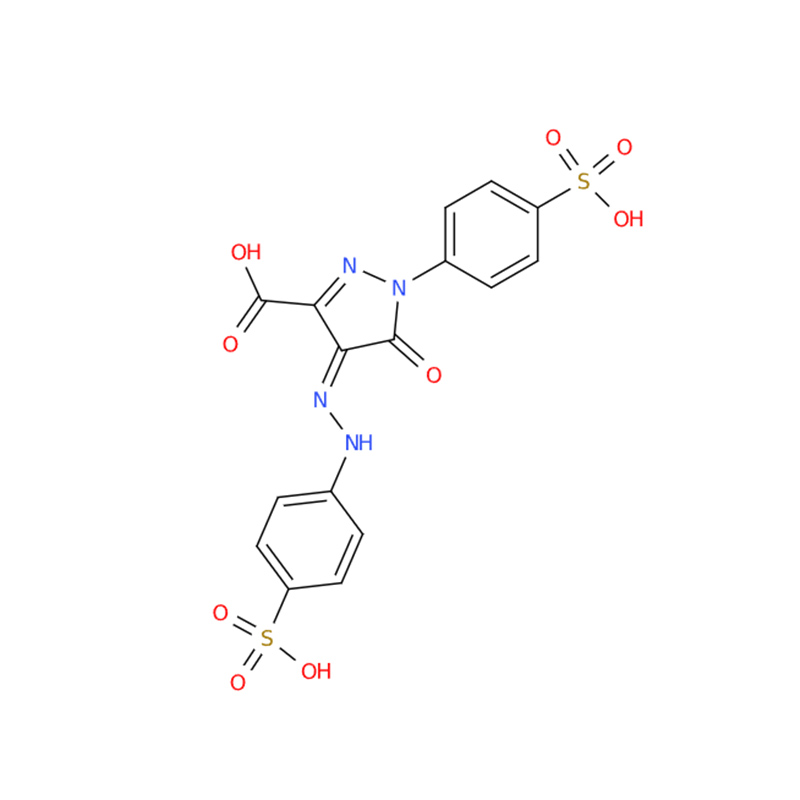
Lemon Yellow is one of the three primary edible synthetic pigments and holds the distinction of being the most widely used synthetic pigment globally for food coloring. Its chemical name is 1-(4-phenylsulfonate)-4-(4-phenylsulfonate azo)-5-pyrazolone-3-carboxylic acid trisodium salt.
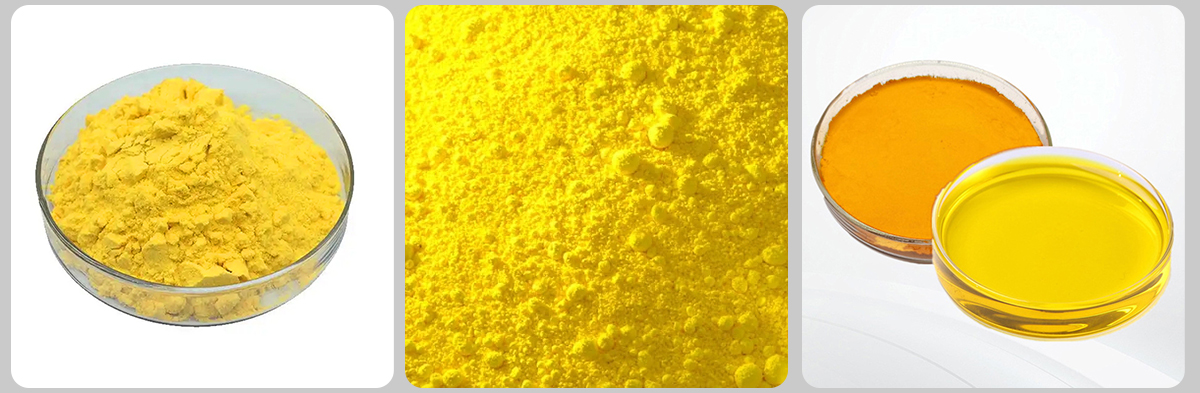
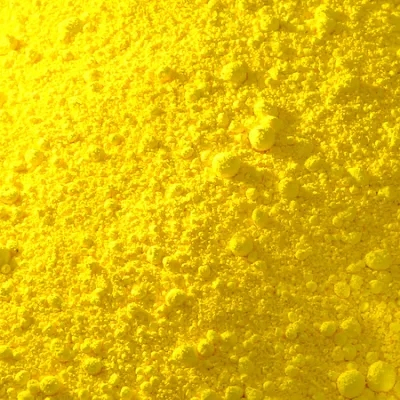
This pigment appears as a bright yellow powder or granules and features an azo heterocyclic structure. Due to its excellent coloring properties and safety profile, Lemon Yellow is extensively applied not only in food and beverages but also in pharmaceuticals, cosmetics, animal feed, and tobacco products, making it a versatile choice across multiple industries.
Parameters
Melting point | 300 °C |
Boiling point | 909.54℃[at 101 325 Pa] |
density | 2.121[at 20℃] |
vapor pressure | 0Pa at 25℃ |
storage temp. | room temp |
solubility | DMSO (Sparingly, Heated), Water (Slightly) |
Colour Index | 19140 |
form | Powder |
color | Orange |
Water Solubility | 260 g/L (30 ºC) |
Sensitive | Hygroscopic |
Merck | 14,9072 |
BRN | 69850 |
Stability: | Stable. Hygroscopic. Incompatible with strong oxidizing agents. |
Biological Applications | Treating hepatitis,periodontal disease,psoriasis |
LogP | -1.572 at 20℃ |
EPA Substance Registry System | Tartrazine (1934-21-0) |
Safety Information
Hazard Codes | Xn |
Risk Statements | 42/43 |
Safety Statements | 22-36/37-45-24/25 |
WGK Germany | 1 |
RTECS | UQ6400000 |
TSCA | Yes |
HS Code | 32129000 |
Hazardous Substances Data | 1934-21-0(Hazardous Substances Data) |
Toxicity | LD50 oral in mouse: 12750mg/kg |