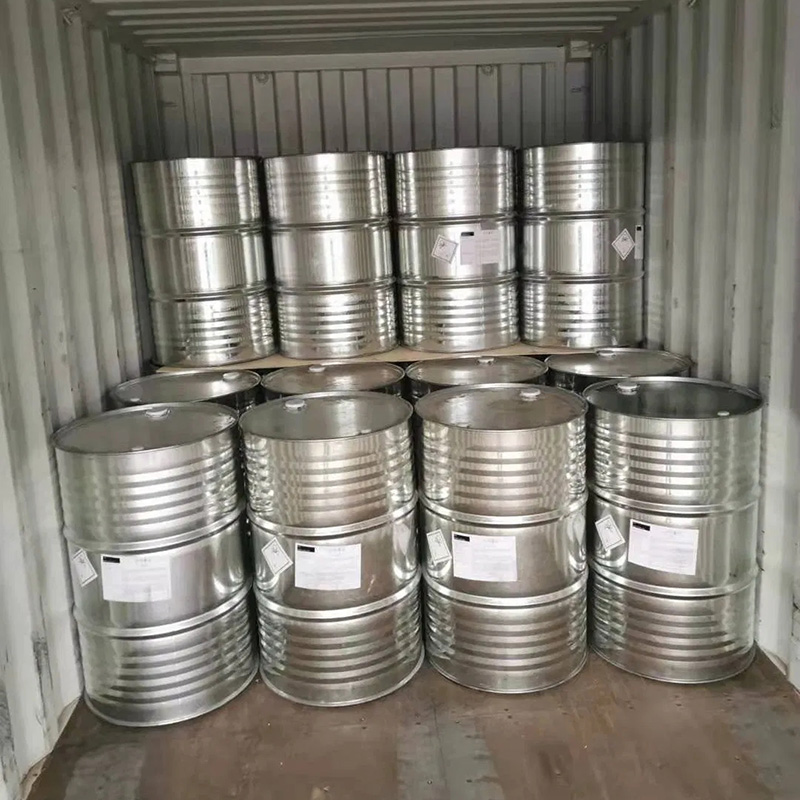
Benzyl alcohol CAS#100-51-6
Excellent Solvent Properties: Benzyl alcohol is a polar, low-toxic solvent with low vapor pressure, making it suitable for use as an effective alcohol solvent in various chemical and industrial applications.
Good Compatibility with Organic Compounds: It is miscible with multiple organic solvents such as ethanol, ether, benzene, and chloroform, providing versatility in formulation and processing.
Natural Occurrence and Mild Aroma: Benzyl alcohol naturally occurs in essential oils such as jasmine, ylang-ylang, and hyacinth, offering a faint aromatic scent desirable in perfumes and cosmetics.
Stable Chemical Characteristics: As the simplest phenyl-containing fatty alcohol, benzyl alcohol exhibits a stable molecular structure and favorable physical properties, including moderate viscosity and low volatility.
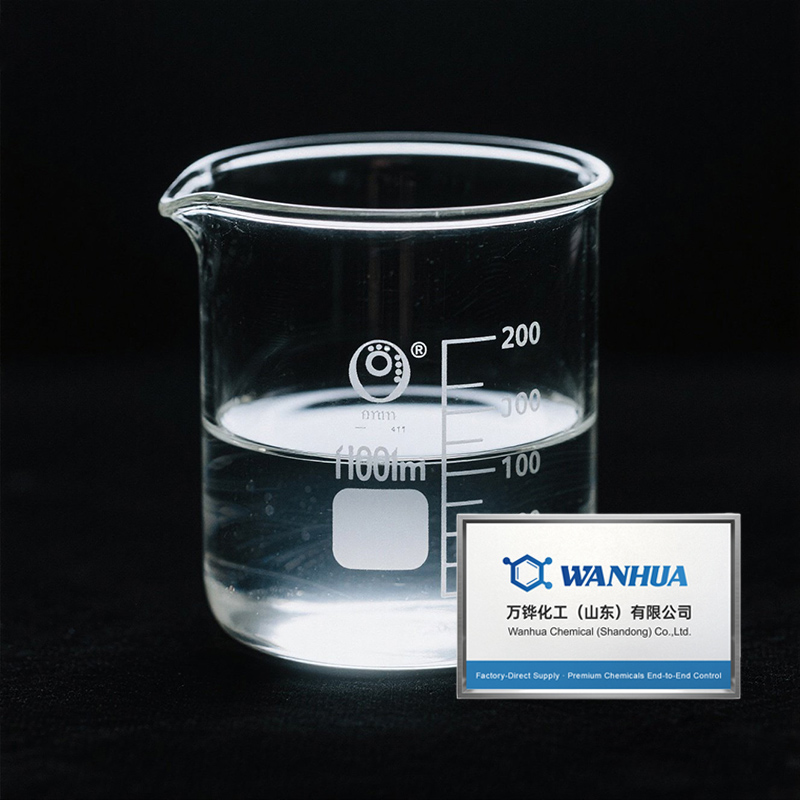
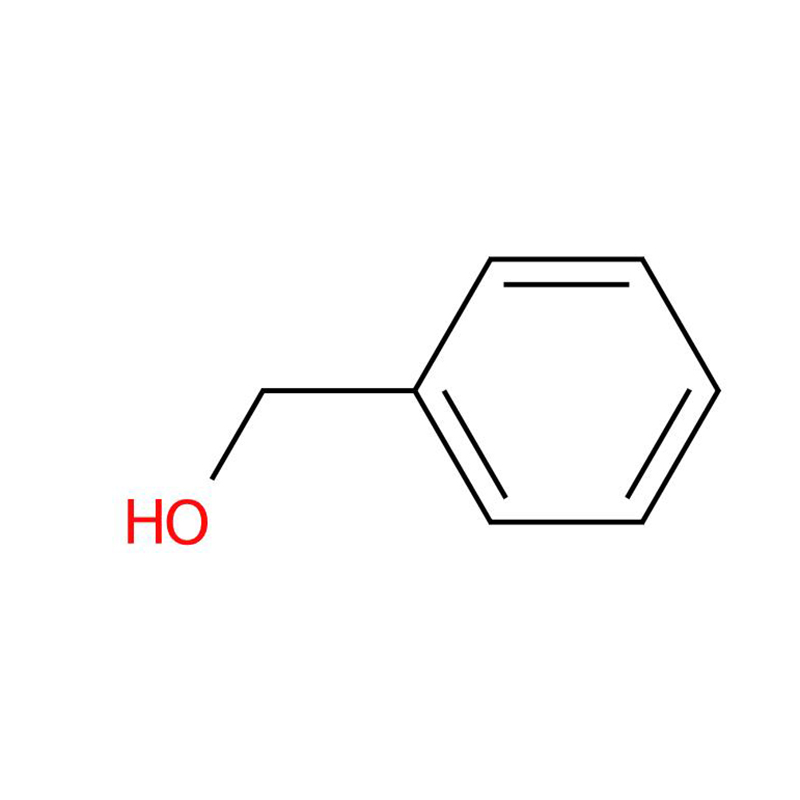
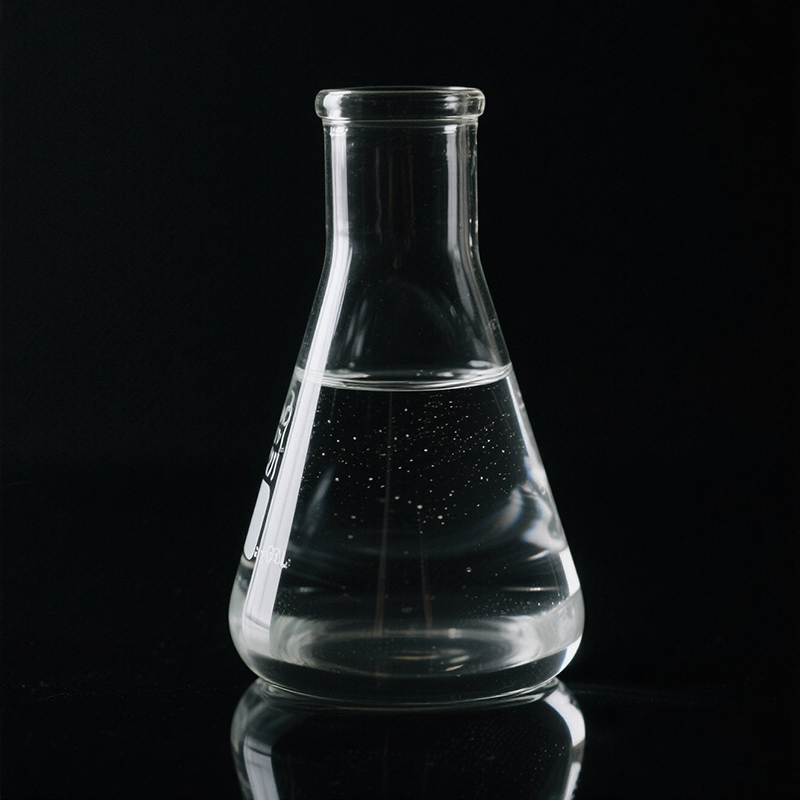
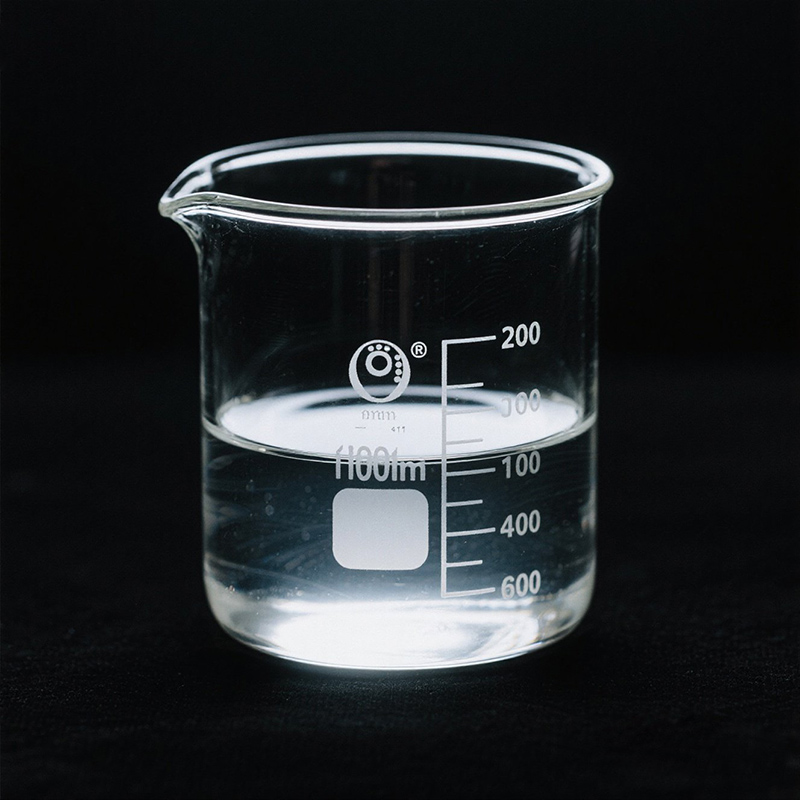
Benzyl alcohol (chemical formula: C₆H₅CH₂OH) is a colorless, transparent, and viscous liquid with a mild aromatic scent. It has a density of 1.045 g/mL at 25°C (lit.). As the simplest phenyl-containing fatty alcohol, it can be viewed as hydroxymethyl-substituted benzene or phenyl-substituted methanol.
When stored for extended periods, benzyl alcohol may develop a faint bitter almond odor due to gradual oxidation. It is a polar compound with low toxicity and low vapor pressure, making it a valuable solvent in various chemical applications. The substance is flammable and exhibits limited solubility in water (approximately 1 gram dissolves in 25 mL of water), but it is miscible with many organic solvents, including ethanol, ether, benzene, and chloroform.
In nature, benzyl alcohol occurs both in free form and as esters within essential oils such as jasmine, ylang-ylang, frangipani, hyacinth, moonflower, Peru balsam, and Tolu balsam. Because it oxidizes slowly in air to form benzaldehyde and anisole, commercial benzyl alcohol products often carry a subtle almond-like aroma. Additionally, it can be further oxidized by strong oxidizing agents (such as concentrated nitric acid) to yield benzoic acid.
Benzyl alcohol possesses mild anesthetic properties but also exhibits irritant effects on the eyes, skin, and respiratory tract. Exposure through ingestion, inhalation, or skin contact can be harmful, leading to symptoms such as headache, nausea, vomiting, gastrointestinal distress, convulsions, or even coma in severe cases. The median lethal dose (LD₅₀) for rats is 1230 mg/kg.
Once inside the human body, benzyl alcohol is first oxidized to benzoic acid and subsequently conjugated with glycine in the liver to form hippuric acid, which is then excreted. It is important to note that intramuscular injections using benzyl alcohol as a solvent may lead to gluteal muscle contracture.
Benzyl alcohol Chemical Properties
Melting point | -15 °C |
Boiling point | 205 °C |
Density | 1.045 g/mL at 25 °C(lit.) |
Vapor density | 3.7 (vs air) |
Vapor pressure | 13.3 mm Hg ( 100 °C) |
Refractive index | n20/D 1.539(lit.) |
FEMA | 2137 | BENZYL ALCOHOL |
Fp | 201 °F |
Storage temp | Store at +2°C to +25°C. |
Solubility | H2O: 33 mg/mL, clear, colorless |
Pka | 14.36±0.10(Predicted) |
Form | Liquid |
Color | APHA: ≤20 |
Relative polarity | 0.608 |
Odor | Mild, pleasant. |
Explosive limit | 1.3-13%(V) |
Odor Type | floral |
Water Solubility | 4.29 g/100 mL (20 ºC) |
Merck | 14,1124 |
JECFA Number | 25 |
BRN | 878307 |
Henry's Law Constant | <2.70 x 10⁻⁷ at 25 °C (thermodynamic method-GC/UV, Altschuh et al., 1999) |
Exposure limits | No exposure limit is set. Because of its low vapor pressure and low toxicity, the health hazard to humans from occupational exposure should be very low. |
Dielectric constant | 13.1(20℃) |
InChIKey | WVDDGKGOMKODPV-UHFFFAOYSA-N |
LogP | 1.05 at 20℃ |
CAS DataBase Reference | 100-51-6(CAS DataBase Reference) |
NIST Chemistry Reference | Benzyl alcohol(100-51-6) |
EPA Substance Registry System | Benzyl alcohol (100-51-6) |
Safety Information
Hazard Codes | Xn,T |
Risk Statements | 20/22-63-43-36/37/38-23/24/25-45-40 |
Safety Statements | 26-36/37-24/25-23-53 |
RIDADR | UN 1593 6.1/PG 3 |
WGK Germany | 1 |
RTECS | DN3150000 |
F | 8-10-23-35 |
Autoignition Temperature | 817 °F |
TSCA | Yes |
HS Code | 29062100 |
Hazardous Substances Data | 100-51-6(Hazardous Substances Data) |
Toxicity | LD50 orally in rats: 3.1 g/kg (Smyth) |
Product Applications of Benzyl Alcohol (CAS #100-51-6)
Benzyl alcohol serves a wide range of industrial and commercial applications. It is commonly used as a preservative in ointments, a desiccant for fibers, nylon yarns, and plastic films, and a stabilizer for polyvinyl chloride (PVC). In the chemical and manufacturing industries, it functions as a photographic developer and a versatile solvent for substances such as acetate, inks, coatings, paints, epoxy resin coatings, dyes, casein, shellac, and gelatin. Additionally, benzyl alcohol acts as an intermediate in the synthesis of benzyl esters and ethers.
In the flavor and fragrance sector, benzyl alcohol is used to prepare spices and flavorings, primarily as esters of fatty acids, and is incorporated into soaps, perfumes, cosmetics, and other personal care products. Due to its refractive index, which is close to that of quartz and wool fibers, benzyl alcohol is also employed as an identifier for quartz and wool fibers.
The hydroxyl group of benzyl alcohol is highly reactive, enabling its use as a fixative and diluent in the spice industry. It can participate in a variety of chemical reactions, such as forming diphenylmethane with benzene, N-benzylacrylamide via the Ritter reaction with acrylonitrile, and benzyl halides when reacted with phosphorus halides or hydrohalic acids. Both benzyl alcohol and benzyl compounds serve as benzyl reagents to introduce benzyl protecting groups to carboxylic acids and hydroxyl groups, which can subsequently be removed via hydrogenation. Furthermore, benzyl alcohol is readily oxidized to benzoic acid by various oxidants, with reaction products (aldehydes or acids) depending on the oxidant concentration and temperature.
In medical applications, benzyl alcohol has historically been used as an anesthetic additive in penicillin injections, often referred to as “painless water”, to reduce pain at the injection site. However, clinical observations revealed a significant side effect: gluteal muscle contracture, caused by the slow absorption and long-term accumulation of benzyl alcohol, which can lead to muscle necrosis and, in severe cases, affect bone development. Due to these safety concerns, in 2005, the State Food and Drug Administration banned the use of benzyl alcohol as a solvent in injectable penicillin.