Anionic/Cationic Polyacrylamide CAS#9003-05-8
High Water Solubility – Easily dissolves in water, making it convenient for use in aqueous applications.
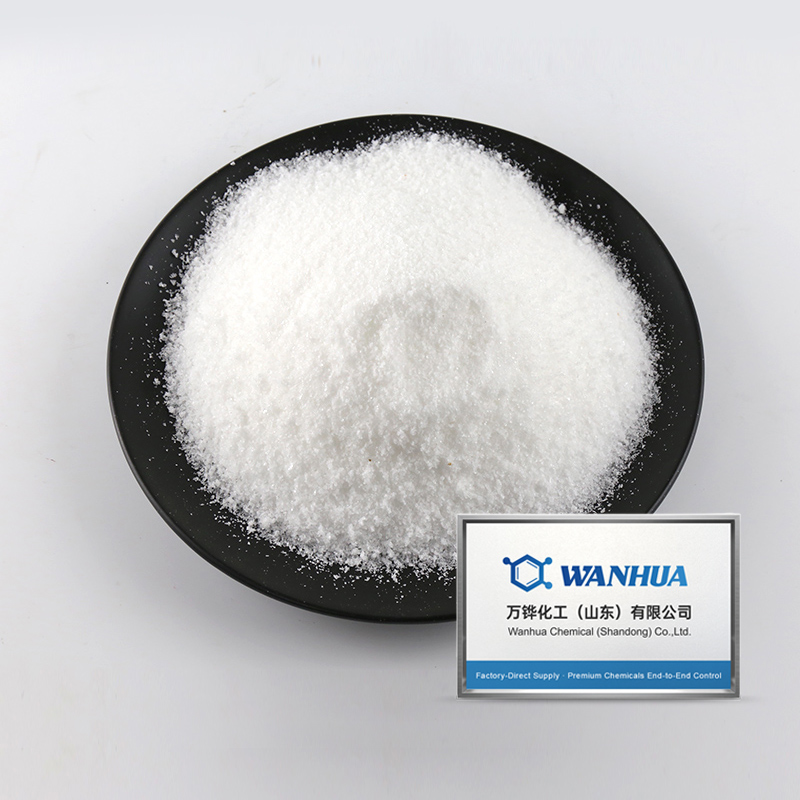
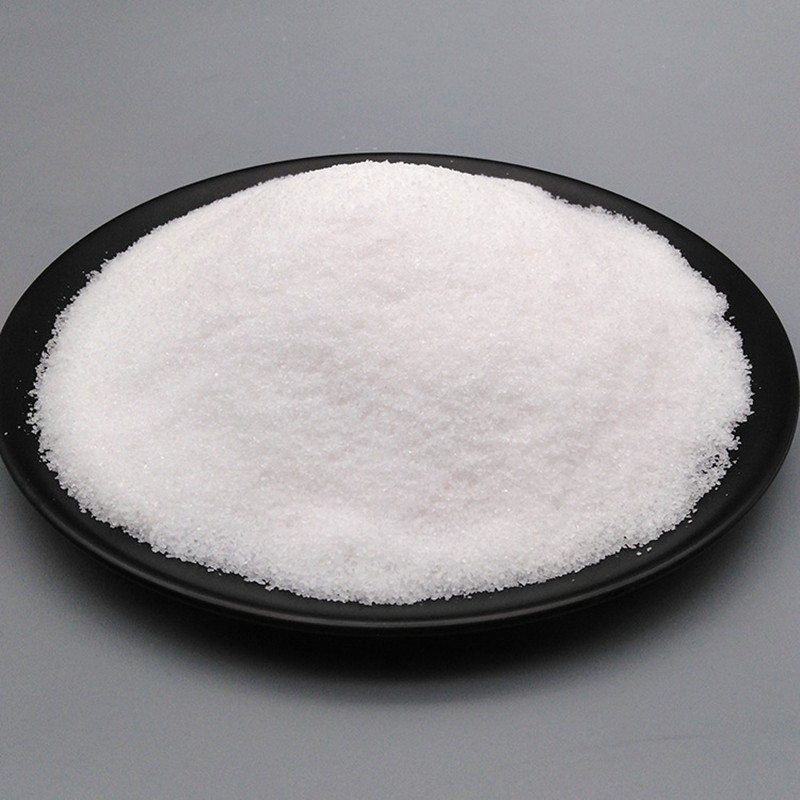
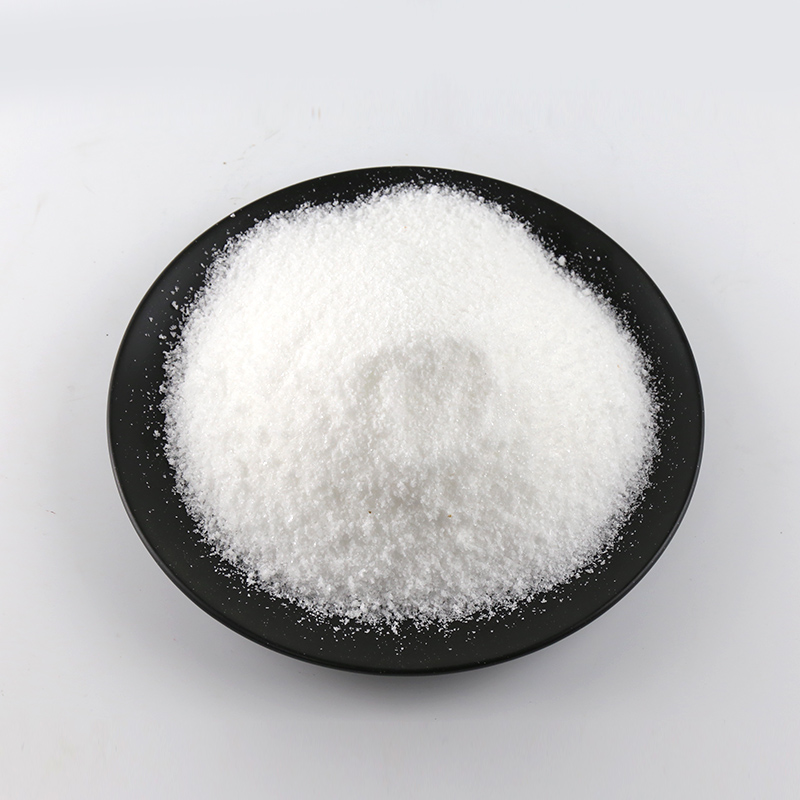
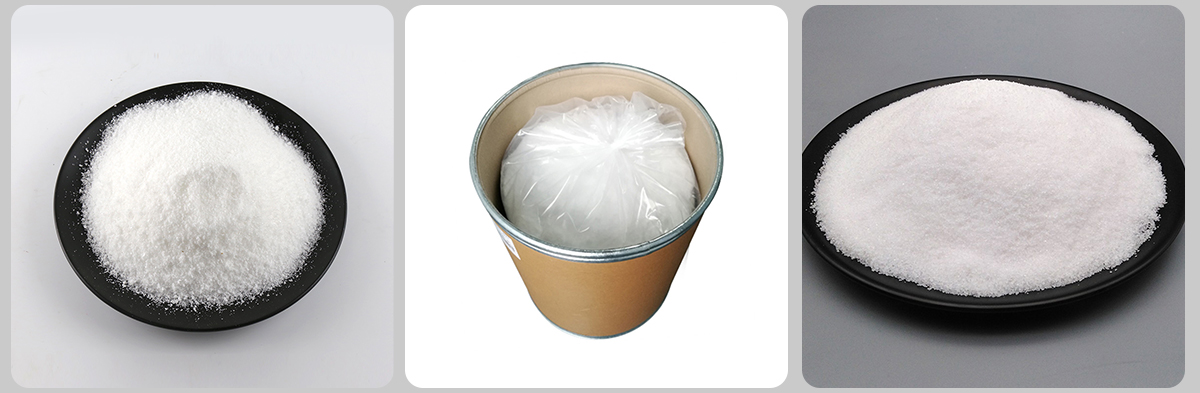
Versatile Forms – Available as white powder or granules, with some slight yellow variants, suitable for different processing needs.
Fast Dissolution – Anionic polyacrylamide dissolves quickly, typically within 60 minutes, ensuring efficient application.
Organic Solvent Resistance – Insoluble in organic solvents, maintaining stability and performance in aqueous systems.
Anionic/Cationic Polyacrylamide (CAS#9003-05-8) is typically available as a white powder or granules, with some products showing a slight yellow tint. It dissolves easily in water but remains insoluble in organic solvents. The dissolution time for anionic polyacrylamide is generally 60 minutes or less.
Polyacrylamide Chemical Properties
Melting point | >300 °C |
Density | 1.189 g/mL at 25 °C |
Tg | 165°C |
Refractive index | n20/D 1.452 |
Fp | >230 °F |
Storage temp | 2-8°C |
Solubility | Water |
Form | Granules |
Color | White to faintly yellow |
Odor | odorless |
Water Solubility | SOLUBLE |
Stability | Stable. Incompatible with strong oxidizing agents, aluminium, copper, iron, iron salts |
EPA Substance Registry System | Polyacrylamide (9003-05-8) |
Safety Information
Hazard Codes | T |
Risk Statements | 45-21/22-36/37/38-42/43 |
Safety Statements | 24/25-45-36/37/39-23-53 |
WGK Germany | 1 |
RTECS | AS3700000 |
TSCA | TSCA listed |
HS Code | 39069010 |
Hazardous Substances Data | 9003-05-8(Hazardous Substances Data) |
Toxicity | LD50 oral in rabbit: 11250mg/kg |
Product Usage
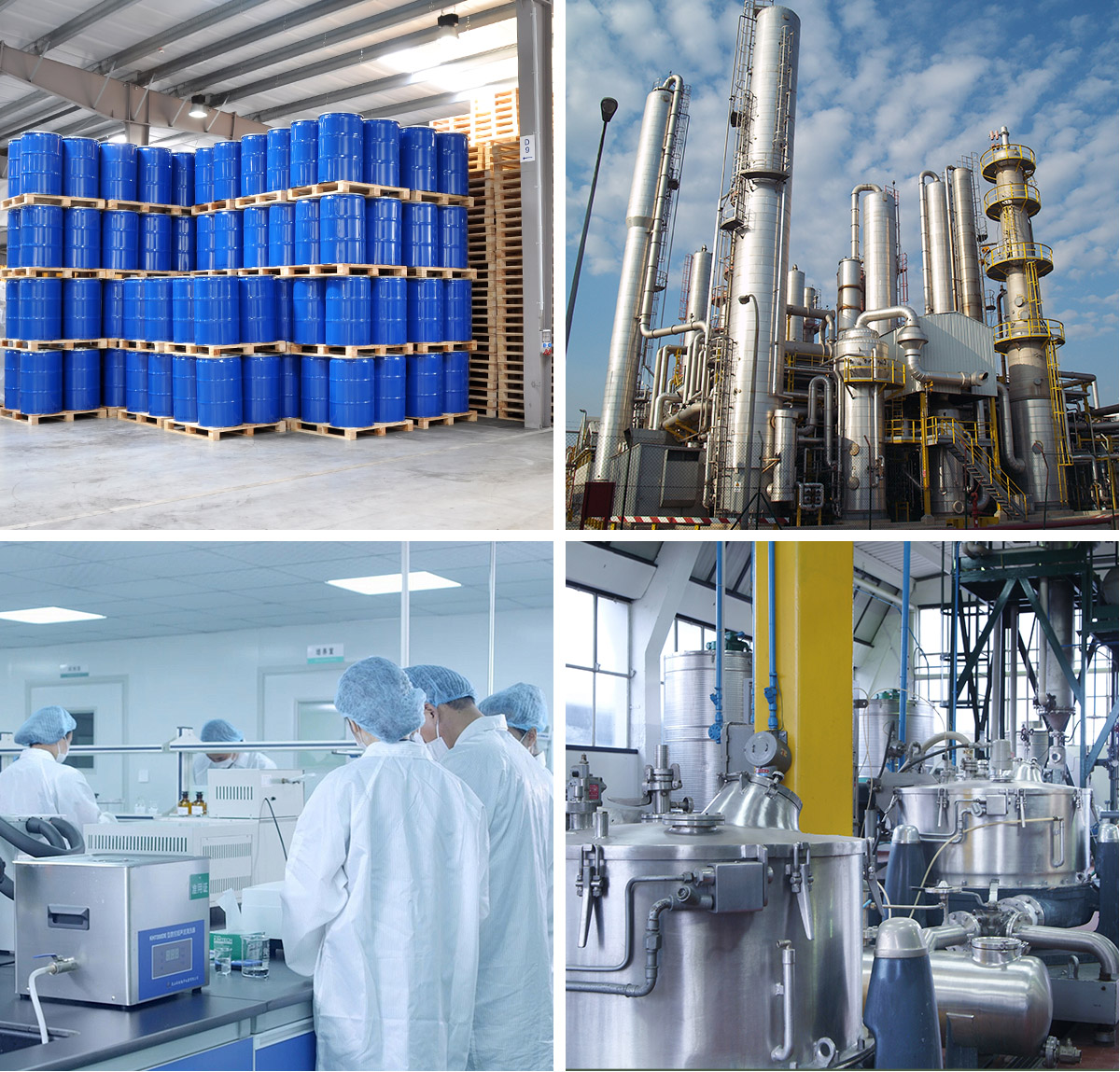
Polyacrylamide is used in water treatment and solid-liquid separation processes, including flocculation, sedimentation, and air flotation of industrial wastewater from steel, electroplating, coal washing, and other industries. It is also applied in the purification of drinking water.