
Abscisic Acid CAS#21293-29-8
Solubility Versatility: Abscisic Acid (CAS# 2129-3-29-8) is highly soluble in various solvents like sodium bicarbonate solution, chloroform, acetone, ether, and ethyl acetate, offering flexibility in different applications.
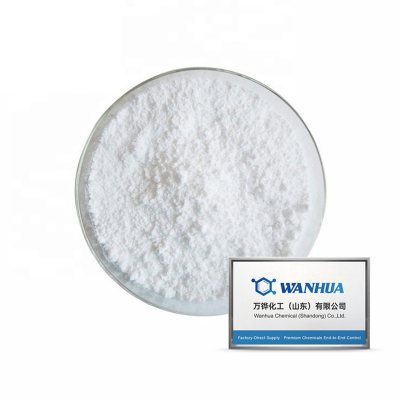
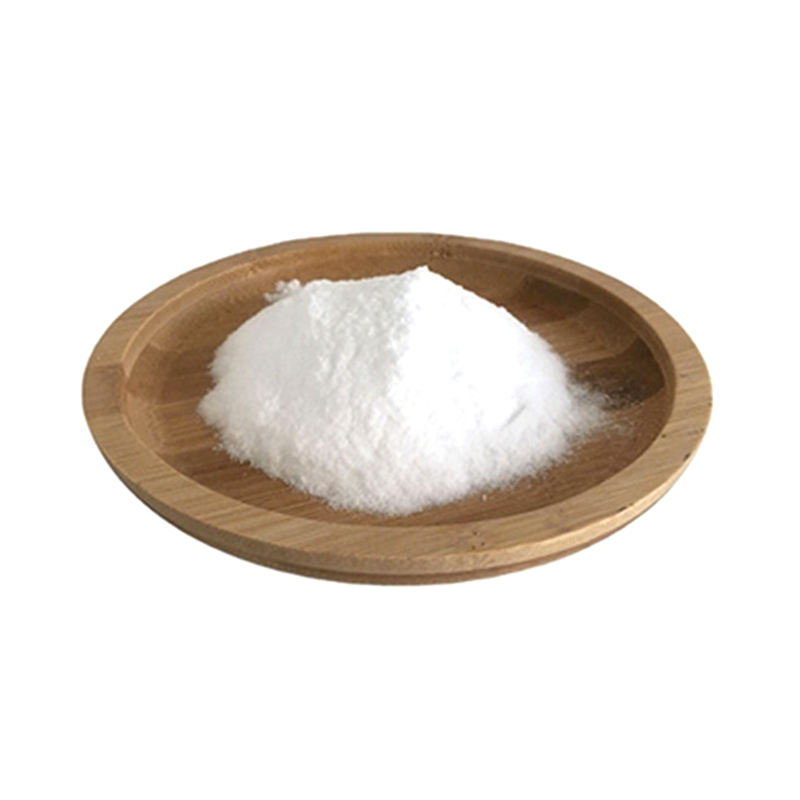
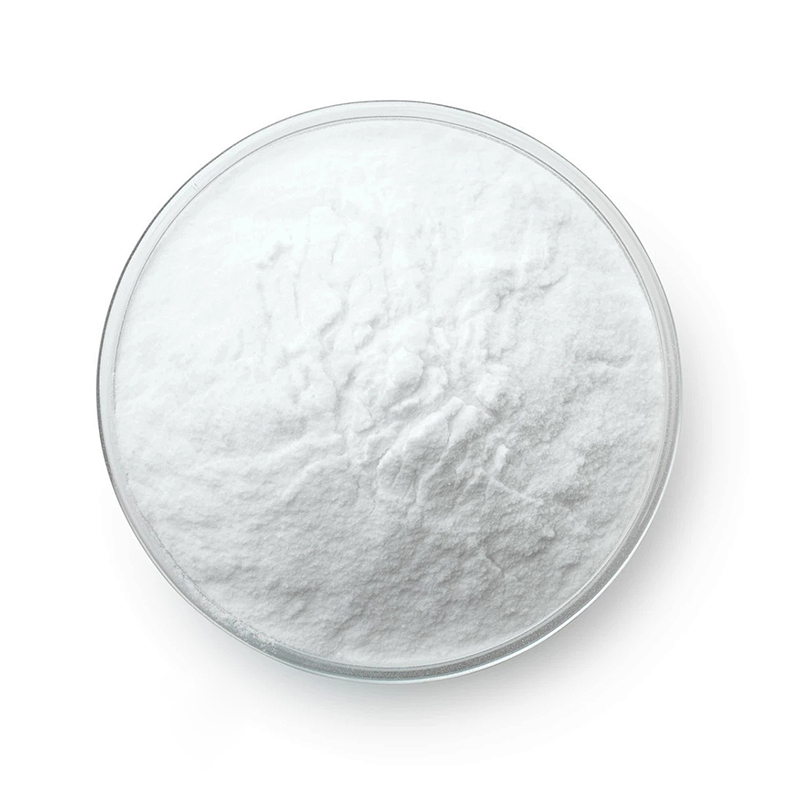
White/Off-White Powder: The compound comes in a consistent white or off-white powder form, ensuring easy handling and integration into diverse processes.
Mild Water Solubility: It has a slight solubility in water, making it suitable for aqueous-based applications while retaining effectiveness in other organic solvents.
Wide Application Potential: Its solubility in several common solvents makes it adaptable for use in multiple industries such as agriculture, pharmaceuticals, and biotechnology.
Abscisic Acid (CAS# 2129-3-29-8) typically appears as a white or off-white powder. It dissolves in sodium bicarbonate solution, chloroform, acetone, ether, and ethyl acetate, while being only slightly soluble in water, benzene, and petroleum ether.
Parameters
Melting point | 188 °C |
alpha | D20 +411.1° (c = 1 in ethanol); D20 +426.5° (c = 1 in 0.005N methanolic H2SO4) |
Boiling point | 327.55°C (rough estimate) |
density | 1.0583 (rough estimate) |
refractive index | 410 ° (C=0.2, EtOH) |
storage temp. | 2-8°C |
solubility | Chloroform (Slightly), Ethanol (Sparingly), Methanol (Slightly) |
pka | 4.87±0.33(Predicted) |
form | Off-white powder |
color | White to Pale Yellow |
optical activity | [α]/D 415±10°, c = 0.1 in ethanol |
Merck | 14,11 |
BRN | 2698956 |
Stability: | Light Sensitive |
InChIKey | JLIDBLDQVAYHNE-WEYXYWBQSA-N |
LogP | 1.896 (est) |
CAS DataBase Reference | 21293-29-8(CAS DataBase Reference) |
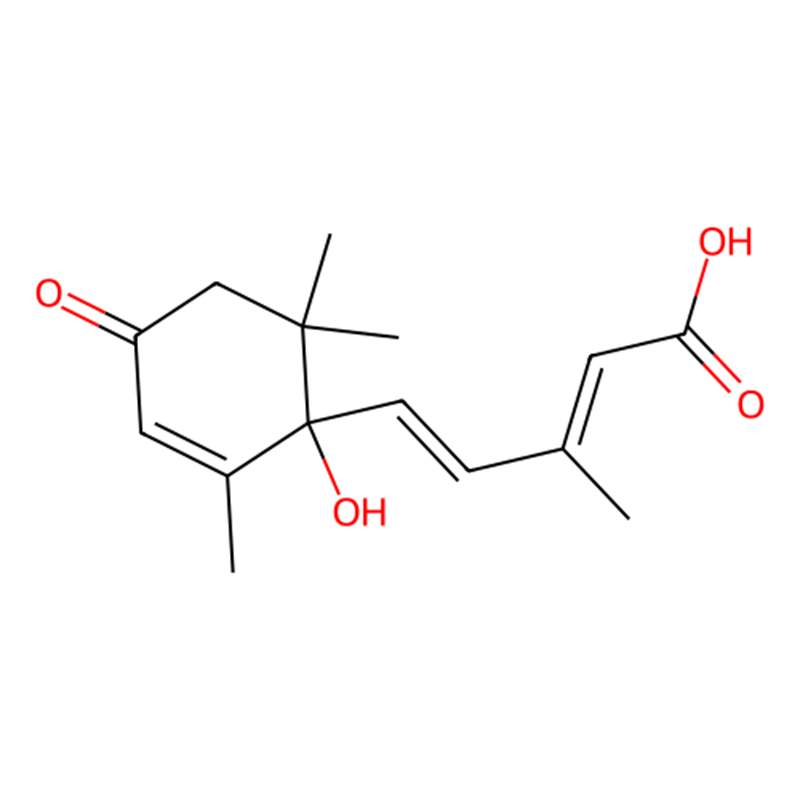
EPA Substance Registry System | 2,4-Pentadienoic acid, 5-[(1S)-1-hydroxy-2,6,6-trimethyl-4-oxo-2-cyclohexen-1-yl]-3-methyl-, (2Z,4E)- (21293-29-8) |
Safety Information
Safety Statements | 22-24/25 |
WGK Germany | 3 |
RTECS | RZ2475100 |
F | 8 |
HS Code | 29189900 |

Abscisic acid, a plant hormone, plays a key role in regulating various physiological processes during different stages of plant development. It facilitates leaf abscission, inhibits growth, and promotes dormancy. Additionally, it triggers stomatal closure, regulates seed embryo development, and boosts the plant's resistance to environmental stresses like drought, low temperatures, and salinity. It finds extensive applications in agriculture, ecological vegetation restoration, and other sectors.