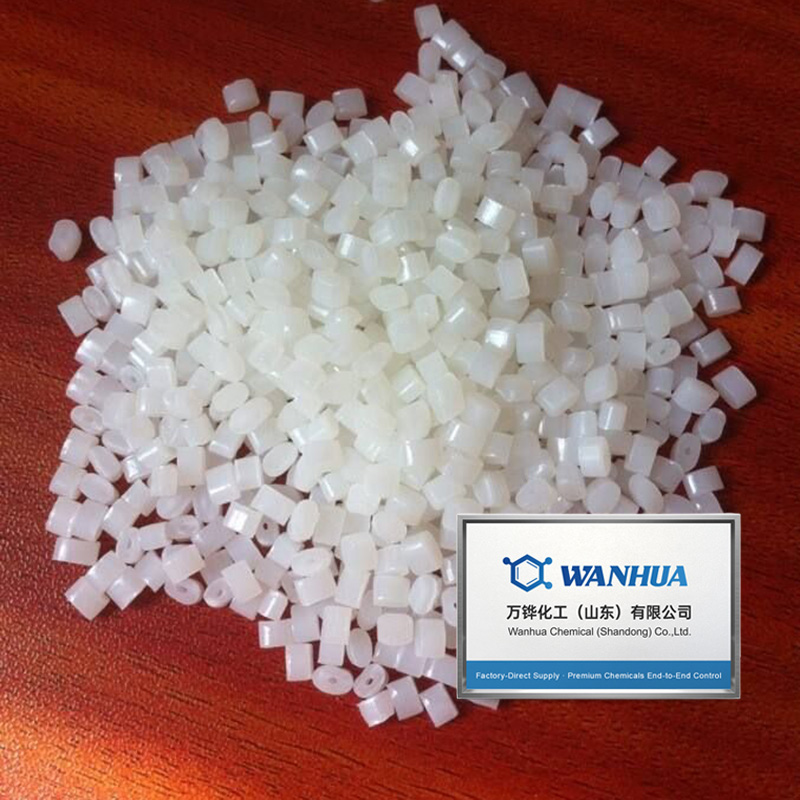
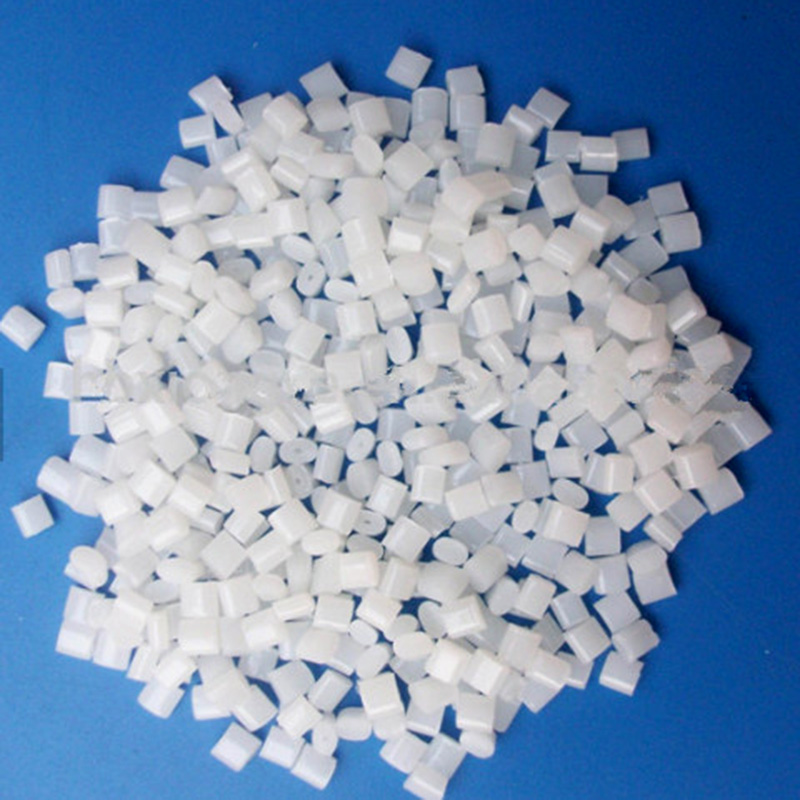
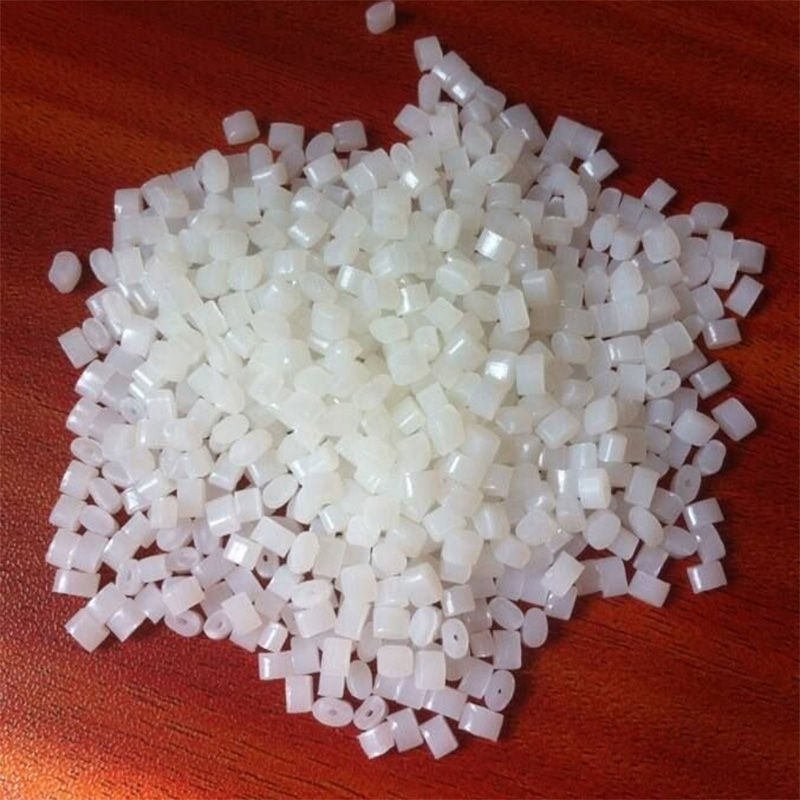
ABS Resins CAS# 9003-56-9
Two-Phase Structure: ABS features a continuous SAN phase combined with a dispersed polybutadiene rubber phase, providing a balanced material structure.
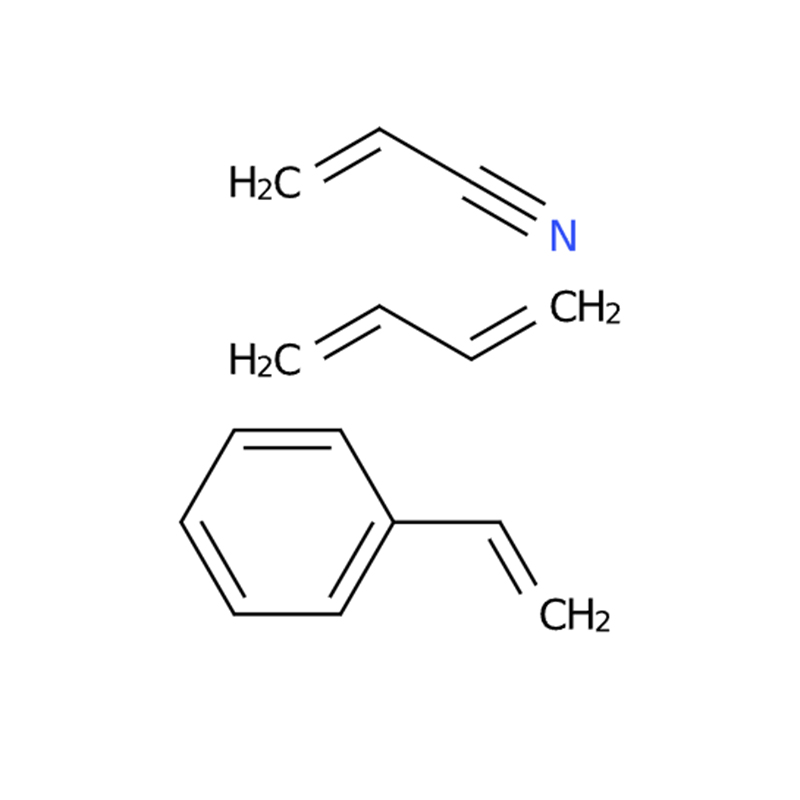
Three-Component Composition: The combination of acrylonitrile, butadiene, and styrene allows ABS to integrate the strengths of each component.
Thermoplastic Properties: As a thermoplastic resin, ABS can be easily molded and processed into various shapes and products.
Enhanced Mechanical Performance: The dispersed rubber phase improves impact resistance and toughness compared to standard resins.
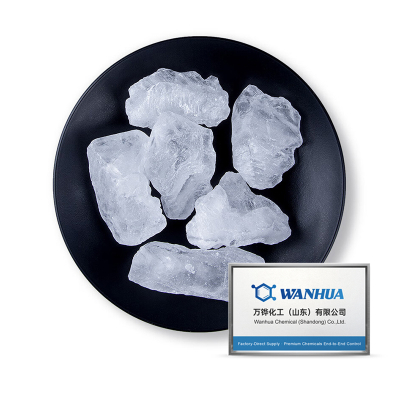
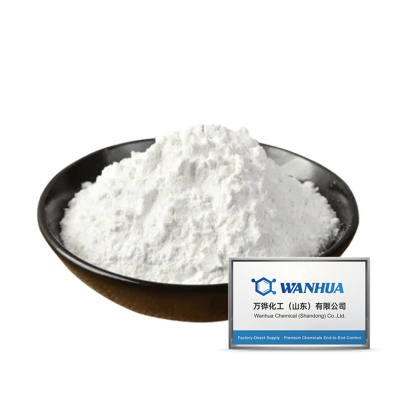
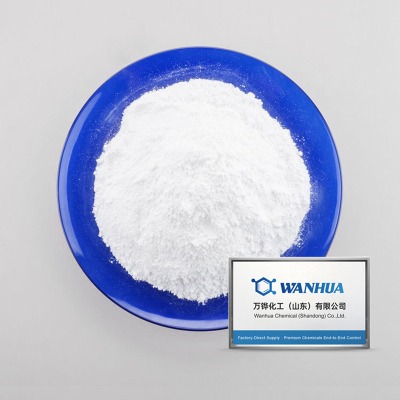
Poly(acrylonitrile-butadiene-styrene) copolymer (ABS) is a typical two-phase, three-component thermoplastic resin, consisting of a continuous poly(styrene-acrylonitrile) copolymer (SAN) phase and a dispersed polybutadiene rubber phase. It is a colorless monoclinic crystalline solid or a white powder. It is soluble in cold water, and its aqueous solution is acidic.

| English Name | ABS Resins |
| English Synonyms | abs;abscopolymer;absresin;absresins;acrylonitrile,polymerwith1,3-butadieneandstyrene;acrylonitrile-butadi ene-styrenecopolymers;3DXMAX(TM) CFR-ABS carbon fiber reinforced ABS 3D printing filament black, dia m. 1.75 mm;3DXMAX(TM) CFR-ABS carbon fiber reinforced ABS 3D printing filament black, diam. 2.85 mm |
| CAS Number | 9003-56-9 |
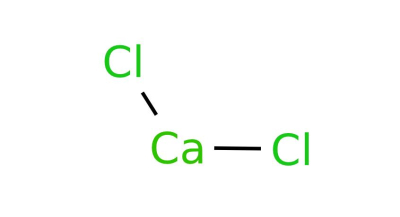
| Molecular Formula | C45H51N3X2 |
| Molecular Weight | 633.91 |
| EINECS Number | 618-371-8 |
| Melting point | 58.54 (±0.5)℃ |
| Density | 1.05 g/mL at 25℃ |
| Solubility | Soluble in acetone, MEK, and DMF |
| Form | Powder |
| Color | Transparent |
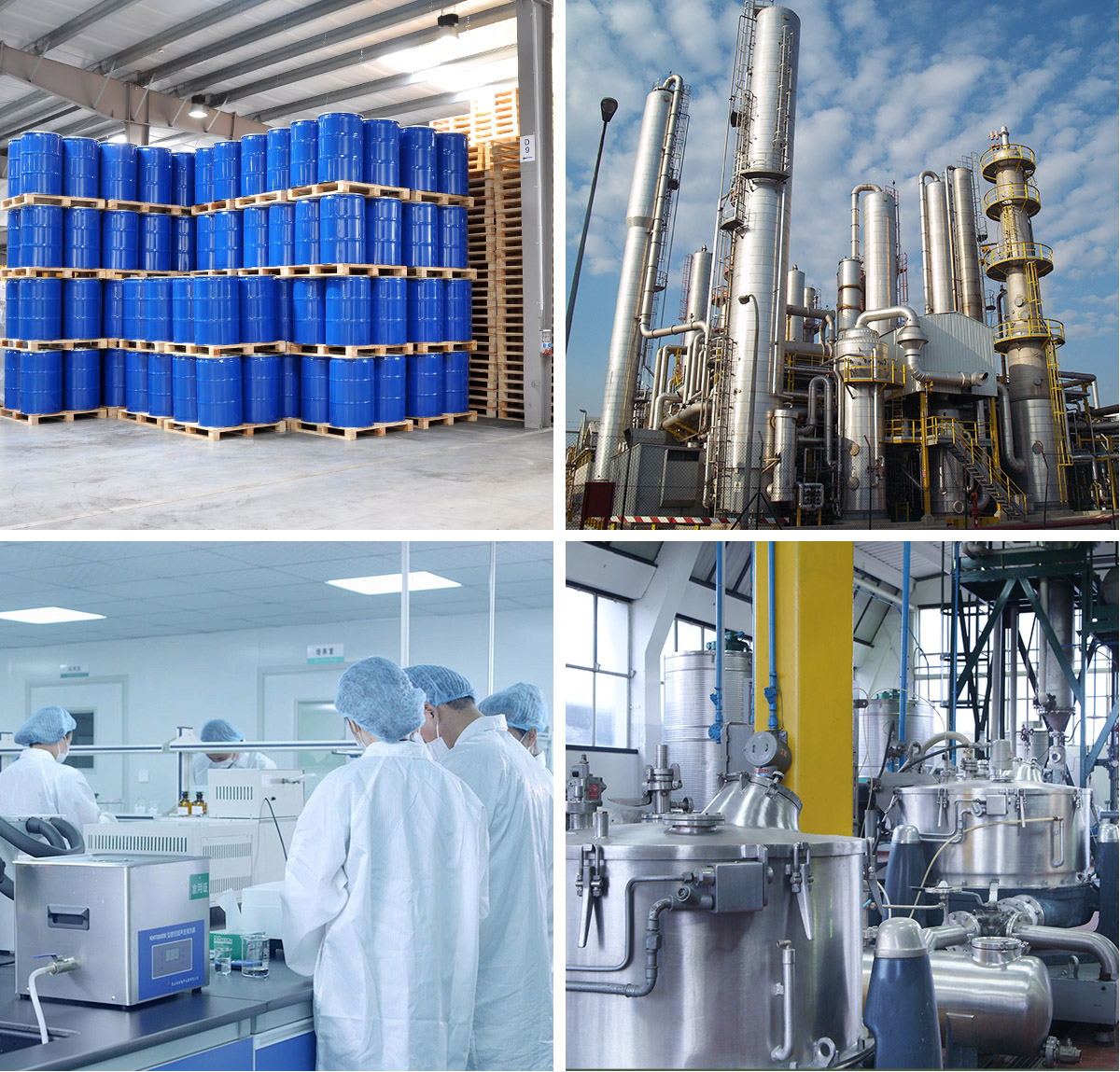
It is used in industries such as automotive, electronics, electrical appliances, machinery, textiles, and railways to manufacture various parts for instruments, electrical appliances, and machinery. It is also used as a material in the automotive industry, a building material, a wood substitute, and in the manufacture of safety helmets, suitcases, appliance shells, and foam plastics.