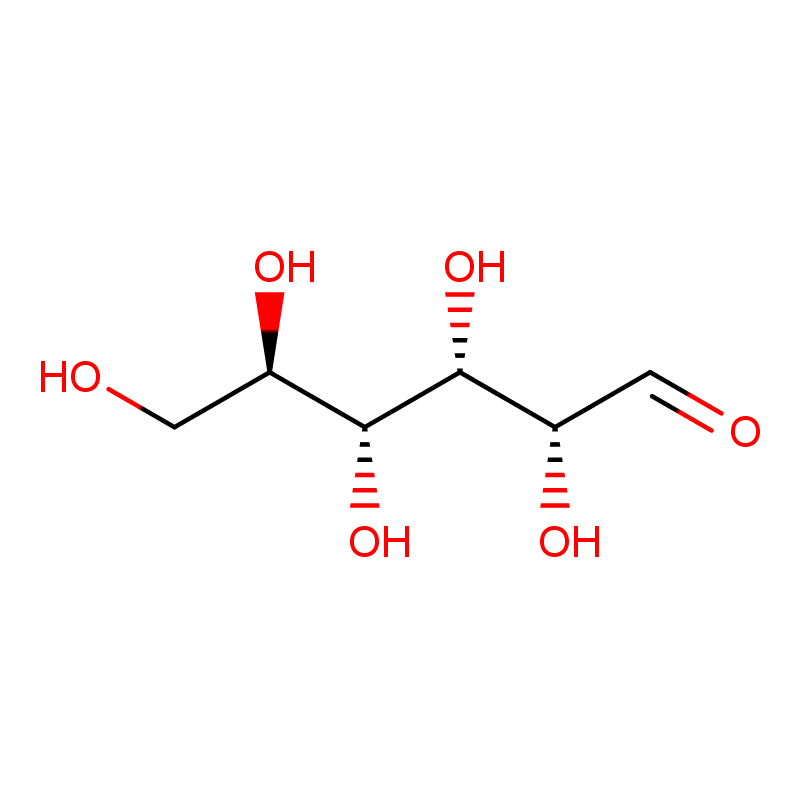
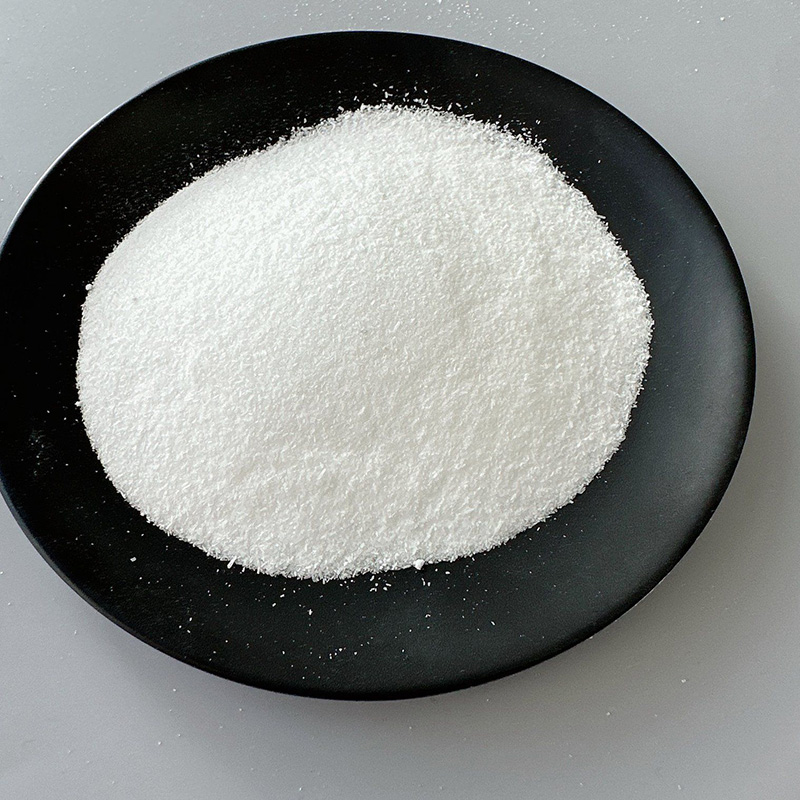
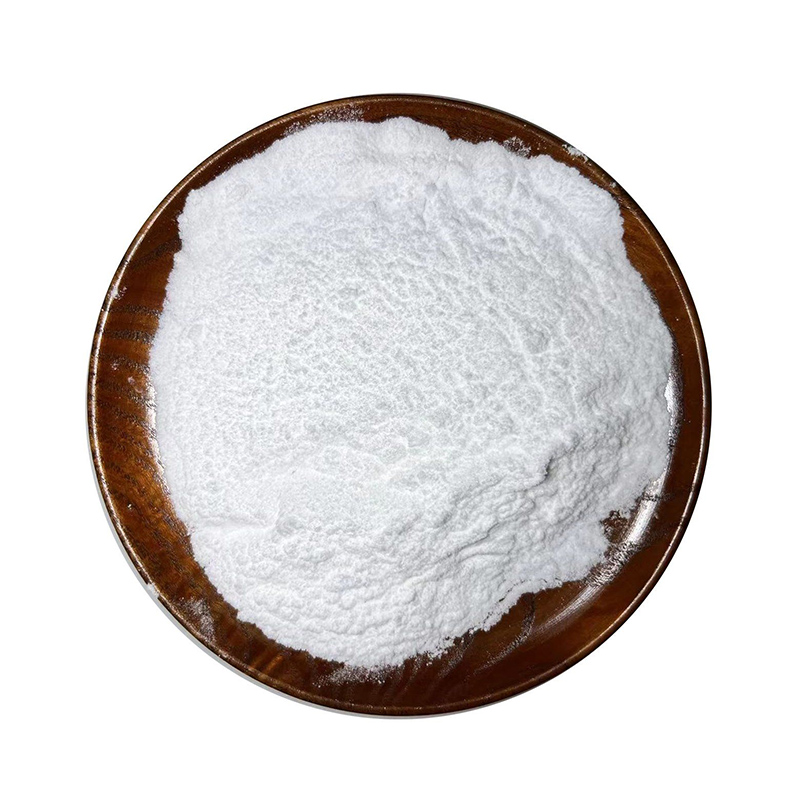
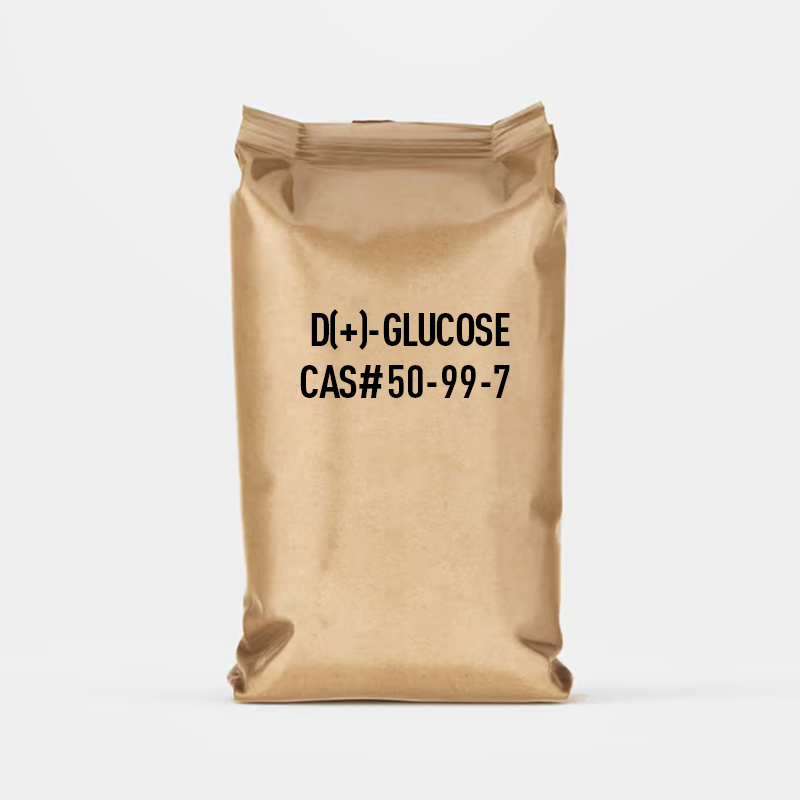
D(+)-Glucose CAS#50-99-7
Primary Energy Source -- Glucose serves as the main energy supplier for the body, providing 70–80% of the total energy required through complete oxidation, which releases 2870 kJ (686 kcal) per mole.
Essential for Metabolic Activities -- As the most important monosaccharide in living organisms, glucose supports vital physiological and metabolic processes, ensuring proper body function and energy balance.
Key Carbon Source for Biosynthesis -- Glucose acts as a major carbon source in the body, contributing to the synthesis of various biomolecules necessary for growth and maintenance.
Precursor for Lipids and Amino Acids -- It plays a crucial role as a biochemical precursor, supporting the synthesis of lipids and providing the structural backbone for the formation of essential amino acids.
Glucose is a six-carbon sugar containing an aldehyde group, with the molecular formula C6H12O6. It is the most essential monosaccharide in living organisms and serves primarily to supply the energy necessary for the body’s physiological functions. The complete oxidation of one mole of glucose releases 2870 kJ (686 kcal) of energy, which accounts for about 70%–80% of the body’s total energy needs. Besides being an energy source, glucose also provides the carbon framework required for biosynthesis and acts as a key precursor in the formation of lipids. Additionally, it contributes the structural backbone for synthesizing essential amino acids in the human body.
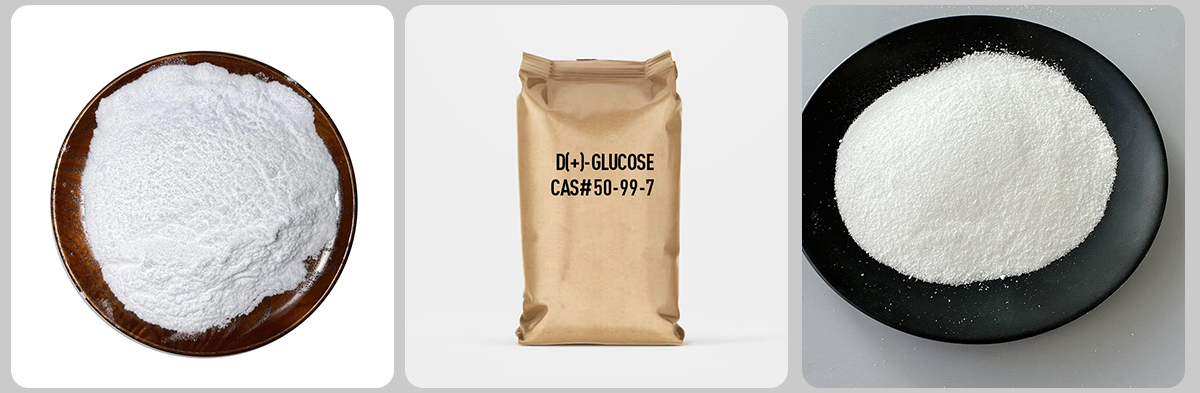
D(+)-Glucose Chemical Properties
Melting point | 150-152 °C(lit.) |
Alpha | 52.75 º (c=10, H2O, NH4OH 25 ºC) |
Boiling point | 232.96°C (rough estimate) |
Density | 1.5440 |
Refractive index | 53 ° (C=10, H2O) |
Storage temp | room temp |
Solubility | H2O: 1 M at 20 °C, clear, colorless |
Pka | pKa 12.43(H2O,t = 18,)(Approximate) |
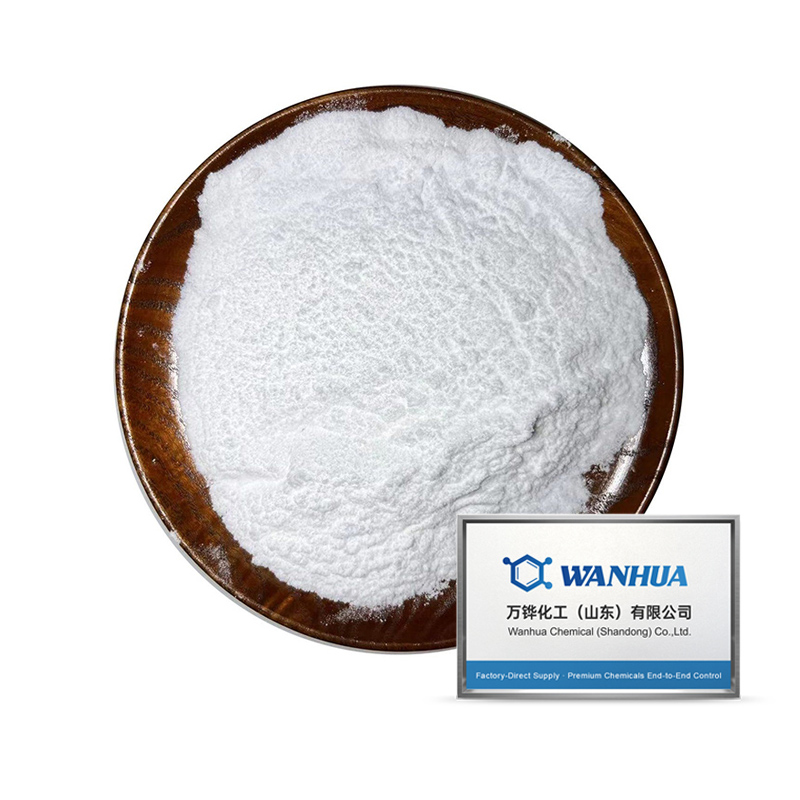
Form | Crystalline Powder |
Color | White |
PH | 5.0-7.0 (25℃, 1M in H2O) |
Odor | Odorless |
PH Range | 5.9 |
Optical activity | [α]25/D +52.5 to +53.0°(lit.) |
Water Solubility | Soluble |
λmax | λ: 260 nm Amax: 0.03 |
Merck | 14,4459 |
BRN | 1281608 |
Stability | Stable. Substances to be avoided include strong oxidizing agents. Combustible. |
InChIKey | WQZGKKKJIJFFOK-DVKNGEFBSA-N |
LogP | -2.490 (est) |
CAS DataBase Reference | 50-99-7(CAS DataBase Reference) |
NIST Chemistry Reference | Glucose(50-99-7) |
EPA Substance Registry System | Dextrose (50-99-7) |
Safety Information
Hazard Codes | Xi,Xn |
Risk Statements | 36/37/38-63-62-46-36/38-21 |
Safety Statements | 26-36/37-24/25-53-25 |
WGK Germany | 1 |
RTECS | LZ6600000 |
F | 3 |
Autoignition Temperature | 500 °C |
TSCA | Yes |
HS Code | 17023051 |
Hazardous Substances Data | 50-99-7(Hazardous Substances Data) |
Toxicity | LD50 orally in Rabbit: 25800 mg/kg |

Product Application of D(+)-Glucose CAS#50-99-7
D-Anhydrous glucose participates in a variety of metabolic pathways, including the enzymatic synthesis of cyclohexyl-α and β-D-glucosides. It plays an important role in type 2 diabetes research and in detecting the most common aldohexose found in living organisms. Since it serves as the brain’s primary energy source, its availability has a significant impact on cognitive and mental functions.