Sodium Hydroxide CAS#1310-73-2 Market Overview
Product Application Guidelines
Industrial Applications
Paper Industry: Caustic soda plays a vital role in paper and cellulose pulp production. It assists in swelling and breaking down cellulose fibers, enhancing the strength, whiteness, and overall quality of paper products.
Textile and Dyeing Industry: In textiles, it serves as a desizing, scouring, and mercerizing agent. It efficiently removes impurities and pigments from cotton, improving softness, brightness, and luster of fabrics.
Chemical Industry: Sodium hydroxide is a key raw material in producing chemicals such as borax, sodium cyanide, formic acid, oxalic acid, and phenol. It is also widely used as a fundamental reagent in basic chemical analyses.
Petroleum Industry: In petroleum refining, caustic soda is used to remove acidic impurities and sulfides. It also adjusts pH and viscosity in oilfield drilling muds.
Metallurgical Industry: In aluminum production, caustic soda dissolves bauxite. For zinc and copper, it is used for surface treatment to remove oxides and oil residues.

Daily Life Applications
Cleaning Products: Sodium hydroxide is a core ingredient in soaps and detergents, reacting with fats via saponification. In household cleaners like oven and drain cleaners, it effectively removes grease, scale, and stubborn residues.
Food Industry: Food-grade caustic soda is used as an acid neutralizer, peeling agent for citrus fruits and peaches, bottle and can cleaner, and as a decolorizing and deodorizing agent.
Other Applications
Environmental Protection: Caustic soda is applied in treating acidic wastewater, exhaust gases, and soil remediation. It neutralizes acids, reduces harmful substances, decomposes organic matter, and absorbs pollutants in flue gases.
Pharmaceutical Industry: Used in producing pharmaceutical intermediates and raw materials, it also functions as a solubilizer to improve drug solubility and bioavailability.

Latest Research Trends
Environmental Protection Research: Innovations include combining caustic soda with biotechnology, catalysts, and membrane technologies for more efficient water and exhaust gas treatment while minimizing environmental impact. Examples include microbial degradation with caustic soda in wastewater and using nanomaterials with photocatalysis for exhaust treatment.
New Energy Applications: Caustic soda is used as an electrolyte additive in lithium-ion batteries to enhance performance, reduce internal resistance, improve charge-discharge efficiency, and extend cycle life. It also contributes to the preparation of alkaline ion-exchange membranes in fuel cells, enhancing conductivity and chemical resistance.
Materials Research: Studies focus on improving cellulose dissolution at low temperatures by adding hydrogen-bond acceptors to caustic soda solutions, supporting the development of cellulose-based packaging films.
Safety and Protection
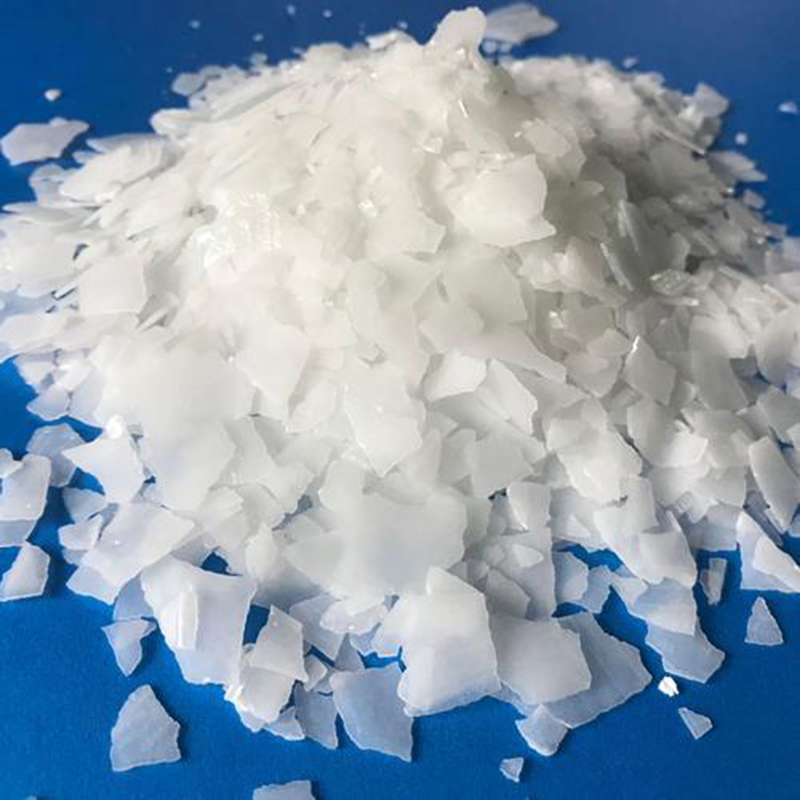
Caustic soda is highly corrosive. Contact with skin or mucous membranes can cause deep tissue damage; eye exposure can harm the cornea and deeper tissues. Protective gloves, goggles, and clothing are essential during handling and storage.
Storage and Transportation
Store caustic soda in a dry, well-ventilated area, away from heat or ignition sources. Keep it separate from acids and incompatible materials. Ensure packaging remains intact during transport to prevent leaks.