New Application of Poly-L-lactic Acid CAS#26811-96-1 as a Shape Memory Material
Background Technique
Biopolymers are important medical polymer materials featuring excellent biodegradability and bioabsorbability, and therefore have been widely applied in external fixation devices, tissue engineering scaffolds, surgical sutures, controlled drug delivery systems, and other medical fields. Polylactic acid is generally synthesized via the ring-opening polymerization of lactide. Based on optical configurations during ring-opening polymerization, lactide is classified into D-lactide, L-lactide, and DL-lactide. Accordingly, their polymerization products include poly-D-lactic acid, poly-L-lactic acid, and poly-DL-lactic acid. Literature shows that when D-lactide and L-lactide undergo ring-opening polymerization in a 1:1 molar ratio, poly-D,L-lactic acid emulsions can be obtained. It is also documented that poly-DL-lactic acid produced from DL-lactide exhibits shape-memory behavior. However, current publications do not report shape-memory properties for poly-L-lactic acid (PLA).
Summary of the Invention
The present invention identifies shape-memory characteristics in poly-L-lactic acid, thereby proposing its new application as a shape-memory material. Under a processing temperature of ℃ and a polymerization pressure of -10 MPa, poly-L-lactic acid can be formed into two initial shapes with memory capability. The resulting material is used in experimental medicine to demonstrate memory-enabled polymer properties. After deformation below 100 °C—and once reheated to approximately 100 °C—poly-L-lactic acid can fully recover its original configuration. Thus, PLA exhibits shape-memory response below 100 °C.
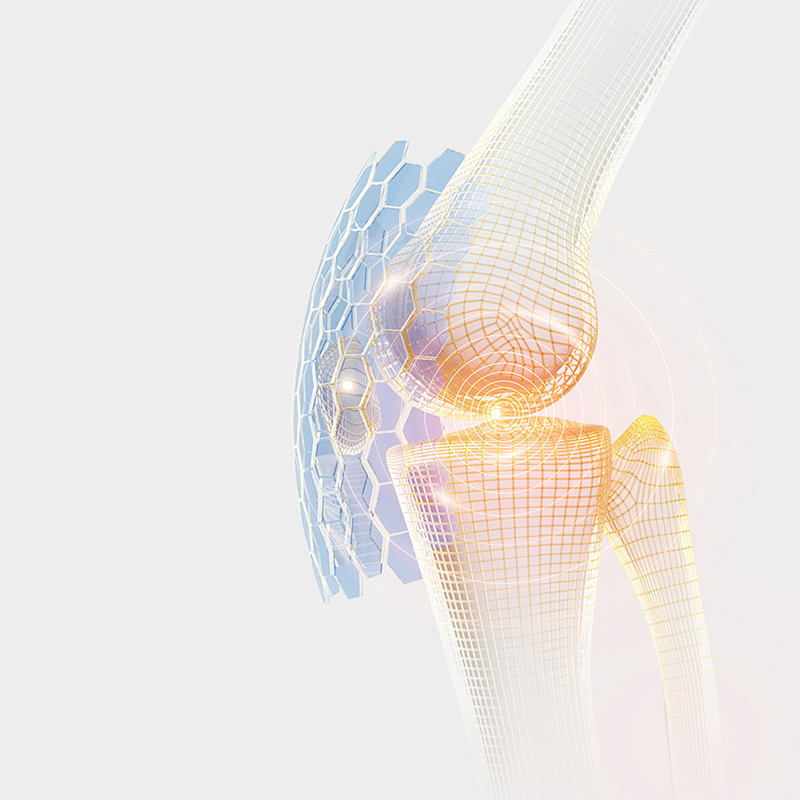
As a biodegradable shape-memory material, poly-L-lactic acid offers significant medical benefits. Because its stored shape can be restored in situ by heat activation, it enables painless resetting or repositioning in clinical scenarios. Further, PLA degrades into non-toxic metabolites within the human body, reducing risks from long-term residue and minimizing the need for secondary surgical procedures. Compared with traditional shape-memory alloys, PLA provides adjustable biocompatibility and performance, allowing customization for different clinical needs.
In addition, poly-L-lactic acid demonstrates excellent mechanical strength and slower degradation than poly-DL-lactic acid, making it a preferred material for fixation applications. This expands its use in internal fixation and other medical fields.
During actual use, the shaping and recovery process proceeds as follows:
When heated to the deformation temperature (below its glass-transition temperature), the polymer undergoes phase transformation, allowing deformation under external stress into a secondary temporary configuration. Under continued high temperature, it is cooled to vitrify, locking the temporary shape. Upon reheating to the recovery temperature (below 100 °C), the structure returns to the initially memorized configuration. Deformation modes include expansion, stretching, compression, bending, or combinations thereof.

Poly-L-lactic acid is generated through ring-opening polymerization or copolymerization with other lactone electrolytes. The copolymers formed may consist of L-lactide with other lactides, natural lactones, and small-molecule impurities. The polymerization rate of poly-DL-lactide is generally faster than that of poly-L-lactide, and polymerization behavior is tunable. The glass-transition temperature of polyglycolic segments is about 45 °C, and that of lactone segments can be as low as −60 °C. Copolymerization within broad ranges allows simultaneous tuning of shape-recovery temperature, mechanical properties, and dynamic behavior. Material blending further optimizes performance for advanced biomedical applications.
When HA (hydroxyapatite), the primary mineral component of natural bone, is incorporated into the poly-L-lactic acid memory polymer, the composite exhibits excellent bioactivity and osteoconductivity, forming direct bonding with bone tissue and demonstrating strong potential for bone-related applications.
PLA is produced from renewable biological sources, fermented and refined into lactide monomers, and subsequently polymerized at high temperature. As a biodegradable aliphatic polymer, PLA can fully decompose into CO₂ and water in approximately one year under microbial action, without environmental contamination. It retains mechanical properties comparable to commonly used synthetic plastics, offering good processing performance and low shrinkage. Therefore, PLA is widely applied in packaging, wearable accessories, electronic housings, fibers, 3D printing materials, and other fields.