Camphor Oil CAS#8008-51-3 : Varieties, Applications, and More
Camphor oil is one of the oils used for coloring glaze products. It is obtained from camphor resin and appears light yellow. It is volatile and has a strong camphor-like aroma. According to Ceramic Color Painting, camphor oil is applied to dilute and spread newly blended colors, helping the oil to disperse easily, allowing smoother brush strokes, and drying quickly after application. It is rarely used for pastel coloring, mainly reserved for expanding colors in freehand painting. At times, it is also used to soften dried brushes, clean hardened color residue from palettes, or remove dried lines from painted surfaces. Camphor oil must not be mixed with frankincense oil, as using frankincense oil that contains camphor oil for coloring can cause the painted lines to wash out.
Source of Camphor Oil
Camphor oil originates from Cinnamomum camphora, an evergreen tree that can reach heights of up to 50 meters. Its bark is green and smooth when young, gradually turning yellowish-brown as it ages, featuring vertical fissures.
Camphor oil is extracted from the roots, trunk, branches, and leaves of the camphor tree. The approximate oil content is 5–6% in the roots, about 3.5–26% in the wood, and around 3.7% in the branches and leaves. The middle trunk contains about 4.23%, with the lower trunk yielding the highest content, while young branches and leaves contain roughly 1%.
What Do the Different Shades Indicate?
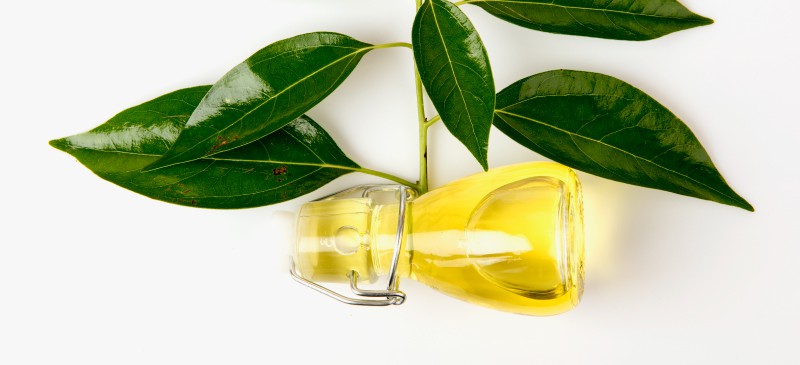
The anti-inflammatory properties of camphor oil may help maintain skin health. Camphor oil is classified into four grades based on color:
White:
This is the only grade suitable for therapeutic or restorative use. Despite its name, it appears clear or milky white. Camphor oil is not only the base material for extracting eucalyptin but also serves as an important natural solvent.
Brown and Yellow:
Both types are toxic because they contain high levels of the natural plant component safrole. Safrole extracted from these oils is an important raw ingredient for producing compounds such as piperonal and ethyl vanillin.
Blue:
This grade is also toxic. Blue camphor oil may be used to scent low-grade soaps and functions as an antibacterial and deodorizing agent.
Only clear or very pale camphor oil should be used for topical or therapeutic purposes.

What Is Camphor Oil Used For?
Camphor oil offers multiple functions. Due to its anti-inflammatory properties, it is commonly found in vapor rubs, balms, liniments, and ointments. Many people use it to help relieve irritation, itching, and pain. When included in various formulations, it can also reduce swelling and ease chest congestion.
Additionally, camphor oil is widely used in culinary applications