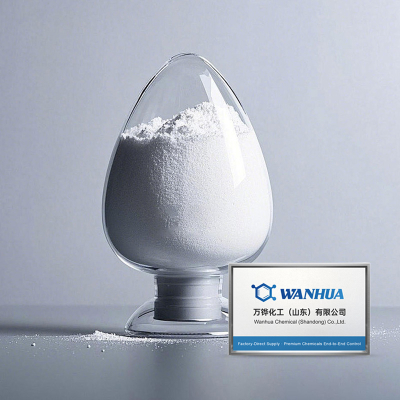
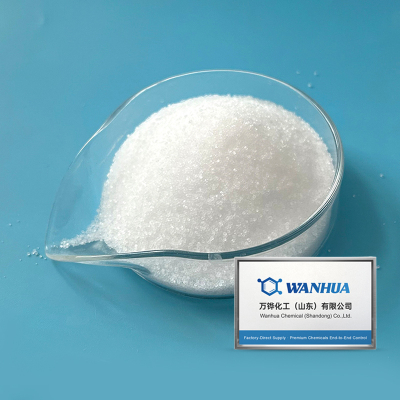
What does Sodium Lauryl Sulfate do in Toothpaste CAS#3088-31-1
The Secret Behind Toothpaste’s “Foam Wizard”
• Every morning, as you squeeze out toothpaste and brush your teeth, the thick foam provides a sense of cleanliness and satisfaction. One of the key contributors to this effect is sodium lauryl sulfate (SLS). This anionic surfactant has a unique chemical structure that includes a hydrophobic dodecyl chain and a hydrophilic sulfate ion. This combination of hydrophobic and hydrophilic properties gives SLS remarkable surface activity.
Sodium lauryl sulfate is a sulfate ester surfactant made from dodecanol, sulfuric acid, and neutralization. It is widely used in industrial applications such as detergents and cosmetics due to its low cost and established production process. In toothpaste, SLS serves as a multi-functional ingredient: it creates rich foam while also aiding in cleaning and dispersion. It plays an essential role in ensuring toothpaste's effectiveness.
How SLS Breaks Down Plaque and Food Particles
Dental plaque and food residues are the primary threats to oral health, and Sodium Lauryl Sulfate (SLS) is the key ingredient in toothpaste that battles them. When mixed with water, the hydrophobic tail of SLS quickly targets oily substances like plaque and food remnants, while the hydrophilic head faces the water molecules. As the toothbrush moves across the teeth, the SLS molecules form a film that traps the dirt, lifts it off the tooth surface, and disperses it into the water, eventually rinsing it away with the mouthwash.
♦ Cleaning Process: For example, with sucrose residues on the teeth, SLS reduces water’s surface tension, allowing water molecules to penetrate the gap between the residue and the tooth. Its emulsifying effect then breaks down the sucrose into smaller molecules, fully removing the residue.
♦ Additional Benefit: SLS also helps prevent bacteria from adhering to the tooth surface, reducing plaque buildup and lowering the risk of cavities and gum disease. Without the potent cleaning power of SLS, achieving effective oral cleaning with toothpaste would be challenging.
Dental plaque and food residues are the primary threats to oral health, and Sodium Lauryl Sulfate (SLS) plays a crucial role in toothpaste to combat them. When mixed with water, the hydrophobic tail of SLS swiftly penetrates into oily substances like plaque and food residues, while the hydrophilic head aligns with water molecules. As the toothbrush moves, the SLS molecules form a film around the dirt, lifting it from the tooth surface and dispersing it into the water, where it is then rinsed away.
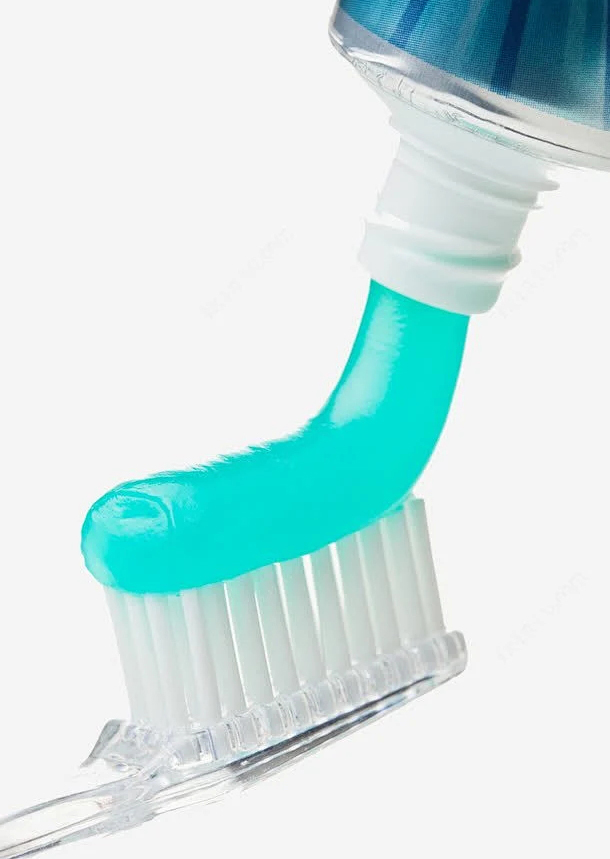
♦ Specific Cleaning Process: For example, with sucrose residue on the teeth, SLS reduces the surface tension of water, allowing water molecules to infiltrate between the residue and the tooth. Combined with its emulsifying properties, it breaks down the sucrose into smaller molecules, effectively removing the residue.
♦ Additional Benefits: SLS also prevents bacteria from adhering to the tooth surface, thereby reducing plaque formation and minimizing the risk of cavities and gum disease. Without the powerful cleaning action of SLS, achieving effective oral hygiene would be difficult for toothpaste.
Understanding the Foaming Mechanism of Sodium Lauryl Sulfate
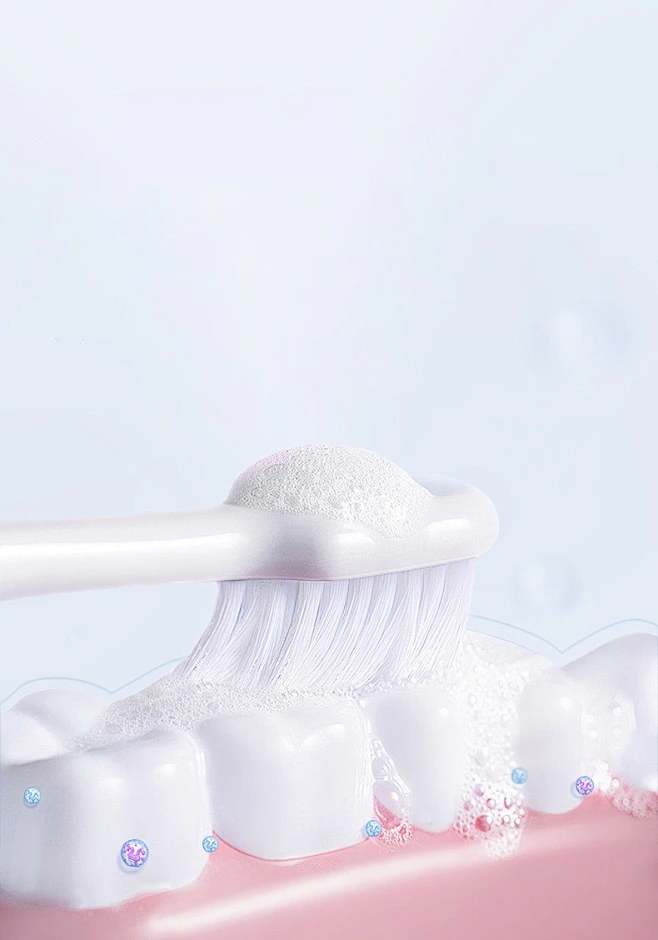
For many, rich foam is a key indicator of toothpaste’s cleaning power, and Sodium Lauryl Sulfate (SLS) is the "master" behind this magic. When toothpaste mixes with water, the SLS molecules quickly position themselves at the air-water interface, with the hydrophobic dodecyl tail facing the air and the hydrophilic sulfate ion facing the water. This arrangement forms a tightly packed monomolecular film. Through external forces like stirring and friction, air is drawn into the mixture, and the monomolecular film encapsulates the air, forming stable foam.
In laboratory settings, scientists can precisely control the amount, texture, and longevity of the foam by adjusting factors such as SLS concentration, pH levels, and additional ingredients:
♦ In an alkaline environment, SLS shows enhanced foaming properties.
♦ Adding a suitable amount of thickener can result in finer foam that is less likely to collapse.
When brushing, these foams spread evenly across the teeth and into the gaps, carrying the cleaning agents like SLS to every corner of the mouth for thorough cleaning.
Global Research and Industry Standards on Sodium Lauryl Sulfate Safety
While Sodium Lauryl Sulfate (SLS) is widely used in toothpaste, its safety has been a topic of ongoing debate. Critics argue that SLS may irritate the oral mucosa, cause ulcers, and even pose potential carcinogenic risks. However, extensive scientific research supports the safety of SLS. The U.S. Food and Drug Administration (FDA) classifies it as a "generally recognized as safe" (GRAS) substance, and the EU Cosmetics Regulation permits its use within specific concentration limits.
Studies from reputable institutions confirm that the levels of SLS typically found in toothpaste are well below safety thresholds, posing no significant health risks. To accommodate more sensitive individuals, the industry continues to refine its use:
♦ Limiting SLS concentration in toothpaste (usually not exceeding 2%)
♦ Combining it with gentler surfactants
Currently, the global toothpaste industry adheres to strict quality and safety standards, ensuring consumers can confidently use toothpaste products containing Sodium Lauryl Sulfate.